

Abhebbare Scharniere vs. feste Scharniere | Wie man das richtige Design wählt
Nicht jede Schaltschranktür benötigt die gleiche Scharnierstrategie. Bei der Konstruktion von Industriegehäusen ist die eigentliche Frage nicht, welches Scharnier auf dem Papier stärker aussieht, sondern ob die Anwendung mehr davon profitiert schnelle Entfernung der Tür oder von höhere Rückhaltekraft, Dichtungsstabilität und Feststellungskontrolle. Das ist der praktische Unterschied zwischen abnehmbare Scharniere und feste Scharniere.
Diese Seite ist als Entscheidungshilfe gedacht und nicht als umfassende Einführung in alle Schaltschrankbeschläge. Sie soll Ingenieuren, Gehäusedesignern und Beschaffungsteams helfen, zwischen abhebbaren und festen Scharnierkonstruktionen für Servicetüren, Inspektionstüren und Zugangsklappen für Gehäuse zu wählen. Für einen umfassenderen Produktüberblick sollten Sie mit unserem Leitfaden für Scharniere von Industriegehäusen.
Die falsche Wahl führt in der Regel zu einem von zwei Misserfolgen. Ein aushängbares Scharnier kann gewählt werden, wenn die Dichtungsstabilität, die Vibrationsfestigkeit oder die Sicherheit der Tür eine feste Konstruktion erfordern. Oder es wird ein festes Scharnier verwendet, wenn der regelmäßige Ausbau der Tür die Wartungszeit drastisch verkürzen würde. Dieser Leitfaden dient dazu, beide Fehler zu vermeiden.
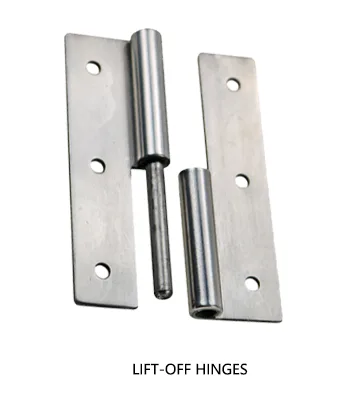
Was ist der wirkliche Unterschied zwischen abhebbaren und festen Gehäusescharnieren?
A aushängbares Scharnier ermöglicht es, die Gehäusetür vertikal zu entfernen, sobald sie in die richtige Position geöffnet ist. Ihr Hauptvorteil ist die Wartungsfreundlichkeit. Techniker können die Tür abnehmen, ohne die Scharnierflügel vollständig zu demontieren, was den Wartungszugang in engen oder wartungsintensiven Anlagen verbessert. Die gesamte Produktfamilie finden Sie in unserer abnehmbare Scharniere Leitfaden.
A festes Scharnier hält die Tür dauerhaft fest, es sei denn, die Scharnierbeschläge oder Befestigungselemente werden absichtlich entfernt. Sie ist in der Regel die bessere Wahl, wenn ein stärkerer Halt, eine stabilere Kompression der Dichtung, eine schwerere Türunterstützung oder eine bessere Widerstandsfähigkeit gegen Stöße und Vibrationen wichtiger sind als eine schnelle Entfernung.
Der eigentliche Unterschied ist also ganz einfach:
- Abhebbare Scharniere Vorrang für die Entfernbarkeit und die Effizienz des Dienstes.
- Feste Scharniere Vorrangig geht es dabei um die Beibehaltung der Stabilität, eine stärkere Kontrolle des Verschlusses und eine bessere Widerstandsfähigkeit gegenüber anspruchsvollen Betriebsbedingungen.
Schnellvergleichsmatrix
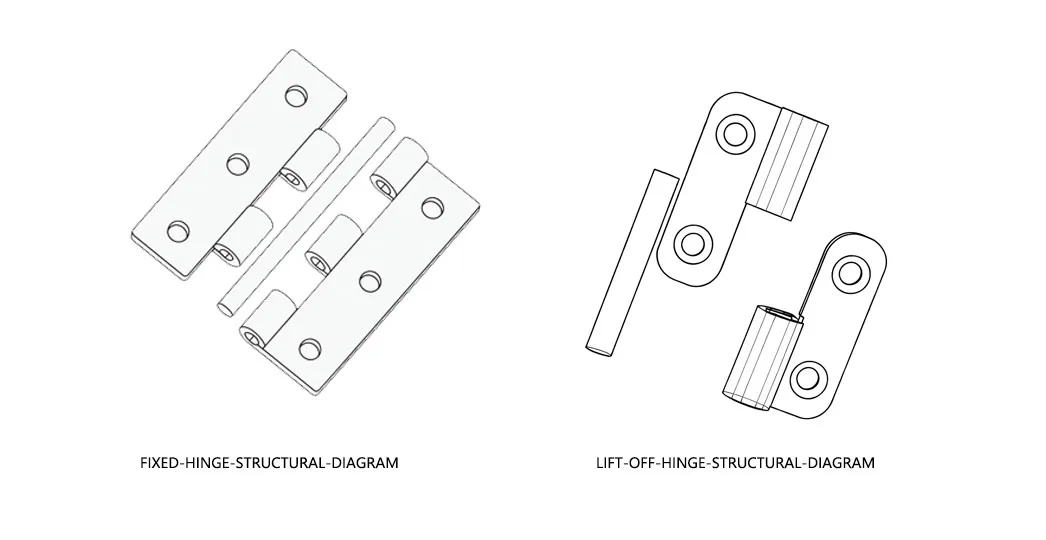
| Entscheidungsfaktor | Abhebbares Scharnier | Festes Scharnier | Bessere Wahl |
|---|---|---|---|
| Häufiges Entfernen der Tür | Ausgezeichnet | Schlecht | Lift-Off |
| Servicezugang in engen Gängen | Ausgezeichnet | Begrenzt | Lift-Off |
| Schwere Schranktüren | Begrenzt bis mäßig | Besser für schwerere Türen | Festgelegt |
| Stabile Kompression der Dichtung | Mäßig aufgrund der Räumung | Bessere beibehaltene Ausrichtung | Festgelegt |
| Vibrationsfestigkeit | Höheres Bewegungsrisiko | Besser erhaltene Verbindung | Festgelegt |
| Manipulationssicherheit | Nach dem Öffnen senken | Höher | Festgelegt |
| Zeit für Wartungsarbeiten | Unter | Höher | Lift-Off |
Wenn abhebbare Scharniere die bessere Wahl sind
Abhebbare Scharniere sind die bessere Wahl, wenn die Schranktür bei der Installation, Wartung, Aufrüstung oder Reinigung regelmäßig entfernt wird. Der Wert liegt nicht nur in der Bequemlichkeit. Es geht um geringere Ausfallzeiten, leichteren Zugang für Techniker und bessere Arbeitsabläufe in engen Räumen.
- Die Techniker müssen die Tür bei Routinewartungen schnell ausbauen.
- Das Gehäuse ist in einem schmalen Gang installiert, wo eine offene Tür den Zugang versperrt.
- Die Entfernung der Tür durch eine Person ist wünschenswert.
- Die Belastung der Türen ist leicht bis mäßig und erfordert keine maximale Steifigkeit.
Typische Beispiele sind Servicegehäuse, nachrüstbare Schränke, Gehäuse für Wartungszwecke und Geräteabdeckungen, bei denen der interne Zugang wichtiger ist als die maximale strukturelle Stabilität.
Service-Tür-Szenario
A Servicetür wird häufig bei Verdrahtungsänderungen, Inbetriebnahme, Aufrüstungen oder wiederkehrenden Wartungsarbeiten entfernt. In diesen Fällen kann ein abhebbares Scharnier viel Arbeitszeit einsparen, da die Tür vollständig abgenommen werden kann, anstatt in einer offenen Position gehalten zu werden, während die Techniker an ihr arbeiten.
Wenn Ihr Entwurf speziell von einer Strategie mit abnehmbaren Stiften und nicht von einer vollständigen Abhebegeometrie abhängt, vergleichen Sie ihn mit unserem industriell abnehmbare Stiftscharniere Führung bevor die Wahl endgültig getroffen wird.
Wenn feste Scharniere die bessere Wahl sind
Feste Scharniere sind die bessere Wahl, wenn das Gehäuse eine höhere Positionsstabilität, eine stärkere Dichtungskompression, eine höhere Sicherheit oder ein besseres Verhalten bei Vibrationen und schwereren Lasten aufweisen muss. Sie sind weniger bequem zu entfernen, aber dieser Kompromiss ist bei anspruchsvollen Anwendungen oft gerechtfertigt.
- Die Schranktür ist schwer oder trägt zusätzlich montierte Komponenten.
- Die Anwendung hängt von einem zuverlässigeren Dichtungsdruck ab.
- Das Gehäuse ist Vibrationen, Transportstößen oder wiederholten mechanischen Erschütterungen ausgesetzt.
- Die Manipulationssicherheit ist wichtiger als die Wartungsgeschwindigkeit.
Typische Beispiele sind Schaltschränke für den Außenbereich, Gehäuse für industrielle Steuerungen, Generatorgehäuse und Türen für sicherheitsrelevante Geräte, bei denen die Barrierefunktion wichtiger ist als die Abnehmbarkeit.
Szenario der Inspektionstür
Eine Inspektionstür wird häufig geöffnet, um Instrumente oder Komponenten zu überprüfen, aber bei den meisten Besuchen nicht vollständig entfernt. In diesem Fall sind in der Regel ein wiederholbares Schließen, eine geringe Positionsabweichung und ein stabiles Dichtungslinienverhalten erforderlich. Dies spricht in der Regel für ein festes Scharnier gegenüber einem Lift-Off-Design.
Was passiert, wenn Sie den falschen Typ wählen?
Lift-Off dort einsetzen, wo eine Fixierung erforderlich ist
- Die Tür kann mehr Positionsspiel aufweisen, als das Dichtungssystem zulässt.
- Vibrationen können den Verschleiß oder die Bewegung an der Scharnierschnittstelle verschlimmern.
- Schwere Türen können zu Ausrichtungsabweichungen führen oder bei unsachgemäßer Handhabung das Risiko des Ablösens erhöhen.
- Die Manipulationssicherheit kann schwächer sein, wenn die Tür geöffnet wurde.
Wenn Ihr Hauptanliegen ein langfristiges Abdriften der Türposition, ein Durchhängen oder der Verlust einer stabilen Schließung ist, sollten Sie die Ausrichtung der Scharniere und das Durchhängen der Tür während der Konstruktions- und Wartungsbewertung überprüfen.
Fixieren, wo Lift-Off besser wäre
- Das Entfernen der Tür wird langsamer und erfordert möglicherweise zwei Techniker.
- Bei beengten Platzverhältnissen steigt die Wartungszeit.
- Techniker können um die offene Tür herum arbeiten, anstatt sie zu entfernen, was die Effizienz der Wartung verringert.
- Die Gesamtkosten für die Wartung steigen über den Lebenszyklus des Gehäuses.
Deshalb sollte die Wahl des Scharniers nach folgenden Kriterien beurteilt werden tatsächliches Dienstleistungsverhaltenund nicht nach den reinen Hardwarekosten.
Entscheidungsregeln für Türgewicht, Wartung und Umwelt
Entscheidung nach Türgewicht
- Unter etwa 20 kg: Das Abheben ist oft sehr praktisch, wenn der Zugang zu den Diensten wichtig ist.
- 20kg bis 50kg: Dies ist eine Grauzone. Hochbelastbare Lift-Off-Konstruktionen können funktionieren, aber feste Scharniere sind in der Regel sicherer, wenn es um Dichtigkeit oder strukturelle Stabilität geht.
- Oberhalb von etwa 50 kg: Feste Scharniere oder kontinuierliche Scharnierstrategien sind in der Regel die sicherere Basis.
Entscheidung nach Wartungshäufigkeit
- Häufiger Dienst oder wiederkehrender interner Zugriff: Abheben gewinnt oft durch Arbeitseffizienz.
- Wartung mit geringer Häufigkeit: fix gewinnt oft durch Stabilität und Einfachheit.
Entscheidung durch Umwelt
- Starke Vibrationen oder Transportstöße: fest ist in der Regel die sicherere Wahl.
- Starke Korrosion oder hohe Beanspruchung im Freien: Die Wahl des Materials ist von entscheidender Bedeutung, und eine feste Konstruktion ist oft die konservativere Wahl.
- Häufiges Abwaschen oder abnehmbarer Zugang zur Reinigung: Lift-Off kann attraktiv werden, wenn eine schnelle Türentfernung den Wartungsablauf verbessert.
Wie Installation und Ausrichtung das Ergebnis verändern
Selbst die richtige Wahl der Scharniere kann versagen, wenn die Einbautoleranzen schlecht sind. Abhebbare Systeme benötigen genügend vertikalen Spielraum für den Ausbau. Feste Scharniere benötigen eine genaue Montagegeometrie, um ein reibungsloses Schwingen und einen gleichmäßigen Dichtungskontakt zu gewährleisten. In beiden Fällen beeinflussen der Scharnierabstand, die Ebenheit des Rahmens und die Türposition die langfristige Leistung.
Die Ausrichtung ist wichtig, denn die Leistung eines Gehäuses hängt nicht nur vom Öffnen und Schließen ab. Es geht auch darum, ob die Tür jedes Mal in dieselbe Dichtungsposition zurückkehrt.
Logik der Endauswahl
- Muss die Tür regelmäßig zur Wartung ausgebaut werden?
Ja → Start mit Abheben. - Benötigt das Gehäuse eine stärkere Abdichtung, eine höhere Lastaufnahme oder eine höhere Sicherheit?
Ja → Bewegung in Richtung fest. - Ist die Anwendung starken Vibrationen oder einem höheren Gewicht der montierten Tür ausgesetzt?
Ja → Fixiert ist in der Regel sicherer. - Sind der Zugang zu Technikern und die Reduzierung von Ausfallzeiten ein wichtiger Kostenfaktor während des Lebenszyklus?
Ja → Lift-off kann die besseren TCO bieten.
FAQ
F1: Wann sollte ich ein abhebbares Scharnier für eine Schranktür wählen?
A1: Entscheiden Sie sich für ein aushängbares Scharnier, wenn die Tür regelmäßig zu Wartungs-, Aufrüstungs- und Reinigungszwecken oder für den Zugang zum Innenraum abgenommen werden muss, insbesondere dann, wenn es auf eine schnelle Wartung ankommt.
F2: Wann ist ein festes Scharnier besser als ein abhebbares Scharnier?
A2: Ein feststehendes Scharnier ist in der Regel besser geeignet für schwerere Türen, stabilere Dichtungen, höhere Vibrationsfestigkeit und Anwendungen, bei denen die Aufrechterhaltung der strukturellen Sicherheit wichtiger ist als eine schnelle Entfernung.
F3: Sind abnehmbare Stiftscharniere dasselbe wie abhebbare Scharniere?
A3: Nicht immer. Beide verbessern die Entfernbarkeit, aber sie sind nicht identisch. Einige Projekte benötigen nur eine Strategie für abnehmbare Stifte, während andere den vollen Komfort des Abhebens benötigen.
F4: Sind abhebbare Scharniere für schwere Schranktüren geeignet?
A4: Manchmal, aber nur innerhalb geprüfter Belastungsgrenzen. Bei schwereren Türen sind feste Scharniere in der Regel der sicherere Standard, es sei denn, eine hochbelastbare Abhebekonstruktion wurde speziell validiert.
F5: Können feste Scharniere die Abdichtung des Gehäuses verbessern?
A5: Ja. Feste Scharniere bieten in der Regel ein geringeres Positionsspiel und eine gleichmäßigere Ausrichtung, was zu einer stabileren Kompression der Dichtung beiträgt.
Schlussfolgerung
Es gibt kein universell bestes Scharnier für Industriegehäuse. Abhebbare Scharniere sind in der Regel die bessere Wahl, wenn der Wartungszugang, die schnelle Entfernung der Tür und die Effizienz der Wartung am wichtigsten sind. Feste Scharniere sind in der Regel die bessere Wahl, wenn strukturelle Stabilität, Dichtungsbeständigkeit, schwerere Lasten und Manipulationssicherheit am wichtigsten sind.
Die richtige Entscheidung ergibt sich aus der Frage, welche Aufgabe die Tür im Betrieb tatsächlich erfüllen muss. Wenn die Schaltschranktür hauptsächlich eine Komponente für den Servicezugang ist, gewinnt oft die abhebbare Variante. Handelt es sich hauptsächlich um eine stabile Schutzbarriere, ist eine feste Tür meist die bessere Wahl.




 Deutsch
  English
  한국어
한국어  Русский
  Español
  Italiano
  Français
  Português