

Bisagras de torsión de una y dos vías | Cómo elegir el tipo adecuado
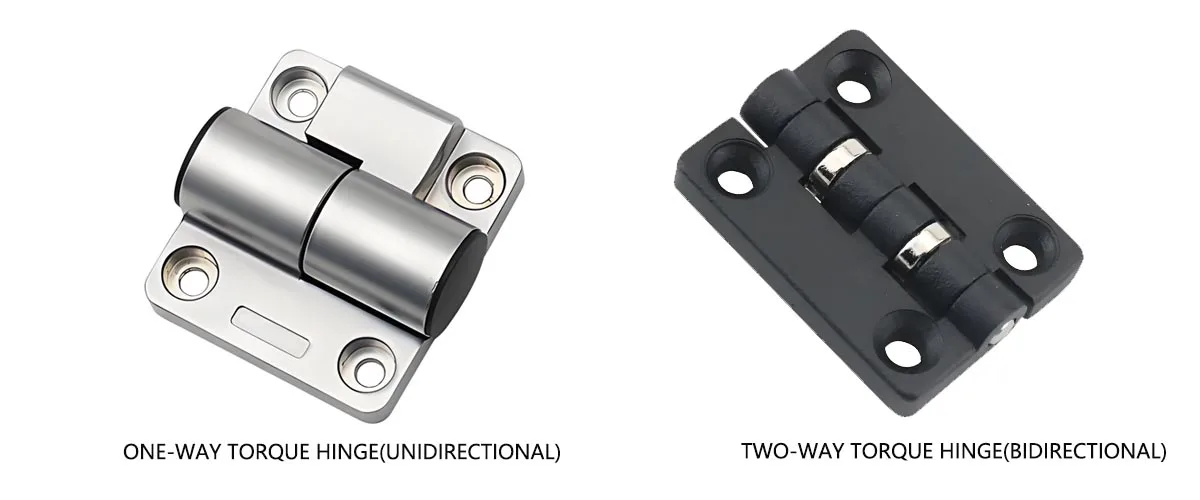
Elegir entre un bisagra de torsión unidireccional y un bisagra de torsión bidireccional no es un detalle menor. Afecta directamente a si un panel se cierra con demasiada libertad, a si una pantalla puede mantenerse en ángulos intermedios, a si los usuarios experimentan un movimiento suave y a si el diseño acaba siendo excesivo o insuficiente.
Esta página es una guía para la toma de decisiones, no una introducción general. Su objetivo es sencillo: ayudar a ingenieros, diseñadores y compradores a determinar qué tipo de bisagra es el adecuado para cada aplicación y, a continuación, dirigir la investigación más detallada sobre productos y tamaños a las páginas de seguimiento adecuadas. Para una familia de productos más amplia, empiece por nuestra página bisagras de torsión visión de conjunto.
En la práctica, la elección equivocada suele provocar uno de estos dos fallos. Puede utilizarse una bisagra unidireccional cuando se requiere un posicionamiento de parada libre real, lo que provoca desviaciones, caídas repentinas del panel o un control deficiente. O se puede especificar una bisagra de dos direcciones cuando basta con un movimiento unidireccional, lo que añade coste, fuerza de accionamiento y complejidad innecesaria. Esta guía está pensada para evitar ambos errores.
¿Cuál es la diferencia entre las bisagras de torsión unidireccionales y bidireccionales?
A bisagra de torsión unidireccional genera una resistencia significativa principalmente en una dirección de movimiento. En la dirección opuesta, la resistencia es mínima o intencionadamente menor. Esto lo hace útil cuando se necesita controlar un movimiento, pero el movimiento de retorno puede ser más sencillo o estar más asistido por la gravedad. Si necesita una descripción técnica más detallada, consulte nuestro diseño y aplicaciones de las bisagras de torsión unidireccionales guía.
A bisagra de torsión bidireccional proporciona una resistencia controlada en ambas direcciones de apertura y cierre. Es la opción más adecuada cuando el panel debe sujetarse en múltiples ángulos, cuando importa el comportamiento de parada libre o cuando la seguridad de cara al usuario y la calidad del movimiento son prioritarias.
En otras palabras, la verdadera cuestión no es cuál es "mejor" en general. La verdadera cuestión es si su aplicación necesita control unidireccional o control posicional bidireccional.
Matriz de comparación rápida
| Factor de decisión | Bisagra de torsión unidireccional | Bisagra de torsión bidireccional |
|---|---|---|
| Dirección de la resistencia | Principalmente una dirección | Ambos sentidos de apertura y cierre |
| Puede sujetarse en ángulos intermedios | Suelen ser limitados o no ideales | Sí, normalmente mejor para el control de parada libre |
| Lo mejor para | Cubiertas abatibles sencillas, movimiento de retorno asistido por gravedad, diseños económicos | Pantallas, expositores, tapas y paneles que requieren un posicionamiento multiángulo controlado |
| Sensación de funcionamiento | Más sencillo, más ligero en una dirección | Más control y consistencia en todo el movimiento |
| Coste y complejidad | Baja | Más alto |
| Adecuación de la seguridad | Inferior cuando el comportamiento anti-caída o de mantenimiento de apertura es importante | Más alto donde el control del movimiento y el comportamiento anticaída importan |
La regla de decisión en una frase
Si su panel sólo necesita un movimiento controlado en una dirección y puede volver más libremente en la otra, una bisagra unidireccional puede ser suficiente. Si su panel debe mantener la posición, moverse de forma predecible en ambas direcciones o evitar el riesgo de hundimiento y caídauna bisagra de dos direcciones suele ser la mejor opción.
Cuándo elegir una bisagra de torsión unidireccional
- El panel sólo necesita una resistencia controlada durante una parte del movimiento.
- El cierre puede ser asistido por la gravedad o por la geometría de la aplicación.
- El usuario no necesita detenerse y sujetar el panel en muchos ángulos diferentes.
- La compacidad, la sencillez y el menor coste son las principales prioridades.
Algunos ejemplos típicos son tapas superiores sencillas, cubiertas abatibles, paneles de acceso a la luz y productos en los que el principal requisito es una apertura más suave que un control de retención bidireccional total. Las bisagras unidireccionales también son más fáciles de justificar en proyectos sensibles a los costes en los que no es necesario un comportamiento de retención libre total.
Son no la respuesta adecuada cuando el panel debe permanecer exactamente donde se coloca, o cuando los usuarios esperan un posicionamiento multiángulo con una resistencia constante.
Cuándo elegir una bisagra de torsión bidireccional
- El panel debe mantenerse en múltiples ángulos durante su uso normal.
- Se necesita un movimiento controlado tanto en la dirección de apertura como en la de cierre.
- La carga es frágil, está orientada al usuario o es sensible desde el punto de vista de la seguridad.
- El riesgo de caída, el pandeo o el movimiento de retorno repentino crearían problemas de usabilidad o seguridad.
Algunos ejemplos típicos son las pantallas médicas, las pantallas de control industrial, las cubiertas de equipos quirúrgicos o de diagnóstico, las pantallas de vehículos y otros paneles adaptados al usuario en los que el movimiento suave y el posicionamiento estable forman parte de la experiencia del producto.
En estos casos, el coste adicional de una bisagra bidireccional suele estar justificado por un mejor control posicional, un funcionamiento más seguro y una mejor calidad percibida.
¿Qué ocurre si elige el tipo equivocado?
Utilizar una vía cuando se requieren dos vías
- Es posible que el panel no se sostenga en ángulos intermedios.
- Los usuarios pueden experimentar deriva, caída o poca confianza en el movimiento.
- Las pantallas o cubiertas frágiles pueden golpearse o moverse con demasiada libertad.
- Con el tiempo, la aplicación puede presentar problemas de hundimiento o de fuerza de sujeción.
Si la deriva a largo plazo, la pérdida de rigidez o el hundimiento de los paneles ya se están convirtiendo en un problema, revise por qué las bisagras de torsión pierden fuerza y cómo evitarlo.
Usar dos vías cuando una es suficiente
- Puede añadir costes innecesarios a la lista de materiales.
- El panel puede parecer más pesado o más resistente de lo que los usuarios esperan.
- Puede crear una complejidad innecesaria de empaquetado y puesta a punto.
- El producto está sobredimensionado para su uso real.
Por eso, la mejor decisión no es la bisagra más avanzada. Es la bisagra que se ajusta al comportamiento de movimiento requerido sin sobredimensionar el sistema.
Árbol de decisión de la aplicación
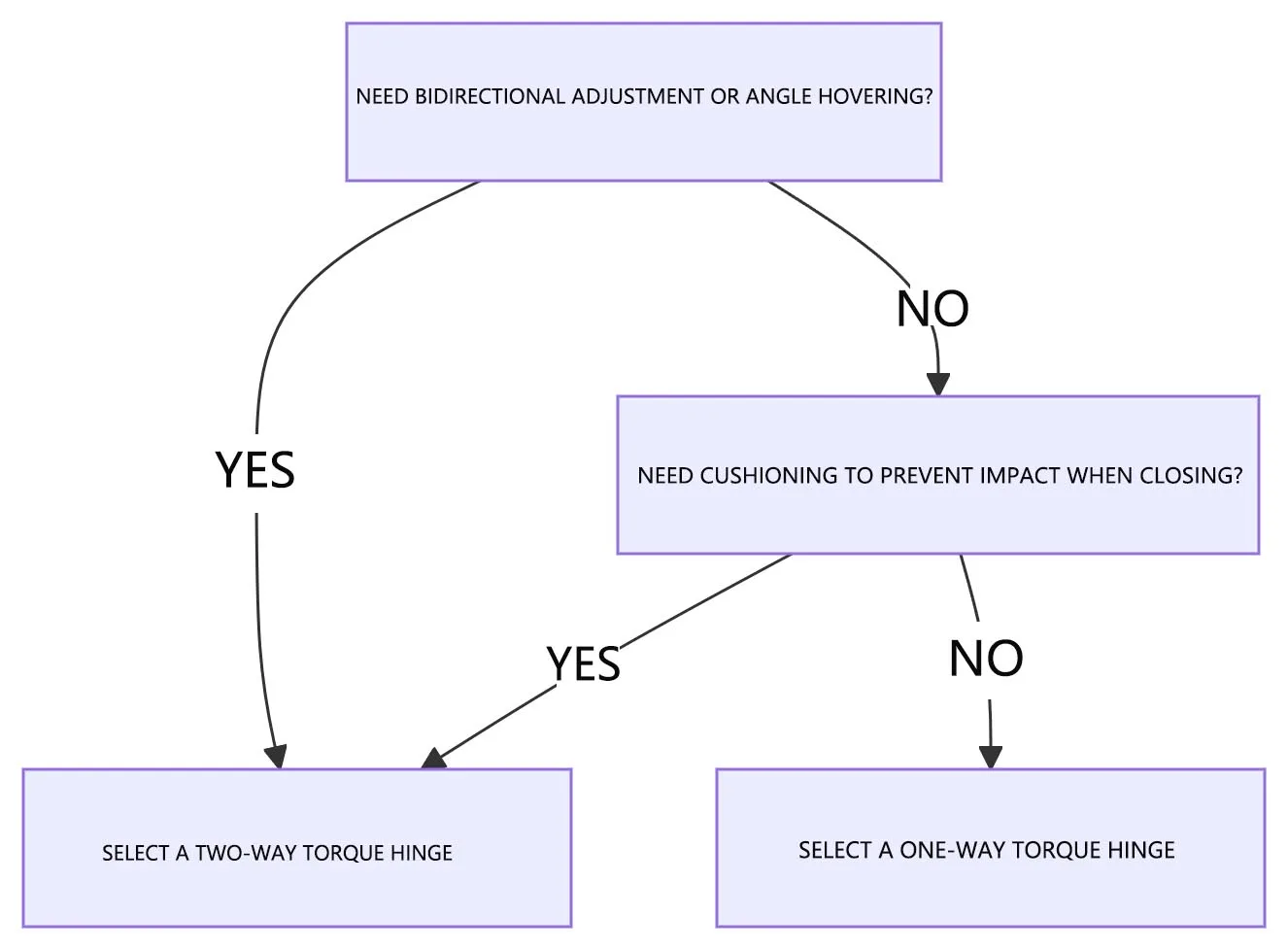
Diagrama de flujo de decisión rápida para la selección de bisagras de torsión unidireccionales frente a bidireccionales
- ¿Necesita el panel sujetarse en múltiples ángulos durante su uso normal?
Sí → Pasar a bidireccional.
No → Continuar. - ¿Puede el movimiento de retorno cerrarse más libremente sin crear un problema de seguridad o usabilidad?
Sí → Un solo sentido puede ser suficiente.
No → La bidireccionalidad es más segura. - ¿El panel está orientado al usuario, es frágil o sensible desde el punto de vista de la seguridad?
Sí → Prefiero bidireccional.
No → Continuar. - ¿Son el tamaño compacto y el menor coste las principales prioridades?
Sí → Prefiero un solo sentido.
No → Vuelva a comprobar si el control bidireccional mejora el producto lo suficiente como para justificar el coste.
Casos de uso típicos
| Aplicación | Mejor elección | Por qué |
|---|---|---|
| Cubierta abatible estilo portátil o simple | Unidireccional | El control es necesario principalmente en una dirección de movimiento |
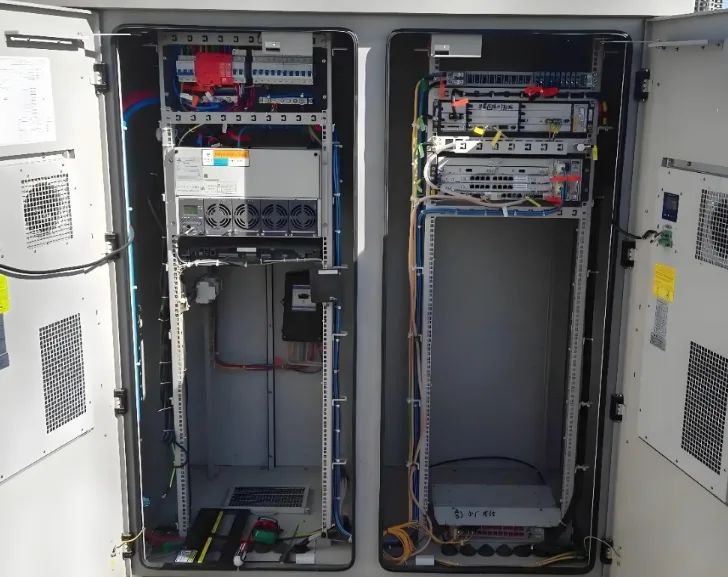
| Tapa de la caja de instrumentos para exteriores | Unidireccional | Lógica simple de apertura/cierre con sensibilidad a los costes |
| Panel de brazo de pantalla o monitor médico | Dos vías | Sujeción precisa del ángulo y control orientado hacia el usuario |
| Pantalla de entretenimiento para automóviles | Dos vías | Necesita estabilidad multiángulo y resistencia a las vibraciones |
| Robot industrial o pantalla de control HMI | Dos vías | Reposicionamiento frecuente y función de mantenimiento en ángulo |
Para proyectos de seguridad crítica o sensibles a los ángulos, no se limite a la elección direccional. Siga con una lógica de dimensionamiento completa utilizando el guía de selección de bisagras dinamométricas.
Cuando también necesita resortes de gas o sistemas de asistencia
La elección de la dirección no resuelve por sí sola todos los problemas de movimiento. En algunas aplicaciones de paneles pesados, incluso la bisagra unidireccional o bidireccional correcta puede no proporcionar suficiente apoyo ergonómico de elevación por sí sola. Cuando la tapa o el panel sean grandes, pesados o requieran un menor esfuerzo por parte del usuario, compare la estrategia de la bisagra con bisagras de torsión vs resortes de gas vs muelles.
Como norma general:
- Utilice bisagras de torsión cuando el objetivo principal sea un control de posicionamiento compacto.
- Utilice pistones a gas cuando el objetivo principal sea la asistencia a la elevación de paneles muy pesados.
- Utilice un enfoque híbrido cuando necesite tanto un soporte de elevación ergonómico como un control de sujeción estable.
Coste y realidad de la oferta
Las bisagras unidireccionales suelen ser más fáciles de justificar en proyectos donde el coste y el embalaje son ajustados. Las bisagras bidireccionales suelen costar más porque ofrecen un mayor control del movimiento y a menudo requieren una consistencia de rendimiento más estricta. Ese sobrecoste sólo merece la pena cuando la aplicación realmente lo necesita.
Así que la pregunta correcta no es "¿qué bisagra es más barata?". Es "¿qué comportamiento de movimiento requiere realmente el producto?". Esa mentalidad evita tanto las especificaciones insuficientes como el exceso de ingeniería innecesario.
PREGUNTAS FRECUENTES
P: ¿Cuál es la diferencia entre las bisagras de torsión unidireccionales y bidireccionales?
R: Las bisagras unidireccionales ofrecen resistencia principalmente en una dirección, mientras que las bisagras bidireccionales ofrecen resistencia en ambas direcciones y suelen ser más adecuadas para aplicaciones de sujeción en ángulo.
P: Mi aparato tiene que permanecer fijo en muchos ángulos diferentes. Qué tipo debo elegir?
R: En la mayoría de los casos, elija una bisagra de torsión bidireccional, porque el mantenimiento del ángulo y el control bidireccional es exactamente para lo que está diseñada.
P: ¿Por qué es más cara una bisagra de dos direcciones?
R: Porque proporciona un movimiento más controlado y suele implicar una mayor complejidad de diseño y una coherencia de rendimiento más estricta. Solo merece la pena el coste adicional cuando esa funcionalidad es realmente necesaria.
P: ¿Siguen siendo necesarios los cálculos de par después de decidir entre unidireccional y bidireccional?
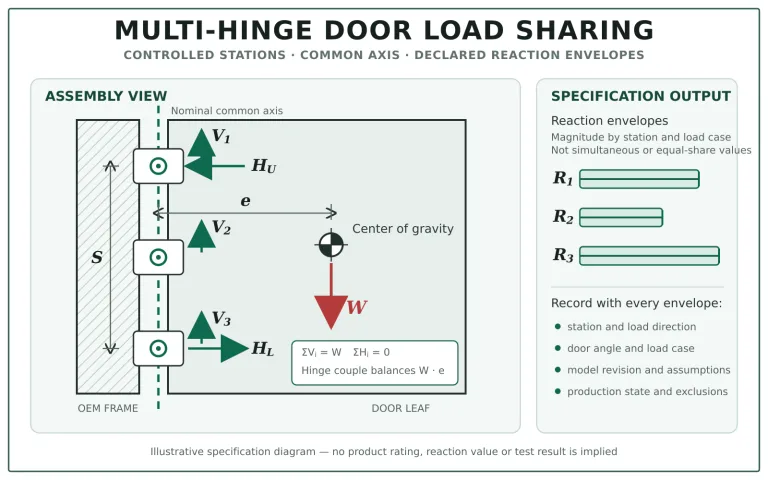
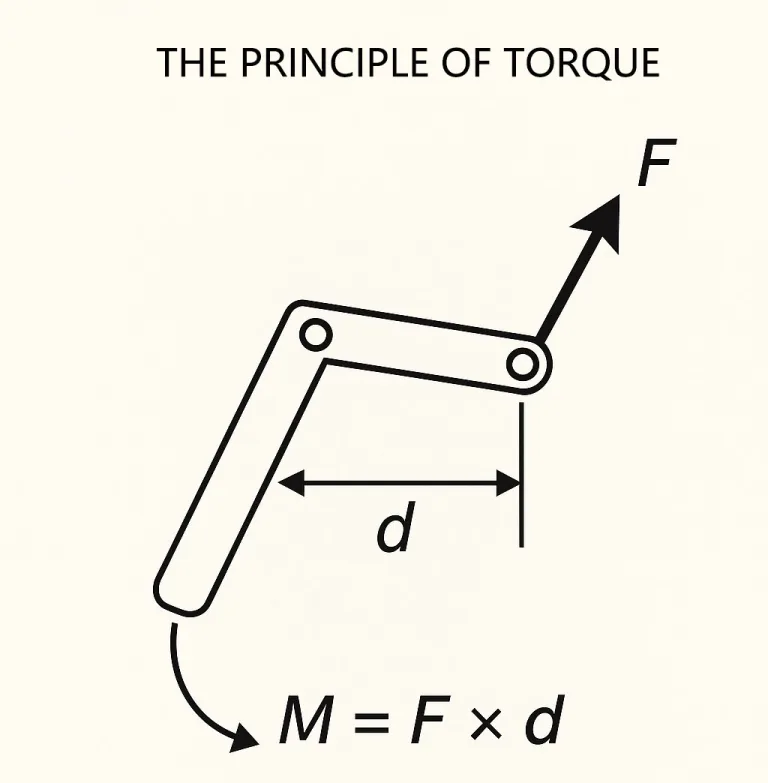
R: Sí. La elección de la dirección es sólo la primera decisión. Después, hay que dimensionar correctamente el par utilizando el peso del panel, el centro de gravedad, el ángulo y el margen de seguridad.
Conclusión
La decisión fundamental es sencilla. Si su aplicación sólo necesita control direccional en una parte del movimiento, puede bastar con un solo sentido. Si su aplicación necesita un control de sujeción estable, seguridad de cara al usuario o un verdadero posicionamiento multiángulo, la mejor opción suele ser la bidireccional.
Tome primero la decisión direccional. A continuación, valide el dimensionamiento del par, la estrategia de soporte y la estabilidad a largo plazo con las guías de seguimiento adecuadas. Así es como se evitan los problemas de caída de paneles y el exceso de ingeniería innecesario.

 Español
  English
  한국어
한국어  Русский
  Italiano
  Deutsch
  Français
  Português