

Scharniere für Großküchen: Auswahlhilfe für die Gastronomie
In einer Großküche gehört ein Scharnier zu den am stärksten beanspruchten Bauteilen eines jeden Geräts. Die Tür eines begehbaren Kühlraums, eines Durchreichschranks oder die Zugangsklappe eines Geschirrspülers kann pro Schicht hunderte Male geöffnet werden, wird anschließend mit heißem Wasser abgespritzt, mit chemischen Desinfektionsmitteln behandelt und ist über Jahre hinweg Fett und Dampf ausgesetzt. Wählt man das falsche Scharnier, hängt die Tür durch, die Dichtung dicht nicht mehr richtig, und aus einem billigen Teil wird ein wiederkehrender Grund für einen Serviceeinsatz. Dieser Leitfaden erklärt, wie man Scharniere für Großküchen nach Anwendungsbereich, Material und Reinigungsbelastung auswählt – damit das Scharnier der tatsächlichen Arbeitsumgebung entspricht und nicht nur dem Datenblatt.
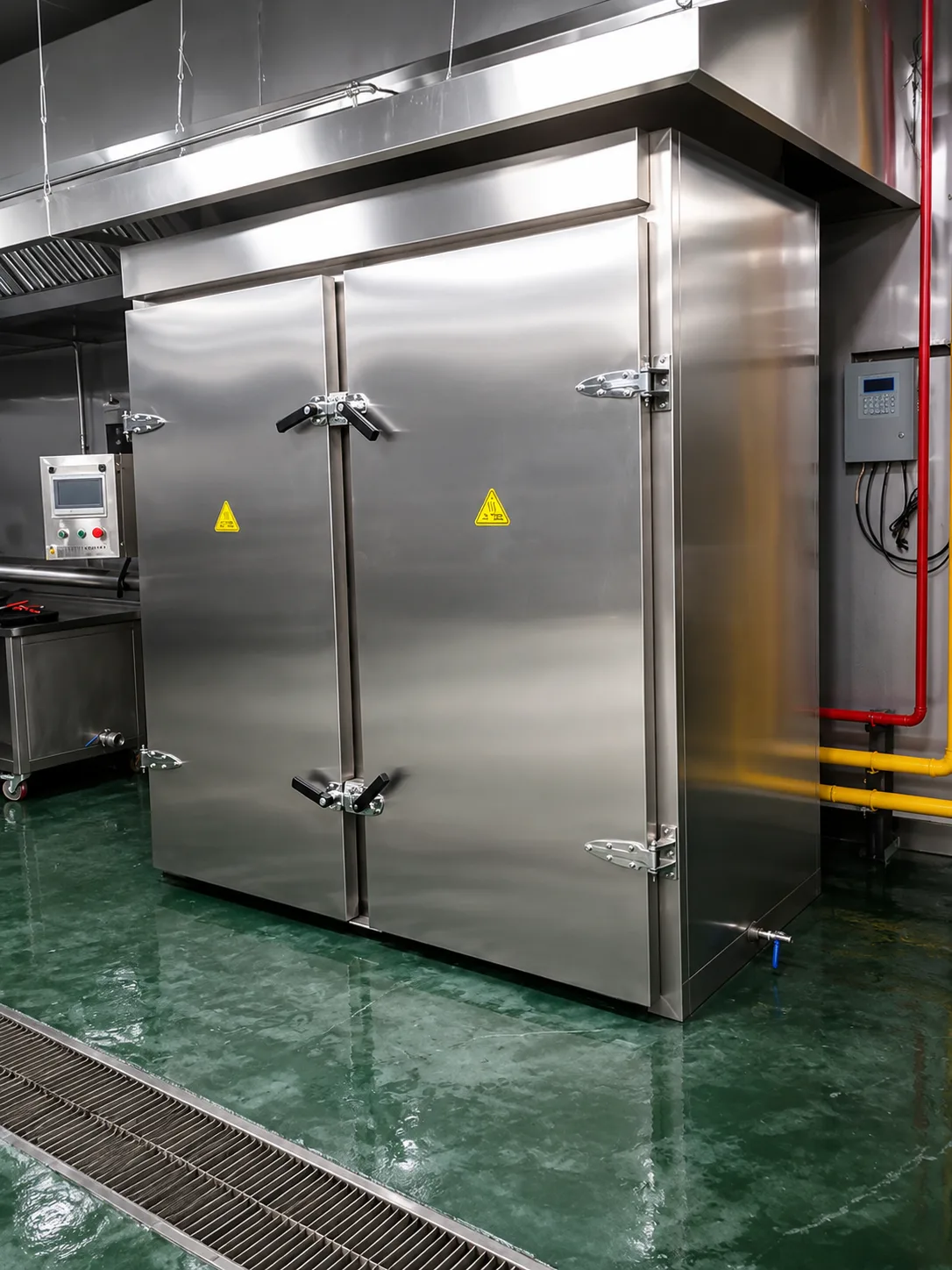
Die Materialwahl spielt bei dieser Entscheidung eine große Rolle, und der Markt spiegelt dies wider: Edelstahl macht bereits etwa 40% des Marktes für Türscharniere und wächst jährlich um etwa 5,3%, was vor allem auf Hygienevorschriften und höhere Erwartungen an die Garantie in Bereichen wie der Gastronomie zurückzuführen ist.
Warum Standardscharniere in Großküchen versagen
Ein Scharnier, das an einem Büroschrank einwandfrei funktioniert, kann in der Küche schnell versagen, da es dort aus mehreren Richtungen gleichzeitig beansprucht wird:
- Feuchtigkeit und Chloride. Dampf, Hochdruckreinigung und chloridhaltige Desinfektionsmittel führen zu Lochfraß und Verfärbungen an Scharnieren, die nicht für den Einsatz in feuchten Umgebungen ausgelegt sind. Normaler Kohlenstoffstahl rostet schnell, und selbst Edelstahl 304 kann bei starker Chloridbelastung Lochfraß aufweisen.
- Fett und Rückstände. In der Luft schwebendes Fett setzt sich im Gelenk und im Drehpunkt ab, vermischt sich mit Staub und verwandelt sich in eine abrasive Paste, die Reibung und Verschleiß verstärkt.
- Hohe Umlaufzahlen. Die Türen von Kühlschränken und Arbeitsstationen werden ständig geöffnet. Ein Scharnier, das für einige Tausend Zyklen ausgelegt ist, nutzt sich in einer Umgebung, in der Zehntausende Zyklen erforderlich sind, schnell ab.
- Auswirkungen und Missbrauch. Das Personal öffnet die Türen schnell, lässt sie schwingen und belastet die Türgriffe stark. Die Scharniere müssen diese Belastungen aushalten, ohne sich zu lockern oder zu verbiegen.
Der Defekt liegt selten nur am Scharnier. Sobald eine Tür auch nur um ein paar Millimeter absinkt, dichtet die Dichtung nicht mehr ab, die Verriegelung verschiebt sich, und der Schrank verliert an Temperatur oder besteht eine Hygieneprüfung nicht. Diese Folgeschäden sind in der Regel weitaus teurer als das Scharnier selbst – weshalb die Auswahl bei der Einsatzumgebung ansetzen sollte und nicht beim Stückpreis.
Werkstoffauswahl: 304 vs. 316 in der Gastronomie
Edelstahl ist der Standard für Küchenscharniere, aber „Edelstahl“ ist kein einheitlicher Werkstoff. Die beiden Sorten, zwischen denen Sie tatsächlich wählen müssen, sind 304 und 316, und der entscheidende Faktor ist die Chloridbelastung.
- Edelstahl 304 Eignet sich gut für allgemeine Aufgaben in der Küche – Trockenlagerung, Vorratsschränke sowie Bereiche mit normaler Luftfeuchtigkeit und routinemäßiger Reinigung.
- Edelstahl 316 enthält Molybdän, was für eine deutlich bessere Beständigkeit gegen Chlorid-Lochfraß sorgt. Diese Güteklasse ist besonders für Spülbereiche, Bereiche mit starker Dampfbelastung, Anwendungen mit Lebensmittelkontakt sowie für den Einsatz in lebensmitteltauglichen Bereichen zu empfehlen – und überall dort, wo häufig aggressive chemische Desinfektionsmittel zum Einsatz kommen.
Als Faustregel gilt: Wenn das Scharnier ständiger Feuchtigkeit, aggressiven Desinfektionsmitteln oder direktem Kontakt mit Lebensmitteln ausgesetzt ist, sollten Sie sich standardmäßig für 316 entscheiden. Befindet es sich hingegen an einem trockeneren Ort mit geringerer Beanspruchung, ist 304 in der Regel die kostengünstigere Wahl. Es lohnt sich, das Verhältnis zwischen Kosten und Korrosionsbeständigkeit genau zu verstehen, bevor Sie eine ganze Produktlinie festlegen – unsere Aufschlüsselung von Wann sollte man Edelstahl statt Kohlenstoffstahl wählen? erläutert, wo sich die einzelnen Maßnahmen auszahlen, und die Leitfaden zu Edelstahlsorten und Oberflächenausführungen behandelt die metallurgischen Grundlagen der Stahlsorten 304 und 316 sowie die Oberflächenbehandlung.
Die Oberflächenbeschaffenheit ist genauso wichtig wie die Qualität. Eine glattere Oberfläche lässt sich leichter reinigen und nimmt weniger Fett und Speisereste auf, was in einer Küche sowohl ein Vorteil für die Hygiene als auch für die Langlebigkeit ist.
Auswahl von Scharnieren je nach Einsatzzweck in der Küche
Der schnellste Weg, die richtige Scharnierauswahl zu treffen, besteht darin, von den Geräten und ihrer Umgebung auszugehen. Im Folgenden wird erläutert, wie sich die Anforderungen bei den gängigsten Anwendungen im Gastronomiebereich unterscheiden.
Aufbewahrungs- und Vorbereitungsschränke aus Edelstahl
Trockenlager- und Vorbereitungsschränke sind der anspruchsloseste Anwendungsbereich. Bei mäßiger Luftfeuchtigkeit und regelmäßiger Reinigung reicht Edelstahl 304 in der Regel aus. Hier stehen ein reibungsloser Betrieb, eine gleichbleibende Ausrichtung und ein sauberes Erscheinungsbild der sichtbaren Beschläge im Vordergrund. Sowohl verdeckte als auch aufgesetzte Scharniere sind geeignet, je nachdem, ob das Aussehen oder die Wartungsfreundlichkeit wichtiger ist.
Kühl- und Gefriertüren
Türen auf der Kaltseite sind aufgrund der Isolierung und der Dichtungen schwerer und sind Kondensation, Temperaturwechseln sowie ständigen Anforderungen an die Dichtigkeit ausgesetzt. Das Scharnier muss ein erhebliches Gewicht tragen und gleichzeitig die Tür fest an der Dichtung halten – schon ein geringes Durchhängen führt hier unmittelbar zu Temperaturverlusten und Frostbildung. Außerdem sammelt sich an diesen Türen Feuchtigkeit an, was sowohl Fleckenbildung als auch Oberflächenverschleiß beschleunigt; daher müssen sowohl das Material als auch die Tragfähigkeit sorgfältig auf den Einsatz unter kalten und feuchten Bedingungen geprüft werden. Zu den spezifischen Anforderungen an Kühlkettenanlagen finden Sie weitere Informationen in unserem Leitfaden unter Kühlhausscharniere.
Geschirrspül- und Hochdampfzonen
Dies ist die aggressivste Korrosionsumgebung in der Küche. Ständig einwirkendes heißes Wasser, Dampf und chemische Reinigungsmittel führen dazu, dass Chlorid-Lochfraß die häufigste Schadensursache ist. Dies ist das deutlichste Beispiel für Edelstahl 316, wo die Kosten für den Austausch und das Ausfallrisiko die geringen Mehrkosten für das Material bei weitem überwiegen. Abgedichtete Scharniere oder solche mit einfacher Geometrie sind vorzuziehen, damit sich kein Wasser in Vertiefungen und Fugen ansammeln kann.
Warmhalte-, Servier- und Durchlaufgeräte
Kühlschränke, Ausgabetheken und Durchreicheeinheiten werden während des Betriebs ständig geöffnet, daher stehen Lebensdauer und ein leichtgängiges, vorhersehbares Türgefühl im Vordergrund. Ein Scharnier mit kontrollierter, stabiler Bewegung verbessert die Arbeitsbedingungen für das Personal und verringert den Verschleiß der gesamten Baugruppe durch zuschlagende Türen. Bei Türen, die während des Betriebs in einem festgelegten Winkel offen gehalten werden sollen, verhindert ein Reibungs- oder Drehmoment-Scharnier ein versehentliches Schließen.
Geräte, die regelmäßig gründlich gereinigt werden müssen
Bei Geräten, die regelmäßig zerlegt und desinfiziert werden müssen, ist die Möglichkeit, die Tür vollständig abzunehmen, ein großer Vorteil. Dank abnehmbarer Scharniere kann das Personal die Tür ohne Werkzeug abnehmen, alle Oberflächen reinigen und sie innerhalb von Sekunden wieder anbringen – was die Desinfektion weitaus besser unterstützt, als wenn man versucht, um eine fest montierte Tür herum zu schrubben. Lesen Sie unseren Leitfaden zu Abnehmbare Scharniere und werkzeugloser Türausbau wie dieses Design funktioniert und wo es zum Einsatz kommt.
Belastung, Größe und Lebensdauer
Das Scharnier muss das Gewicht der Tür sowie die Art und Weise, wie dieses Gewicht im Gebrauch auf das Scharnier wirkt, tragen können. Eine leichte Revisionsklappe und eine schwere, isolierte Kühlschranktür können zwar ähnlich aussehen, erfordern jedoch ganz unterschiedliche Scharniere. Dabei sind drei Belastungsfälle entscheidend:
- Statische Belastung — das Eigengewicht der Tür im Ruhezustand, einschließlich Beschlägen, Dämmung und Dichtungen, die leicht übersehen werden.
- Dynamische Belastung — die Kräfte beim schnellen Öffnen und Schließen.
- Belastung durch Missbrauch — Mitarbeiter, die die Schwingtüren hin- und herbewegen, sich daran anlehnen oder Gewichte an den Türgriffen aufhängen.
Die Lebensdauer ist ebenso wichtig wie die Tragfähigkeit. Ein Scharnier, das nur einige hundert Zyklen übersteht, wird in einer Restaurant- oder Großküche, in der Türen ständig geöffnet werden, frühzeitig versagen. Fragen Sie daher Ihre Lieferanten, wie die Konstruktion für den zu erwartenden Betriebszyklus validiert wurde. Und denken Sie daran: Ein Scharnier ist nur so stabil wie die Unterkonstruktion, an der es befestigt ist – eine dünne Befestigungsfläche, zu kleine Befestigungselemente oder ein nachgebender Rahmen führen selbst bei einem Scharnier mit hoher Belastbarkeit zum Versagen. Betrachten Sie Scharnier, Unterkonstruktion, Befestigungselemente und Montageverfahren als ein Gesamtsystem.
Hygiene und Reinigungsfreundlichkeit
In einer Küche sind mechanische Festigkeit und Reinigungsfreundlichkeit gleichermaßen wichtig. Die Geometrie der Scharniere hat direkten Einfluss darauf, wie leicht das Personal die Geräte hygienisch sauber halten kann:
- Bevorzugen Sie glatte Oberflächen und einfache Formen, die sich schnell abwischen lassen, gegenüber komplexen Baugruppen mit Vertiefungen und versteckten Fugen, in denen sich Rückstände ansammeln können.
- Vermeiden Sie möglichst scharfe Kanten und überlappende Spalten, in denen sich Fett und Speisereste ansammeln können.
- Für Anwendungen mit Lebensmittelkontakt oder in Lebensmittelqualität sollte standardmäßig Edelstahl 316 verwendet werden; ist eine Schmierung erforderlich, ist ein lebensmittelverträgliches Schmiermittel zu verwenden.
- Passen Sie das Scharnier an die tatsächliche Reinigungsmethode des Betreibers an – eine Konstruktion, die für einen trockenen Schrank geeignet ist, kann für einen Arbeitsbereich mit hoher Feuchtigkeit ungeeignet sein.
Das beste Scharnier für den Sanitärbereich ist dasjenige, das die tatsächlichen Nutzer auch während einer hektischen Schicht zuverlässig reinigen können – und nicht dasjenige, das nur auf einer Zeichnung sauber aussieht.
Checkliste für die Beschaffung
Bevor Sie sich für ein Scharnier für Gastronomiegeräte entscheiden, gehen Sie eine kurze Checkliste durch:
- Überprüfen Sie die Edelstahlsorte (304 oder 316) und die Oberflächenbeschaffenheit im Hinblick auf die Reinigungsbelastung.
- Die Tragfähigkeit muss auf das Gesamtgewicht der Tür — einschließlich Dämmung, Dichtungen und Beschläge — sowie auf eine Sicherheitsmarge abgestimmt sein.
- Stellen Sie sicher, dass die angegebene Lebensdauer dem erwarteten täglichen Gebrauch entspricht.
- Prüfen Sie, ob die Tür zur Reinigung oder Wartung ohne Werkzeug abgenommen werden muss.
- Überprüfen Sie die Kompatibilität hinsichtlich der Rahmenstärke und der Befestigungsstrategie.
- Erkundigen Sie sich nach der Lieferzeit, der langfristigen Verfügbarkeit von Ersatzteilen und der Musterfreigabe – ein nicht mehr lieferbares Scharnier kann über Jahre hinweg zu einem Problem im Kundendienst werden.
Häufige Fehler, die es zu vermeiden gilt
- Die Entscheidung allein aufgrund des Aussehens. Ein gut aussehendes Scharnier, das in einem Nassbereich korrodiert, ist eine falsche Sparmaßnahme.
- Das Gewicht der Tür unterschätzen. Dämmung, Dichtungen und Befestigungsmaterial tragen zum Gesamtgewicht bei; berechnen Sie das tatsächliche Gewicht der fertig montierten Baugruppe und nicht das Gewicht der bloßen Platte.
- Alle Edelstahlsorten als gleichwertig betrachten. Die Legierungsqualität, die Oberflächenbeschaffenheit und die Verarbeitungsqualität variieren stark, und diese Unterschiede entscheiden darüber, ob ein Scharnier in einer feuchten Küche Bestand hat.
- Validierung der Stichprobe wird übersprungen. Ein echtes Scharnier an einer Mustertür deckt Pass- und Ausrichtungsprobleme auf, die in den Zeichnungen verborgen bleiben – diese sollten vor der Fertigung der Werkzeuge erkannt werden, nicht erst danach.
Häufig gestellte Fragen
Welche Edelstahlsorte eignet sich am besten für Scharniere in Großküchen?
Für allgemeine Küchenanwendungen wie Trockenlagerung und Vorbereitungsschränke ist Edelstahl 304 in der Regel ausreichend. Für Spülbereiche, Bereiche mit starker Dampfbelastung, Anwendungen mit Lebensmittelkontakt und überall dort, wo aggressive chlorhaltige Desinfektionsmittel zum Einsatz kommen, ist Edelstahl 316 die bessere Wahl, da sein Molybdängehalt eine Lochfraßkorrosion verhindert.
Welches Material für Scharniere gilt als lebensmittelecht?
Für Anwendungen mit Lebensmittelkontakt und in Lebensmittelqualität ist Edelstahl 316 aufgrund seiner hohen Korrosionsbeständigkeit und Reinigungsfreundlichkeit die Standardwahl. Wo eine Schmierung erforderlich ist, sollte ein lebensmitteltaugliches Schmiermittel verwendet werden, und die Geometrie des Scharniers sollte Spalten vermeiden, in denen sich Lebensmittelrückstände ansammeln können.
Warum versagen Scharniere in Großküchen vorzeitig?
Die häufigsten Ursachen sind Korrosion durch Feuchtigkeit und chlorhaltige Desinfektionsmittel, Fett- und Rückstandsablagerungen im Drehpunkt sowie eine hohe Anzahl von Betätigungszyklen, die die Nennbelastung des Scharniers überschreitet. Ein defektes Scharnier führt oft dazu, dass die Tür durchhängt, wodurch die Dichtung beschädigt und die Verriegelung verschoben wird, was Schäden verursacht, die weit über das Scharnier selbst hinausgehen.
Sind abnehmbare Scharniere bei Gastronomiegeräten sinnvoll?
Ja. Dank der abnehmbaren Scharniere können Mitarbeiter eine Tür ganz ohne Werkzeug vollständig abnehmen, was die gründliche Reinigung und Desinfektion von Geräten, die regelmäßig zerlegt werden müssen, erheblich erleichtert. Die Tür lässt sich auf allen Oberflächen reinigen und in Sekundenschnelle wieder einbauen.
Wie bestimme ich die richtige Größe eines Scharniers für eine schwere Kühlschranktür?
Berechnen Sie das Gesamtgewicht der fertig montierten Tür einschließlich Dämmung, Dichtungen und Beschlägen und nicht nur das Gewicht der blanken Türplatte. Berücksichtigen Sie anschließend dynamische Belastungen und Überlastungen durch schnelles Öffnen und Druck auf den Türgriff und vergewissern Sie sich, dass die angegebene Lebensdauer dem täglichen Gebrauch entspricht. Stellen Sie außerdem sicher, dass die Montagefläche, die Befestigungselemente und der Rahmen die Last als Gesamtsystem tragen können.
Schlussfolgerung
Scharniere für Großküchen sehen zwar wie einfache Beschläge aus, entscheiden jedoch darüber, ob Türen auch nach jahrelangem intensiven Einsatz noch richtig ausgerichtet sind, Dichtungen weiterhin dicht halten und die Geräte hygienisch bleiben. Das richtige Scharnier ist dasjenige, das auf die Belastung der Tür, die Korrosionsumgebung, die Reinigungsmethode und den Wartungsplan abgestimmt ist – nicht das mit dem niedrigsten Stückpreis. Gehen Sie von der jeweiligen Anwendung aus, legen Sie die richtige Edelstahlsorte fest, überprüfen Sie die Belastbarkeit und die Lebensdauer und testen Sie ein Muster an einer echten Tür, bevor Sie sich entscheiden.
Benötigen Sie Hilfe bei der Auswahl des passenden Scharniers für ein bestimmtes Gerät im Gastronomiebereich? Kontakt zu HTAN für anwendungsspezifische Auswahlunterstützung.



 Deutsch
  English
  한국어
한국어  Русский
  Español
  Italiano
  Français
  Português