

Paarweise abgestimmte Drehmomentscharniere: Warum sie in Zwei-Scharnier-Systemen wichtig sind
Warum sind für Drehmomentscharniere aufeinander abgestimmte Paare erforderlich?
Bei Zwei-Scharnier-Systemen sind zwei Scharniere mit der gleichen Modellnummer nicht automatisch gleichwertig im tatsächlichen Drehmomentverhalten. Kleine Links-Rechts-Unterschiede in Bezug auf Drehmoment, Losbrechreibung, Hysterese oder Richtung können sich auf Systemebene als Schräglage, ungleichmäßiges Gefühl, Geräusch, instabiler Halt und schnellerer einseitiger Verschleiß bemerkbar machen.
Deshalb spezifizieren viele Ingenieurteams Paar abgestimmte Drehmomentscharniere anstatt einfach zwei Standardeinheiten zu bestellen. Ein abgestimmtes Paar reduziert die Links-Rechts-Variabilität, indem es zwei Scharniere aussucht, gruppiert und identifiziert, die sich ähnlich genug verhalten, um die Winkelhaltung, die Bewegungskonsistenz und die Qualitätskontrolle zu verbessern.
Diese Seite konzentriert sich speziell auf abgestimmte Paare in Zweischarniersystemen. Eine Übersicht über die gesamte Produktfamilie finden Sie auf unserer Drehmomentscharniere Seite. Wenn Sie zuerst das Drehmoment bestimmen, den Sicherheitsfaktor prüfen oder den Scharniertyp auswählen müssen, fahren Sie mit der Seite Auswahlhilfe für Drehmomentscharniere.
Was passiert, wenn zwei Scharniere nicht richtig aufeinander abgestimmt sind?
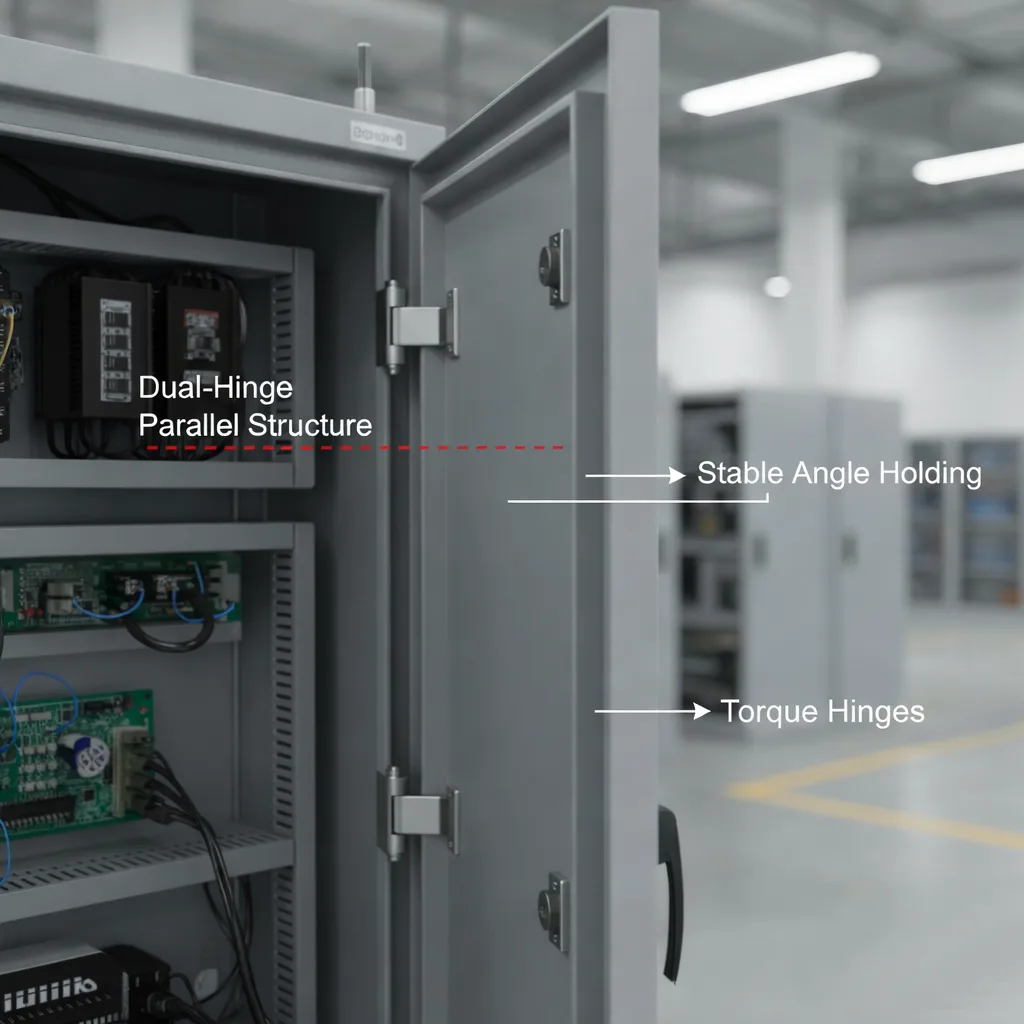
Bei einer Parallelstruktur mit zwei Scharnieren widerstehen das linke und das rechte Scharnier gleichzeitig der Bewegung und teilen sich die Systemlast gemeinsam. Wenn ein Scharnier ein höheres Drehmoment, eine höhere Losbrechreibung oder ein anderes Laufgefühl aufweist, verhält sich die Baugruppe nicht mehr symmetrisch.
- Ungleiche Lastverteilung: eine Seite trägt mehr Moment und verschleißt schneller.
- Schräglage und Verzahnung: das Paneel sich während der Bewegung leicht verdreht.
- Geräusche und Scheuerstellen: Die Kanten berühren sich auf einer Seite früher als auf der anderen.
- Schlechte Haltestabilität: Durchhängen, Rückfedern oder inkonsistentes Stoppverhalten werden wahrscheinlicher.
- Schlechtere Ausbeute bei der Massenproduktion: die Linie hängt mehr vom subjektiven Empfinden und der Nacharbeit ab.
Wenn diese Art von Links-Rechts-Inkonsistenz zu Durchhängen, Driften oder instabilem Halteverhalten führt, sollten Sie unsere Drehmomentscharnier-Durchhangführung für den breiteren Diagnosepfad.
Definition von Matched Pair Torque Scharnieren
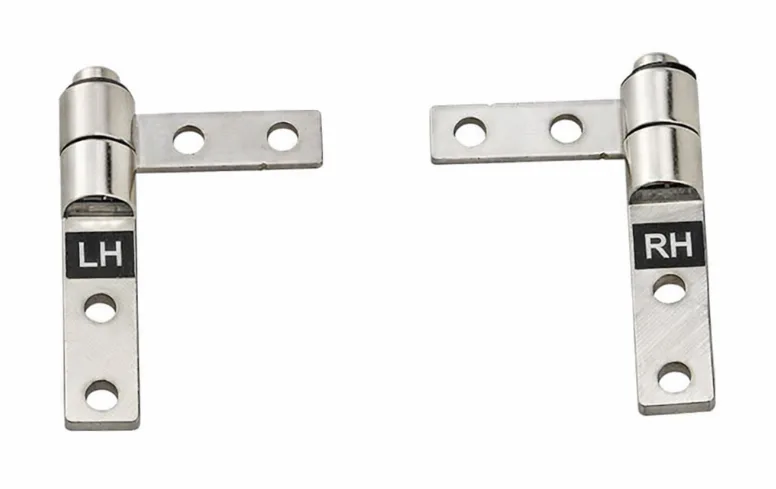
Eine gemeinsame Modellnummer ist keine Garantie für ein wirklich passendes Paar. Selbst bei qualitativ hochwertigen Drehmomentscharnieren kann das tatsächliche Verhalten aufgrund von Unterschieden im Reibmaterial, der Vorspannung der Baugruppe, dem Zustand der Schmierung, der Toleranzüberlagerung und der Richtungseinstellung variieren.
In der Praxis bedeutet eine "Matched Pair"-Spezifikation in der Regel, dass der Zulieferer strengere Kontrollen und Rückverfolgbarkeit anwendet, damit sich die beiden Scharniere in der realen Montage ähnlich verhalten.
- Engeres Drehmomentfenster: beide Scharniere liegen innerhalb eines engeren Bandes.
- Richtige Richtungspaarung: LH/RH oder CW/CCW korrekt gesteuert wird.
- Gleichmäßigeres Reibungsgefühl: Losbrech- und Laufmoment liegen näher beieinander.
- Werksgruppierung und Rückverfolgbarkeit: Paar-IDs und Aufzeichnungen unterstützen die Eingangskontrolle.
Zu den gängigen Methoden der Anbieter gehören Binning, Links-Rechts-Spiegelung und Serien- oder Datensatzbindung über Pair ID.
Hauptgründe für die Verwendung von paarweise abgestimmten Torque-Scharnieren
Toleranzstapel bilden keinen Durchschnitt
Ein einzelnes Scharnier mag sich für sich genommen akzeptabel anfühlen, aber bei einem System mit zwei Scharnieren spürt der Benutzer den kombinierten Widerstand und den Unterschied zwischen links und rechts. Die Drehmomentspreizung gleicht sich bei parallelen Strukturen nicht "aus". Sie macht sich durch ein ungleichmäßiges Bewegungsgefühl und instabiles Halteverhalten bemerkbar.
Unausgewogenes Drehmoment führt zu versetzter Belastung
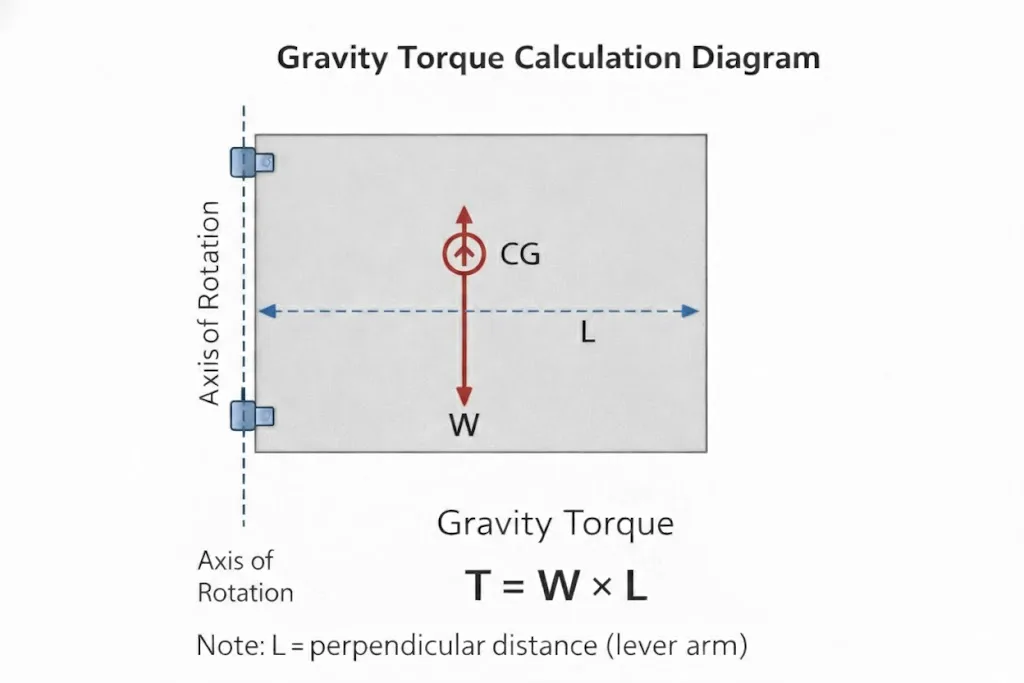
Wenn eine Seite einen höheren Widerstand erzeugt, neigt dieses Scharnier dazu, mehr von der Betriebslast zu absorbieren und mehr Energie abzugeben. Dadurch wird die Belastung in Halterungen, Löcher, Kunststoffnasen oder dünne Bleche um die Scharnierzone herum verlagert. Je breiter die Platte und je länger der Hebelarm, desto gravierender ist dies.
Regale erhöhen das Lärm- und Kosmetikrisiko
Eine Links-Rechts-Ungleichheit führt zu einer leichten Verdrehung während der Bewegung. Dieser Verzahnungseffekt verstärkt Kanteninterferenzen, Quietschen, Klickgeräusche, sichtbare Spaltunregelmäßigkeiten und lokale Reibungsspuren. Durch aufeinander abgestimmte Paare wird die Wahrscheinlichkeit verringert, dass der Scharniersatz selbst die Hauptursache für kosmetische und haptische Probleme ist.
ΔT Wachstum ist wichtiger als Leben
Die Seite mit dem höheren Drehmoment verschleißt oft schneller, was bedeutet, dass die Links-Rechts-Differenz beim Radfahren zunehmen kann. Bei realen Produkten ist das Wachstum der ΔT über die Lebensdauer kann wichtiger sein als der anfängliche absolute Drehmomentwert, insbesondere bei Produkten, die stabile Haltepositionen und eine erstklassige Haptik erfordern.
Fehltoleranz und Folgen auf Systemebene
| Pair Mismatch Problem | System-Effekt | Sichtbares Symptom | Warum es wichtig ist |
|---|---|---|---|
| ΔT zu groß | Ungleiche Lastverteilung | Droop oder Rückfederung | Die Haltung wird instabil |
| Fehlanpassung der Losbrechreibung | Ungleichmäßiges Öffnungsgefühl | Eine Seite fängt zuerst | Benutzererfahrung verschlechtert sich |
| Hysterese-Fehlanpassung | Unterschiedliche Reaktion beim Öffnen/Schließen | Prellen oder ungleichmäßiges Rückgabegefühl | Wiederholbarkeit der Bewegung sinkt |
| Falsche LH/RH-Ausrichtung | Asymmetrischer Bewegungspfad | Schieflage, Scheuerstellen, Interferenzen | Das Risiko von Montagefehlern steigt |
| Schlechte Rückverfolgbarkeit | Unbekannte eingehende Variation | Uneinheitliche Beschwerden vor Ort | Die Ursachenanalyse wird schwieriger |
Anwendungen, die am meisten von Matched Pairs profitieren
- Breite Paneele und lange Hebelarmtüren: Links-Rechts-Unterschiede werden durch die Geometrie vergrößert.
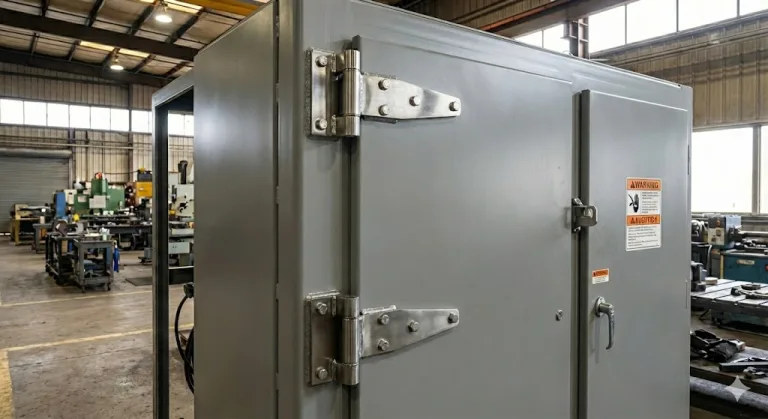
- Abdeckungen für Industrieanlagen und Schranktüren: Winkelhaltung und leiser Lauf sind wichtig für eine lange Lebensdauer.
- Monitorständer, Terminals und Bildschirmhalterungen: Das hochwertige Gefühl und die wiederholbare Bewegung sind Teil des Produktwertes.
- Tafeln und Abdeckungen für medizinische Geräte: Vorhersehbare Bewegungen und stabiler Halt sind besonders wichtig. Für den breiteren medizinischen Kontext, siehe Auswahl von Drehmomentscharnieren für medizinische Geräte.
- Strukturen aus Kunststoff oder dünnem Metallblech: Asymmetrische Belastung erhöht das Kriechen, die Dehnung der Löcher und das Risiko einer langfristigen Schieflage.
Kleinere, leichtere Anwendungen mit nur einem Scharnier benötigen vielleicht nicht immer vollständig aufeinander abgestimmte Paare, aber sobald ein stabiles Griffgefühl, kosmetische Qualität oder Konsistenz in der Massenproduktion wichtig werden, ist die Lieferung von aufeinander abgestimmten Paaren in der Regel der sicherere Standard.
Schnell-Entscheidungshilfe: Abgestimmte Paare vs. Standardeinheiten
Zusammenpassende Paare sind in der Regel die bessere Wahl, wenn:
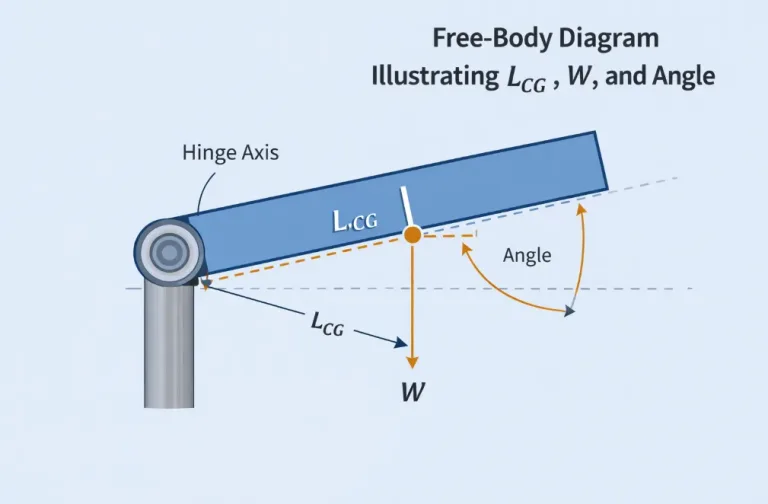
- die Platte ist breit und der Schwerpunkt liegt weit von der Scharnierachse entfernt
- stabiles Halten in verschiedenen Winkeln ist eine Grundvoraussetzung
- die Links-Rechts-Konsistenz wirkt sich auf kosmetische Lücken, Geräusche oder die Haptik aus
- die Struktur ist empfindlich gegenüber Kriechen, Schräglage oder Montageabweichungen
Wenn Sie noch das Gesamtdrehmoment, den Sicherheitsfaktor oder die Scharniergröße bestimmen müssen, bevor Sie sich für ein passendes Paar entscheiden, fahren Sie mit der Auswahlhilfe für Drehmomentscharniere.
Kurzanleitung für die Beschaffung (Was kaufen und wie annehmen)
Kaufspezifikation: 5 Zeilen, die Sie in PO / Spezifikation kopieren können
- Lieferung und Identifizierung von zusammenpassenden Paaren: Die Scharniere müssen paarweise geliefert werden, jeweils mit einer Paar-ID auf der Verpackung und auf dem Teil, wenn dies möglich ist.
- Drehmomentbereich für Einzelscharniere: Definieren Sie T = xx-xx N-m pro Scharnier, mit deutlicher Angabe von Prüfwinkel, Geschwindigkeit und Temperatur.
- Anforderung an die Paarkonsistenz: Definieren Sie ΔT ≤ xx N-m oder ≤ x% an bestimmten Winkelpunkten wie 30° / 60° / 90°.
- Richtungsanforderung: Korrekt verlangen LH/RH oder CW/CCW Kennzeichnung gemäß der Zeichnung.
- Erfordernis der Rückverfolgbarkeit: Der Lieferant muss die Rückverfolgbarkeit von Pair ID mit der Charge, dem Prüfprotokoll oder der Testzusammenfassung gewährleisten.
Eingehende Inspektion: 3 einfache Checks
- Prüfen Sie die Paar-ID und Richtungsmarkierungen vor dem Laden der Zeile.
- Konsistenz der Drehmomentprobe bei festen Winkeln unter denselben Bedingungen und überprüfen Sie die ΔT-Anforderung.
- Führen Sie eine kurze Überprüfung des Montagegefühls durch an einem repräsentativen Gerät, um sicherzustellen, dass keine abnormalen Verzerrungen, Geräusche oder Bindungen auftreten.
Wie man eine Spezifikation schreibt, die sowohl für die Beschaffung als auch für die Technik funktioniert
Eine aussagekräftige Matched-Pair-Spezifikation sollte leicht zu kaufen, leicht zu prüfen und leicht zu verifizieren sein. Die praktischste Struktur ist die folgende:
- Paarung und Rückverfolgbarkeit: Paar-ID, Kennzeichnung und Gruppierungsmethode
- Drehmoment und Richtung: Ein-Scharnier-Drehmoment, ΔT, LH/RH oder CW/CCW
- Testbedingungen und Aufzeichnungen: Winkel, Geschwindigkeit, Temperatur und Datenformat
- Leben und Umwelt: Zyklusziel, Umweltmethode, Anforderungen an Eindringen und Korrosion, falls erforderlich
Diese Struktur macht die Kommunikation mit den Lieferanten sauberer und hilft den Qualitätsteams bei der Prüfung der übereinstimmenden Paare mit weniger Zweideutigkeiten.
Probenüberprüfung (Probe → Zyklus → Wiederholungsprüfung → Aufzeichnung)
- Testen Sie an echten Baugruppen: Verwendung repräsentativer Plattensteifigkeit und Scharnierabstände.
- Bewertung mit festem Winkel: Halten und Fühlen an definierten Punkten wie 0°, 30°, 60° und 90° aufzeichnen.
- Nach dem Zyklus erneut testen: Schwerpunkt auf Drehmomentdrift und ΔT-Wachstum, nicht nur auf das anfängliche Drehmoment.
- Aufzeichnung der Strukturindikatoren: Lochabweichung, Spaltveränderung und Plattensteifigkeit helfen dabei, Strukturprobleme von Problemen mit Scharnierpaaren zu trennen.
Montage- und Prozesskontrollpunkte
- Konsistenz der Richtung: LH/RH und CW/CCW gemäß der Zeichnung korrekt ausführen.
- Bohrung und Achsensteuerung: Vermeidung von Zwangsmontage und schlechter Koaxialität.
- Vorspannung und Befestigungskonsistenz: Standardisierung der Anzugsreihenfolge und der Werkzeugkontrolle, falls erforderlich.
- Abstände und Steifigkeit: ein größerer Scharnierabstand erhöht die Empfindlichkeit gegenüber ΔT und strukturellen Verzerrungen.
Wenn die Scharnierachsen, die Lochpositionen oder die Montageanordnung nicht korrekt gesteuert werden, kann das System eine falsche Paarung vortäuschen, selbst wenn das Scharnierpaar selbst akzeptabel ist. Deshalb muss die Montage- und Ausrichtungskontrolle zusammen mit der Logik der Scharnierpaarung überprüft werden.
Torque Hinge FAQ
Q1: Was ist der Unterschied zwischen einem "matched pair" und zwei Einheiten desselben Modells?
Bei einem abgestimmten Paar liegt der Schwerpunkt auf der Konsistenz und Rückverfolgbarkeit des Paares. Zwei Scharniere desselben Modells können dennoch eine breitere Drehmoment- und Reibungsverteilung aufweisen.
F2: Kann eine Montageanpassung nicht passende Scharniere reparieren?
Eine vorübergehende Abstimmung der Haptik kann zwar offensichtliche Unterschiede verbergen, kann aber zu strukturellen Vorbelastungen führen. Langfristige Konsistenz lässt sich besser durch eine engere Paarungsspezifikation und eine wiederholbare Überprüfung erreichen.
F3: Müssen wir wirklich LH/RH oder CW/CCW angeben?
Ja, wenn sich die Richtung auf das Halteverhalten oder die Montageausrichtung auswirkt. Eine eindeutige Richtungskennzeichnung reduziert Montagefehler und Ausfälle vor Ort.
F4: Warum kosten zusammenpassende Paare mehr?
Die Prämie ergibt sich in der Regel aus dem Screening, der Gruppierung, der Identifizierung und dem Rückverfolgbarkeitsmanagement, reduziert aber oft auch Ertragsverluste, Nacharbeit und spätere Qualitätsstreitigkeiten.
F5: Warum sollten wir uns um ΔT kümmern und nicht nur um das absolute Drehmoment?
Da das Systemgefühl und das strukturelle Gleichgewicht bei Doppelgelenkverbindungen stark von der Links-Rechts-Differenz abhängen. ΔT erklärt Probleme in der Praxis oft direkter als der durchschnittliche Drehmomentwert.
Schlussfolgerung
Paarweise aufeinander abgestimmte Drehmomentscharniere sind wichtig, da Doppelscharniersysteme Links-Rechts-Unterschiede verstärken, anstatt sie zu verbergen. Wenn Drehmoment, Losbrechreibung, Hysterese oder Richtung nicht genau genug kontrolliert werden, wird das System anfälliger für Schieflage, ungleichmäßiges Gefühl, Geräusche, Durchhang und schnelleren einseitigen Verschleiß.
Die praktischste Umsetzungsstrategie ist einfach: Definieren Sie die Lieferung von abgestimmten Paaren, spezifizieren Sie das Drehmoment eines einzelnen Gelenks und das ΔT des Paares unter klaren Testbedingungen, verlangen Sie Rückverfolgbarkeit und überprüfen Sie die Konsistenz vor und nach dem Zyklus. Dieser Ansatz bietet sowohl den Beschaffungs- als auch den Konstruktionsteams einen besser kontrollierbaren Weg vom Einkauf zur Produktion.
Anhang: Referenznormen (gruppiert nach Zweck)
Anmerkung: Konzentrieren Sie sich im Hauptteil darauf, was zu kaufen, wie zu prüfen und wie zu validieren ist. Verwenden Sie diesen Anhang als technische Bibliothek beim Schreiben von Testplänen und Projektspezifikationen.
- Zyklus / Verschleiß / Reibung / Festigkeitsrahmen: ANSI/BHMA A156.1
- Umweltbezogene Methoden: IEC 60068-Reihe
- Schutz gegen Eindringen: IEC 60529
- Klassifizierung der Korrosion: EN 1670
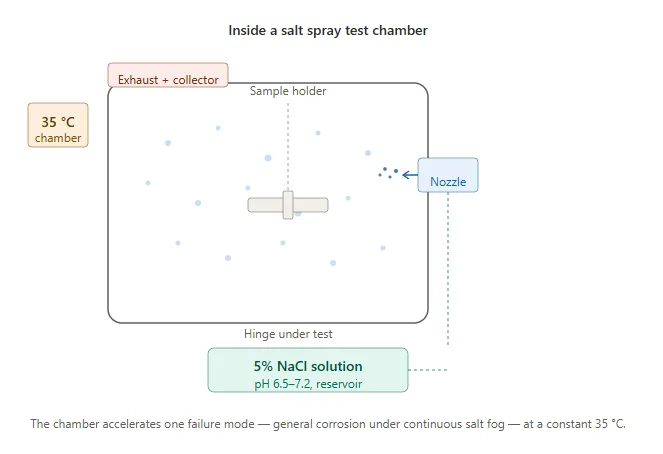
- Referenzen für Salzsprühnebel: ISO 9227; ASTM B117
- Referenzen zur Haltbarkeit von Möbel-/Schrankscharnieren: EN 15570
- Klassifizierungskontext für einachsige Scharniere: DE 1935
- Kalibrierung des Drehmomentwerkzeugs: ISO 6789-2
- Umweltaspekte bei schweren Nutzfahrzeugen: SAE J1455

 Deutsch
  English
  한국어
한국어  Русский
  Español
  Italiano
  Français
  Português