

Dobradiças de torque de pares combinados: Porque é que são importantes em sistemas de dobradiça dupla
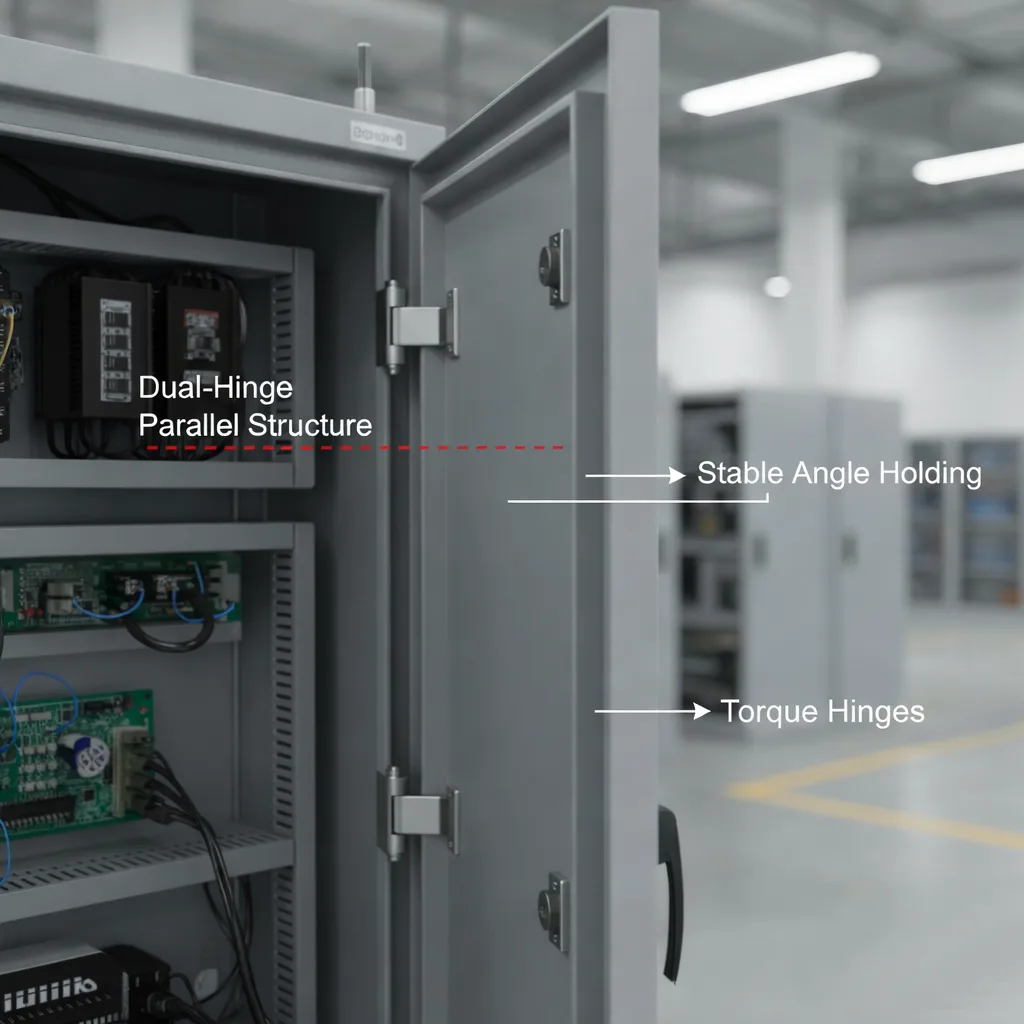
Porque é que as dobradiças de binário requerem pares emparelhados?
Nos sistemas de dobradiça dupla, duas dobradiças com o mesmo número de modelo não são automaticamente equivalentes no comportamento real do binário. Pequenas diferenças entre a esquerda e a direita em termos de binário, fricção de rutura, histerese ou direção podem tornar-se visíveis ao nível do sistema como inclinação, sensação irregular, ruído, fixação instável e desgaste mais rápido de um lado.
É por isso que muitas equipas de engenharia especificam dobradiças de binário de par combinado em vez de simplesmente encomendar duas unidades padrão. Um par combinado reduz a variabilidade esquerda-direita, selecionando, agrupando e identificando duas dobradiças que se comportam de forma suficientemente próxima para melhorar a fixação do ângulo, a consistência do movimento e o controlo de qualidade de entrada.
Esta página centra-se especificamente em pares combinados em sistemas de dobradiça dupla. Para uma visão geral mais alargada da família de produtos, comece pela nossa dobradiças de binário página. Se ainda for necessário dimensionar o binário, verificar o fator de segurança ou escolher primeiro o tipo de dobradiça, continue com a guia de seleção de dobradiças de binário.
O que acontece quando duas dobradiças não estão corretamente combinadas?
Numa estrutura paralela de articulação dupla, as articulações esquerda e direita resistem ao movimento ao mesmo tempo e partilham a carga do sistema. Se uma das dobradiças tiver um binário mais elevado, um maior atrito de arranque ou uma sensação de funcionamento diferente, o conjunto deixa de se comportar simetricamente.
- Repartição desigual da carga: um dos lados tem mais momento e desgasta-se mais depressa.
- Inclinação e oscilação: o painel torce-se ligeiramente durante o movimento.
- Ruído e marcas de fricção: as arestas contactam mais cedo de um lado do que do outro.
- Fraca estabilidade de fixação: o comportamento de queda, retorno ou paragem inconsistente torna-se mais provável.
- Pior rendimento da produção em massa: a linha depende mais da afinação e da reformulação subjectivas.
Quando este tipo de inconsistência esquerda-direita conduz a uma inclinação, desvio ou desempenho instável da fixação, reveja a nossa guia de inclinação da dobradiça de binário para o percurso de diagnóstico mais alargado.
Definição de dobradiças de binário de pares combinados
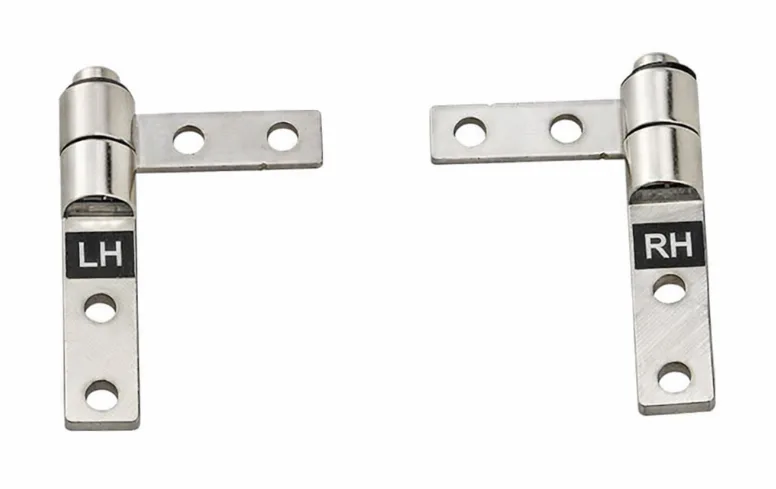
Um número de modelo partilhado não garante um verdadeiro par combinado. Mesmo em dobradiças de binário de alta qualidade, o comportamento real pode variar devido a diferenças de material de fricção, pré-carga de montagem, condição de lubrificação, empilhamento de tolerâncias e configuração direcional.
Na prática, uma especificação de par combinado significa normalmente que o fornecedor aplica controlos e rastreabilidade mais rigorosos para que as duas dobradiças se comportem de forma suficientemente próxima na montagem real.
- Janela de binário mais estreita: ambas as dobradiças estão dentro de uma faixa mais apertada.
- Emparelhamento correto da direção: LH/RH ou CW/CCW é controlado corretamente.
- Sensação de fricção mais consistente: o binário de arranque e o binário de funcionamento estão mais próximos.
- Agrupamento e rastreabilidade das fábricas: As identificações de pares e os registos apoiam a inspeção de entrada.
Os métodos comuns dos fornecedores incluem o emparelhamento de lotes, o emparelhamento espelho esquerdo-direito e a ligação em série ou de registos através da ID de pares.
Principais razões para especificar dobradiças de torque de pares combinados
O empilhamento de tolerâncias não é médio
Uma única dobradiça pode parecer aceitável por si só, mas num sistema de dobradiça dupla o utilizador sente a resistência combinada e a diferença esquerda-direita. A dispersão do binário não é "média" em estruturas paralelas. Torna-se visível como uma sensação de movimento desigual e um comportamento de preensão instável.
O binário desequilibrado cria uma carga deslocada
Quando um lado produz maior resistência, essa dobradiça tende a absorver mais da carga operacional e dissipar mais energia. Isto transfere a tensão para suportes, orifícios, saliências de plástico ou chapas finas à volta da zona da dobradiça. Quanto mais largo for o painel e mais longo for o braço de alavanca, mais grave se torna esta situação.
As estantes aumentam o ruído e o risco cosmético
O desfasamento entre a esquerda e a direita introduz uma ligeira torção durante o movimento. Esse efeito de oscilação aumenta a interferência nas extremidades, o rangido, o ruído de clique, a inconsistência visível da folga e as marcas de fricção locais. Os pares emparelhados ajudam a reduzir a possibilidade de o próprio conjunto de dobradiças se tornar a principal causa de problemas estéticos e de tato.
ΔT O crescimento é importante para a vida
O lado de binário mais elevado desgasta-se frequentemente mais depressa, o que significa que a diferença esquerda-direita pode aumentar com o ciclismo. Em produtos reais, o crescimento da ΔT O tempo de vida útil pode ser mais importante do que o valor de binário absoluto inicial, especialmente em produtos que requerem posições de fixação estáveis e uma sensação tátil de qualidade superior.
Inadequação da tolerância e consequências a nível do sistema
| Problema de incompatibilidade de pares | Efeito de sistema | Sintoma visível | Porque é que é importante |
|---|---|---|---|
| ΔT demasiado grande | Repartição desigual da carga | Inclinação ou retorno elástico | A fixação torna-se instável |
| Desfasamento do atrito de rutura | Sensação de abertura não uniforme | Um lado apanha primeiro | A experiência do utilizador degrada-se |
| Desfasamento de histerese | Resposta diferente de abertura/fecho | Ressalto ou sensação de retorno irregular | Diminuição da repetibilidade do movimento |
| Orientação LH/RH incorrecta | Trajetória de movimento assimétrica | Inclinação, marcas de fricção, interferência | Aumenta o risco de erro de montagem |
| Rastreabilidade deficiente | Variação de entrada desconhecida | Reclamações de campo inconsistentes | A análise da causa raiz torna-se mais difícil |
Aplicações que mais beneficiam de pares emparelhados
- Painéis largos e portas longas com alavanca: as diferenças entre a esquerda e a direita são ampliadas pela geometria.
- Coberturas de equipamentos industriais e portas de armários: a manutenção do ângulo e o movimento silencioso são importantes para uma longa vida útil.
- Suportes de monitores, terminais e suportes de ecrãs: a sensação de qualidade superior e a repetição do movimento fazem parte do valor do produto.
- Painéis de equipamento médico e coberturas de ecrãs: O movimento previsível e a fixação estável são especialmente importantes. Para um contexto médico mais alargado, consultar seleção de dobradiças de binário para dispositivos médicos.
- Estruturas de plástico ou de chapa fina: a carga assimétrica aumenta a fluência, o alongamento do furo e o risco de inclinação a longo prazo.
As aplicações mais pequenas, mais leves e com uma única dobradiça podem nem sempre necessitar de pares totalmente combinados, mas quando a sensação de fixação estável, a qualidade cosmética ou a consistência da produção em massa se tornam importantes, a entrega de pares combinados é normalmente a opção mais segura.
Guia de decisão rápida: Pares emparelhados vs unidades padrão
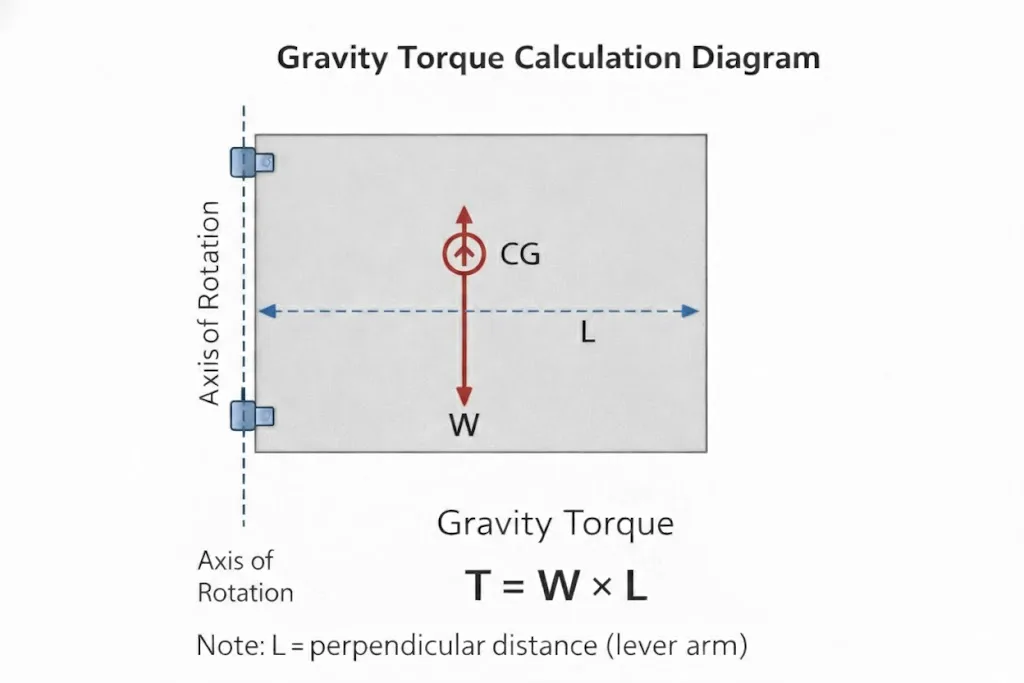
Os pares combinados são normalmente a melhor escolha quando:
- o painel é largo e o centro de gravidade está afastado do eixo da dobradiça
- a fixação estável em vários ângulos é um requisito essencial
- a consistência esquerda-direita afecta as lacunas cosméticas, o ruído ou a sensação tátil
- a estrutura é sensível à deformação, inclinação ou variação de montagem
Se ainda precisar de determinar o binário total, o fator de segurança ou o tamanho da dobradiça antes de decidir sobre os pares combinados, continue com o guia de seleção de dobradiças de binário.
Guia rápido de aquisições (o que comprar e como aceitar)
Especificação de compra: 5 linhas que podem ser copiadas para o pedido/especificação
- Entrega e identificação de pares emparelhados: As dobradiças devem ser fornecidas em pares, cada uma com um ID do par na embalagem e na peça, se possível.
- Gama de binários de articulação simples: Definir T = xx-xx N-m por dobradiça, com indicação clara do ângulo de ensaio, da velocidade e da temperatura.
- Requisito de coerência dos pares: Definir ΔT ≤ xx N-m ou ≤ x% em pontos angulares específicos, como 30° / 60° / 90°.
- Requisito de direção: Exigir o correto LH/RH ou CW/CCW marcação de acordo com o desenho.
- Requisito de rastreabilidade: O fornecedor deve fornecer a rastreabilidade da identificação do par com o lote, o registo de inspeção ou o resumo do ensaio.
Inspeção de entrada: 3 controlos simples
- Verificar a identificação do par e as marcações de direção antes do carregamento da linha.
- Consistência do binário de amostragem em ângulos fixos nas mesmas condições e verificar o requisito ΔT.
- Efetuar uma breve verificação da sensação de montagem num aparelho representativo para confirmar que não há distorção anormal, ruído ou ligação.
Como redigir um caderno de encargos que funcione tanto para o aprovisionamento como para a engenharia
Uma especificação forte de pares emparelhados deve ser fácil de comprar, fácil de inspecionar e fácil de verificar. A estrutura mais prática é:
- Emparelhamento e rastreabilidade: Método de identificação, rotulagem e agrupamento de pares
- Binário e direção: binário de articulação simples, ΔT, LH/RH ou CW/CCW
- Condições de ensaio e registos: ângulo, velocidade, temperatura e formato dos dados
- Vida e ambiente: objetivo do ciclo, método ambiental, requisitos de entrada e de corrosão, quando necessário
Esta estrutura torna a comunicação com os fornecedores mais simples e ajuda as equipas de qualidade a inspecionar os pares combinados com menos ambiguidade.
Verificação da amostra (Amostra → Ciclo → Reensaio → Registo)
- Teste em montagens reais: utilizar a rigidez representativa do painel e o espaçamento das charneiras.
- Avaliação de ângulo fixo: registar a preensão e a sensação em pontos definidos, como 0°, 30°, 60° e 90°.
- Voltar a testar após o ciclo: centram-se na deriva do binário e no crescimento de ΔT, e não apenas no binário inicial.
- Registar os indicadores estruturais: O desvio do furo, a alteração da folga e a rigidez do painel ajudam a separar os problemas de estrutura dos problemas do par de dobradiças.
Pontos de controlo da montagem e do processo
- Coerência de direção: executar corretamente LH/RH e CW/CCW de acordo com o desenho.
- Controlo do furo e do eixo: evitar a montagem forçada e a coaxialidade deficiente.
- Consistência da pré-carga e da fixação: normalizar a sequência de aperto e o controlo das ferramentas, se necessário.
- Espaçamento e rigidez: um espaçamento maior entre as dobradiças aumenta a sensibilidade a ΔT e à polarização estrutural.
Se os eixos das dobradiças, as posições dos furos ou o empilhamento da montagem não forem controlados corretamente, o sistema pode imitar uma incompatibilidade de pares, mesmo quando o próprio par de dobradiças é aceitável. É por isso que o controlo da instalação e do alinhamento deve ser revisto em conjunto com a lógica de emparelhamento das dobradiças.
Dobradiça de torque FAQ
Q1: Qual é a diferença entre um par combinado e duas unidades do mesmo modelo?
Um par combinado centra-se na consistência e rastreabilidade do par. Duas dobradiças do mesmo modelo podem ter uma distribuição de binário e de fricção mais alargada.
P2: O ajustamento da montagem pode corrigir dobradiças desajustadas?
O ajuste temporário da sensação pode esconder diferenças óbvias, mas pode introduzir pré-tensão estrutural. A consistência a longo prazo é melhor conseguida através de uma especificação de emparelhamento mais rigorosa e de uma verificação repetível.
P3: É realmente necessário especificar LH/RH ou CW/CCW?
Sim, quando a direção afecta o comportamento de fixação ou a orientação da instalação. Uma marcação clara da direção reduz os erros de montagem e as falhas no terreno.
Q4: Porque é que os pares combinados são mais caros?
O prémio provém normalmente da gestão da triagem, do agrupamento, da identificação e da rastreabilidade, mas reduz frequentemente a perda de rendimento, o retrabalho e os litígios de qualidade posteriores.
Q5: Por que razão devemos preocupar-nos com ΔT em vez de apenas com o binário absoluto?
Porque a sensação do sistema e o equilíbrio estrutural em montagens de articulação dupla dependem fortemente da diferença esquerda-direita. ΔT explica frequentemente os problemas do mundo real mais diretamente do que o valor médio do binário.
Conclusão
As dobradiças de binário de pares combinados são importantes porque os sistemas de dobradiça dupla amplificam as diferenças esquerda-direita em vez de as ocultarem. Quando o binário, a fricção de rutura, a histerese ou a direção não são suficientemente controlados, o sistema torna-se mais propenso a distorções, sensação irregular, ruído, inclinação e desgaste mais rápido de um lado.
A estratégia de implementação mais prática é simples: definir a entrega do par combinado, especificar o binário de articulação simples e o ΔT do par em condições de teste claras, exigir a rastreabilidade e verificar a consistência antes e depois do ciclo. Esta abordagem dá às equipas de aquisição e de engenharia um caminho mais controlável desde a compra até à produção.
Apêndice: Normas de referência (agrupadas por objetivo)
Nota: Mantenha o corpo principal focado no que comprar, como inspecionar e como validar. Utilize este apêndice como a biblioteca de engenharia ao escrever planos de teste e especificações do projeto.
- Quadro de ciclo / desgaste / fricção / resistência: ANSI/BHMA A156.1
- Métodos ambientais: Série IEC 60068
- Proteção contra a entrada: IEC 60529
- Classificação da corrosão: PT 1670
- Referências de salitre: ISO 9227; ASTM B117
- Referências de durabilidade de dobradiças de móveis/gabinetes: EN 15570
- Contexto de classificação de dobradiças de eixo único: PT 1935
- Calibração da ferramenta de binário: ISO 6789-2
- Contexto ambiental dos veículos pesados: SAE J1455



 Português
  English
  한국어
한국어  Русский
  Español
  Italiano
  Deutsch
  Français