

Bisagras de par de torsión emparejado: Por qué son importantes en los sistemas de bisagra doble
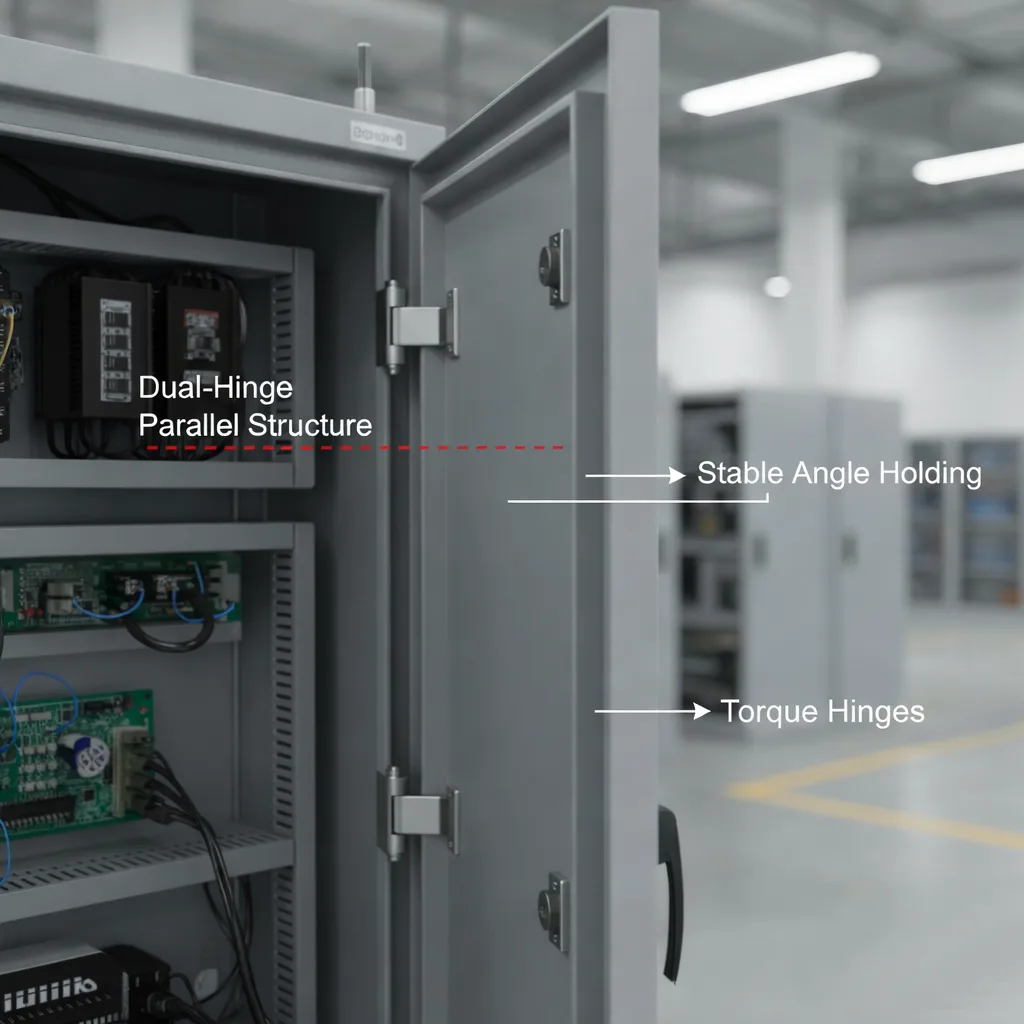
¿Por qué las bisagras de torsión requieren pares emparejados?
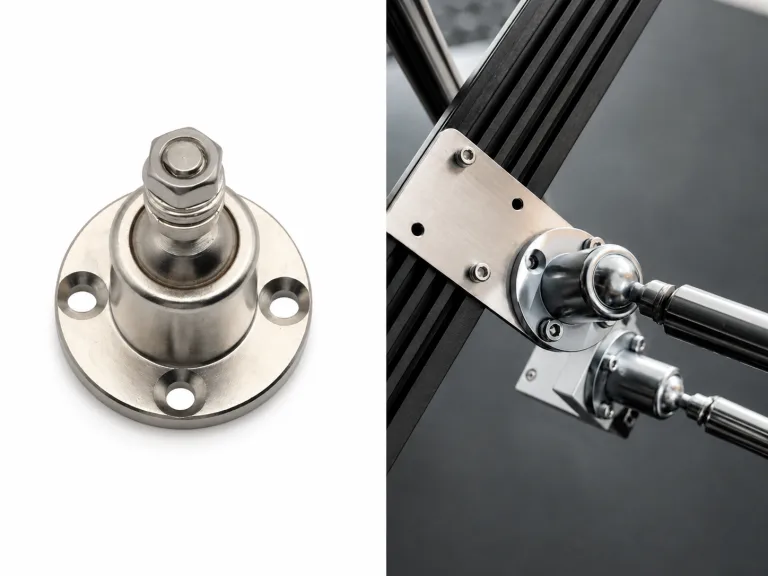
En los sistemas de doble bisagra, dos bisagras con el mismo número de modelo no son automáticamente equivalentes en comportamiento de par real. Las pequeñas diferencias izquierda-derecha en el par, la fricción de arranque, la histéresis o la dirección pueden hacerse visibles a nivel del sistema en forma de inclinación, tacto desigual, ruido, sujeción inestable y desgaste más rápido de un solo lado.
Por eso muchos equipos de ingenieros especifican bisagras de par de torsión emparejadas en lugar de pedir simplemente dos unidades estándar. Un par emparejado reduce la variabilidad izquierda-derecha seleccionando, agrupando e identificando dos bisagras que se comportan lo suficientemente cerca como para mejorar el mantenimiento del ángulo, la consistencia del movimiento y el control de calidad de entrada.
Esta página se centra específicamente en pares emparejados en sistemas de doble bisagra. Para obtener una visión general más amplia de la familia de productos, consulte nuestra página bisagras de torsión página. Si aún necesita dimensionar el par de apriete, comprobar el factor de seguridad o elegir primero el tipo de bisagra, continúe con la página guía de selección de bisagras dinamométricas.
¿Qué ocurre cuando dos bisagras no coinciden correctamente?
En una estructura paralela de doble bisagra, las bisagras izquierda y derecha resisten el movimiento al mismo tiempo y comparten la carga del sistema. Si una de las bisagras tiene un par de torsión más elevado, una mayor fricción de arranque o un tacto de rodadura diferente, el conjunto deja de comportarse de forma simétrica.
- Reparto desigual de la carga: un lado lleva más momento y se desgasta más rápido.
- Inclinación y trasiego: el panel se retuerce ligeramente durante el movimiento.
- Ruido y marcas de roce: Los bordes contactan antes en un lado que en el otro.
- Escasa estabilidad de sujeción: es más probable que se produzcan caídas, retrocesos o paradas incoherentes.
- Peor rendimiento de la producción en serie: la línea depende más de la sensación subjetiva de ajuste y reajuste.
Cuando este tipo de incoherencia izquierda-derecha provoque caída, deriva o un rendimiento inestable de la sujeción, revise nuestro guía de pandeo de la bisagra de torsión para la ruta de diagnóstico más amplia.
Definición de bisagras de torsión de pares emparejados
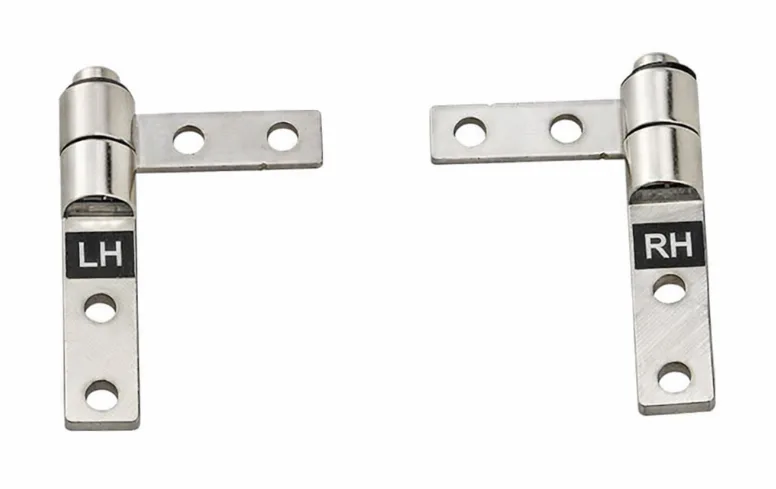
Un número de modelo compartido no garantiza un verdadero par coincidente. Incluso dentro de las bisagras de torsión de alta calidad, el comportamiento real puede variar debido a las diferencias en el material de fricción, la precarga de montaje, el estado de lubricación, el apilamiento de tolerancias y la configuración direccional.
En la práctica, una especificación de par emparejado suele significar que el proveedor aplica controles y una trazabilidad más estrictos para que las dos bisagras se comporten de forma suficientemente parecida en el montaje real.
- Ventana de par más cercana: ambas bisagras caen dentro de una banda más estrecha.
- Emparejamiento de dirección correcto: LH/RH o CW/CCW se controla correctamente.
- Sensación de fricción más consistente: el par de arranque y de marcha están más cerca.
- Agrupación de fábricas y trazabilidad: Las identificaciones de pares y los registros apoyan la inspección de entrada.
Entre los métodos habituales de los proveedores se encuentran el binning por lotes, el emparejamiento en espejo izquierda-derecha y el emparejamiento en serie o por registro mediante Pair ID.
Razones principales para especificar bisagras de par de torsión emparejadas
El apilamiento de tolerancias no alcanza la media
Una sola bisagra puede resultar aceptable por sí sola, pero en un sistema de doble bisagra el usuario experimenta la resistencia combinada y la diferencia izquierda-derecha. La dispersión del par no se "equilibra" en las estructuras paralelas. Se hace visible como una sensación de movimiento desigual y un comportamiento de sujeción inestable.
Un par desequilibrado crea una carga desplazada
Cuando un lado produce mayor resistencia, esa bisagra tiende a absorber más carga de funcionamiento y a disipar más energía. Esto desplaza la tensión hacia soportes, orificios, salientes de plástico o chapas finas alrededor de la zona de la bisagra. Cuanto más ancho sea el panel y más largo el brazo de palanca, más grave será esta situación.
Las estanterías aumentan el ruido y el riesgo estético
El desajuste izquierda-derecha introduce una ligera torsión durante el movimiento. Este efecto aumenta las interferencias en los bordes, los chirridos, el ruido de clic, las incoherencias visibles en la separación y las marcas de roce locales. Los pares emparejados ayudan a reducir la posibilidad de que el propio juego de bisagras se convierta en la causa principal de los problemas estéticos y de tacto.
ΔT El crecimiento importa sobre la vida
El lado de mayor par suele desgastarse más rápido, lo que significa que la diferencia izquierda-derecha puede aumentar con el ciclismo. En productos reales, el crecimiento de ΔT a lo largo de la vida útil puede importar más que el valor de par absoluto inicial, especialmente en productos que requieren posiciones de sujeción estables y una sensación táctil de primera calidad.
Desajuste de tolerancia y consecuencias para el sistema
| Problema de desajuste de pares | Efecto del sistema | Síntoma visible | Por qué es importante |
|---|---|---|---|
| ΔT demasiado grande | Reparto desigual de la carga | Caída o retroceso | La sujeción se vuelve inestable |
| Desajuste de la fricción de arranque | Tacto de apertura no uniforme | Un lado atrapa primero | La experiencia del usuario se degrada |
| Desajuste de histéresis | Respuesta de apertura/cierre diferente | Sensación de rebote o retorno irregular | Cae la repetibilidad del movimiento |
| Orientación LH/RH incorrecta | Trayectoria de movimiento asimétrica | Desviación, marcas de roce, interferencias | Aumenta el riesgo de error en el montaje |
| Trazabilidad deficiente | Variación entrante desconocida | Quejas incoherentes sobre el terreno | El análisis de causas es más difícil |
Las aplicaciones que más se benefician de los pares coincidentes
- Paneles anchos y puertas largas de palanca: Las diferencias izquierda-derecha se magnifican por la geometría.
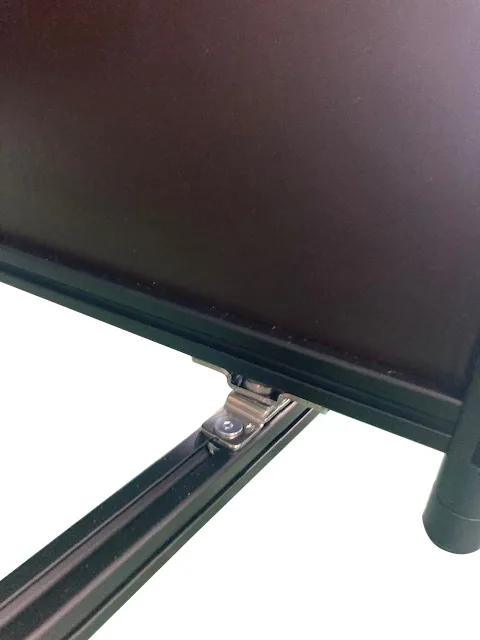
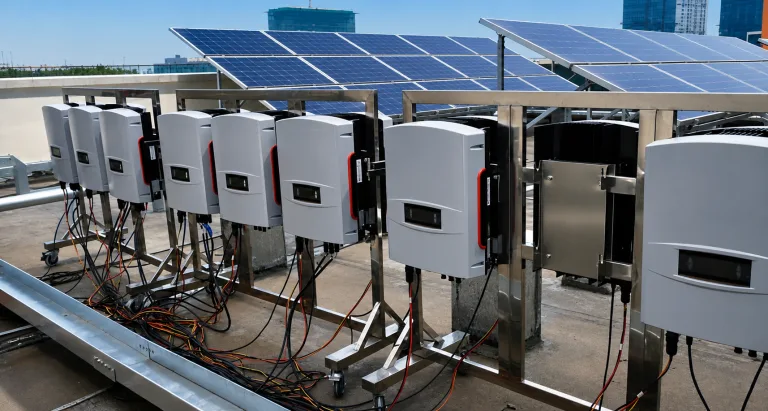
- Cubiertas de equipos industriales y puertas de armarios: el mantenimiento del ángulo y el movimiento silencioso son importantes para una larga vida útil.
- Soportes para monitores, terminales y pantallas: El tacto de primera calidad y el movimiento repetible forman parte del valor del producto.
- Paneles de equipos médicos y cubiertas de expositores: El movimiento predecible y la sujeción estable son especialmente importantes. Para un contexto médico más amplio, revise selección de bisagras de torsión para dispositivos médicos.
- Estructuras de plástico o chapa fina: La carga asimétrica aumenta la fluencia, el alargamiento de los orificios y el riesgo de inclinación a largo plazo.
Las aplicaciones más pequeñas, ligeras y de una sola bisagra no siempre necesitan pares totalmente emparejados, pero una vez que la sensación de sujeción estable, la calidad estética o la consistencia de la producción en serie se vuelven importantes, la entrega de pares emparejados suele ser la opción más segura por defecto.
Guía rápida de decisiones: Pares emparejados frente a unidades estándar
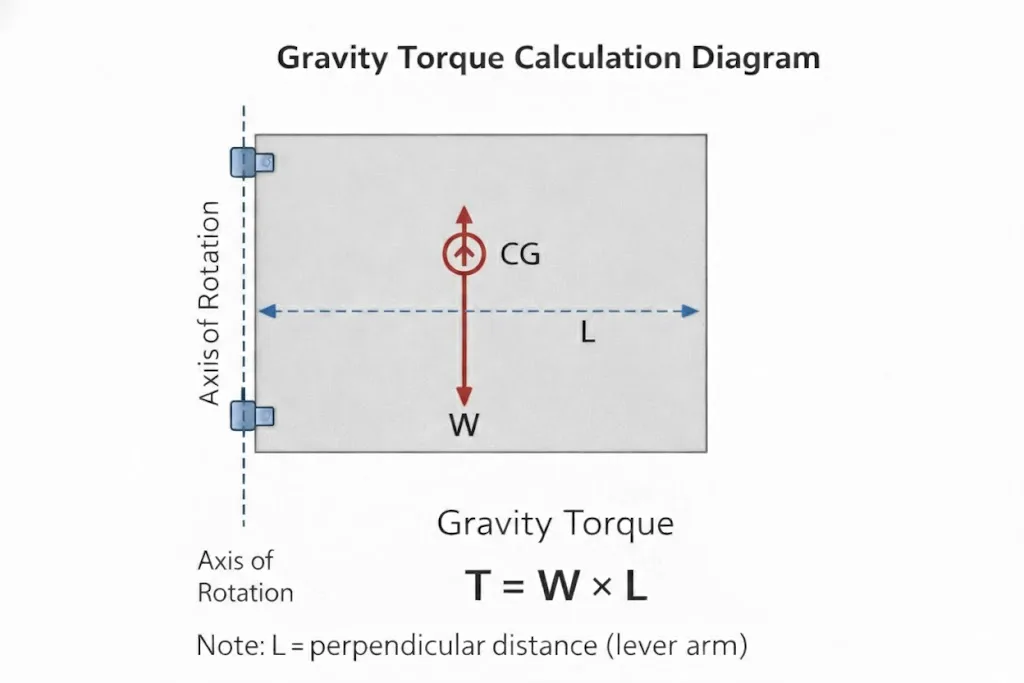
Los pares iguales suelen ser la mejor opción cuando:
- el panel es ancho y el centro de gravedad está lejos del eje de la bisagra
- la sujeción estable en múltiples ángulos es un requisito esencial
- la coherencia izquierda-derecha afecta a los huecos estéticos, el ruido o la sensación táctil
- la estructura es sensible a la fluencia, la inclinación o la variación de montaje
Si aún necesita determinar el par total, el factor de seguridad o el tamaño de las bisagras antes de decidirse por los pares emparejados, continúe con la sección guía de selección de bisagras dinamométricas.
Guía rápida de adquisiciones (qué comprar y cómo aceptar)
Especificación de compra: 5 líneas que puede copiar en PO / Spec
- Entrega e identificación de pares emparejados: Las bisagras deben entregarse como pares emparejados, cada uno con un Identificación de pares en el envase y en la pieza, si es posible.
- Rango de par de una sola bisagra: Defina T = xx-xx N-m por bisagra, indicando claramente el ángulo de ensayo, la velocidad y la temperatura.
- Requisito de coherencia de pares: Defina ΔT ≤ xx N-m o ≤ x% en puntos angulares específicos como 30° / 60° / 90°.
- Requisito de dirección: Requerir correcto LH/RH o CW/CCW marcado según el dibujo.
- Requisito de trazabilidad: El proveedor debe proporcionar la trazabilidad del ID de par con el lote, el registro de inspección o el resumen de la prueba.
Inspección entrante: 3 comprobaciones sencillas
- Compruebe la identificación del par y las marcas de dirección antes de cargar la línea.
- Consistencia del par de muestreo en ángulos fijos en las mismas condiciones y verificar el requisito ΔT.
- Realice una breve comprobación de la sensación de montaje en un aparato representativo para confirmar que no hay desviaciones, ruidos o atascos anormales.
Cómo redactar unas especificaciones que sirvan tanto para la contratación como para la ingeniería
Una especificación sólida de pares coincidentes debe ser fácil de comprar, fácil de inspeccionar y fácil de verificar. La estructura más práctica es:
- Emparejamiento y trazabilidad: Método de identificación, etiquetado y agrupación de pares
- Par y dirección: torsión de bisagra única, ΔT, LH/RH o CW/CCW
- Condiciones de ensayo y registros: ángulo, velocidad, temperatura y formato de los datos
- Vida y medio ambiente: objetivo de ciclo, método medioambiental, requisitos de entrada y corrosión cuando sea necesario
Esta estructura hace que la comunicación con los proveedores sea más limpia y ayuda a los equipos de calidad a inspeccionar los pares coincidentes con menos ambigüedad.
Verificación de muestras (Muestra → Ciclo → Reanálisis → Registro)
- Pruebe en montajes reales: utilizar una rigidez de panel y una distancia entre bisagras representativas.
- Evaluación de ángulo fijo: registrar la sujeción y la sensación en puntos definidos como 0°, 30°, 60° y 90°.
- Vuelva a realizar la prueba después del ciclo: se centran en la deriva del par y el crecimiento del ΔT, no sólo en el par inicial.
- Registrar indicadores estructurales: La desviación del orificio, el cambio de separación y la rigidez del panel ayudan a separar los problemas de estructura de los problemas de pares de bisagras.
Puntos de control de montaje y proceso
- Coherencia de la dirección: ejecutar LH/RH y CW/CCW correctamente según el dibujo.
- Control de taladros y ejes: evitar un montaje forzado y una coaxialidad deficiente.
- Precarga y consistencia de fijación: normalizar la secuencia de apriete y el control de las herramientas cuando sea necesario.
- Espaciado y rigidez: una mayor separación entre bisagras aumenta la sensibilidad a ΔT y al sesgo estructural.
Si los ejes de las bisagras, las posiciones de los orificios o el apilamiento de montaje no se controlan correctamente, el sistema puede imitar un emparejamiento incorrecto aunque el propio par de bisagras sea aceptable. Por este motivo, el control de la instalación y la alineación debe revisarse junto con la lógica de emparejamiento de bisagras.
Preguntas frecuentes sobre bisagras dinamométricas
P1: ¿Qué diferencia hay entre un par emparejado y dos unidades del mismo modelo?
Un par emparejado se centra en la coherencia y la trazabilidad del par. Dos bisagras del mismo modelo pueden tener una distribución de par y fricción más amplia.
P2: ¿Puede el ajuste de montaje arreglar bisagras desajustadas?
El ajuste temporal del tacto puede ocultar diferencias obvias, pero puede introducir tensiones estructurales previas. La coherencia a largo plazo se consigue mejor mediante una especificación de emparejamiento más estricta y una verificación repetible.
P3: ¿Es realmente necesario especificar LH/RH o CW/CCW?
Sí, cuando la dirección afecta al comportamiento de sujeción o a la orientación de la instalación. Un marcado claro de la dirección reduce los errores de montaje y los fallos sobre el terreno.
P4: ¿Por qué cuestan más los pares emparejados?
La prima suele proceder de la gestión del cribado, la agrupación, la identificación y la trazabilidad, pero a menudo reduce las pérdidas de rendimiento, la repetición de trabajos y las disputas sobre calidad posteriores.
P5: ¿Por qué debería importarnos ΔT en lugar de sólo el par absoluto?
Porque la sensación del sistema y el equilibrio estructural en montajes de doble bisagra dependen en gran medida de la diferencia izquierda-derecha. ΔT suele explicar los problemas del mundo real de forma más directa que el valor de par medio.
Conclusión
Las bisagras con par de torsión emparejado son importantes porque los sistemas de doble bisagra amplifican las diferencias izquierda-derecha en lugar de ocultarlas. Cuando el par, la fricción de arranque, la histéresis o la dirección no se controlan lo suficiente, el sistema se vuelve más propenso a la inclinación, la sensación desigual, el ruido, la caída y el desgaste más rápido de un solo lado.
La estrategia de aplicación más práctica es sencilla: definir la entrega de pares emparejados, especificar el par de una bisagra y el par ΔT en condiciones de prueba claras, exigir la trazabilidad y verificar la coherencia antes y después del ciclo. Este enfoque ofrece a los equipos de compras y de ingeniería una ruta más controlable desde la compra hasta la producción.
Apéndice: Normas de referencia (agrupadas por finalidad)
Nota: Mantenga el cuerpo principal centrado en qué comprar, cómo inspeccionar y cómo validar. Utilice este apéndice como biblioteca de ingeniería cuando redacte planes de pruebas y especificaciones de proyectos.
- Ciclo / desgaste / fricción / marco de resistencia: ANSI/BHMA A156.1
- Métodos medioambientales: Serie IEC 60068
- Protección contra la penetración: IEC 60529
- Clasificación de la corrosión: EN 1670
- Referencias de niebla salina: ISO 9227; ASTM B117
- Referencias de durabilidad de bisagras de muebles/gabinetes: EN 15570
- Contexto de la clasificación de bisagras de un eje: ES 1935
- Calibración de la herramienta de par: ISO 6789-2
- Contexto medioambiental de los vehículos pesados: SAE J1455


 Español
  English
  한국어
한국어  Русский
  Italiano
  Deutsch
  Français
  Português