

Почему для динамометрических петель требуются согласованные пары? (Техническое руководство)
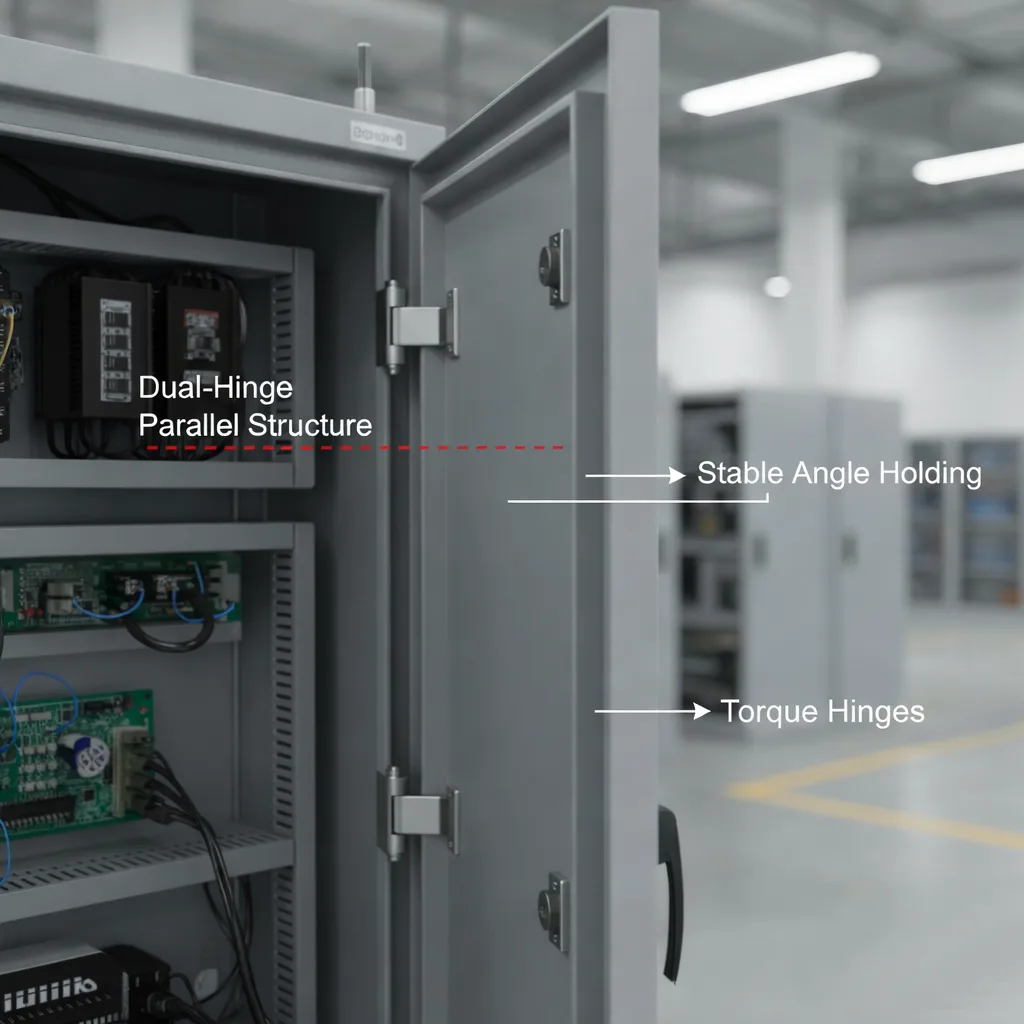
Почему для динамометрических петель часто требуются пары?
Динамометрические петли широко используются в подставках для мониторов, крышках для оборудования, дверцах шкафов, люках и панелях для медицинских приборов. Для всех этих изделий инженерные группы обычно отдают предпочтение трем характеристикам: (1) стабильная фиксация угла, (2) постоянное ощущение при работе и (3) надежная работа после длительной циклической эксплуатации.
В двухшарнирной параллельной конструкции левый и правый шарниры противостоят движению и одновременно распределяют нагрузку. Если оба шарнира существенно отличаются по крутящему моменту, трению отрыва или гистерезису, система становится склонной к перекосу, сцеплению, шуму и ускоренному износу одной стороны.
Чтобы снизить эти риски, многие поставщики предлагают "подобранные пары". Этот процесс включает в себя заводской отбор, группировку и определение двух петель - часто высокопроизводительных Петли с постоянным крутящим моментом-которые ведут себя достаточно близко, чтобы уменьшить вариабельность слева направо, обеспечивая повторяемость проверки и стандартизацию входного контроля.
Краткое руководство по закупкам (что покупать и как принимать)
Когда настоятельно рекомендуется подбирать пары
Укажите совпадающие пары, если в вашем проекте используются Фрикционные петли в любом из следующих сценариев:
- Широкие панели / длинный рычаг: Центр тяжести находится далеко от оси шарнира, что делает систему чувствительной к перепадам слева направо.
- Сильное требование "держать": Панель должна выдерживать стабильные углы без проседания, пружинения или неравномерности - обычная проблема для стандартных панелей. Позиционирование петель.
- Косметическая и шумовая чувствительность: Видимые зазоры, следы трения, скрип/щелчки или приятные тактильные ощущения являются ключевыми показателями качества.
- Пластиковые конструкции / конструкции из тонколистового металла: отверстия могут удлиняться, а детали деформироваться при асимметричной нагрузке, что со временем увеличивает риск перекоса.
Спецификация закупки: 5 строк, которые можно скопировать в PO / Spec
Используйте следующие пункты в качестве практичного, удобного для покупателя положения о покупке с использованием пар. Эти строки также помогают инженерам быстрее проверять и устранять неполадки.
- Доставка и идентификация подобранных пар: Петли должны поставляться парами. Каждая пара должна иметь Идентификатор пары на этикетке/упаковке (и на детали, если это возможно), чтобы избежать перепутывания.
- Диапазон крутящего момента для одной петли (T): Обеспечить диапазон крутящего момента T = xx-xx Н-м на петлю, включая угол испытания, скорость тестирования, и температура испытания используемые поставщиком.
- Согласованность пар (ΔT): Для каждой подобранной пары разница крутящих моментов слева и справа должна удовлетворять требованиям ΔT ≤ xx Н-м (или ≤ x%). Определите угол (углы), на котором оценивается ΔT (например, 30°/60°/90°).
- Требования к направлению: Поставщик должен предоставить правильную LH/RH или CW/CCW Комбинируйте их в соответствии с чертежом и четко обозначьте направление, чтобы избежать ошибок при сборке.
- Прослеживаемость / заводской учет: Поставщик должен обеспечить прослеживаемость по идентификатору пары (коду партии, протоколу осмотра или сводке данных испытаний). Как минимум: данные о начальном крутящем моменте в указанных угловых точках; при необходимости добавьте данные о сроке службы после циклического режима.
Входящая инспекция: 3 простые проверки
- Проверьте идентификатор пары и маркировку направления: Перед загрузкой линии убедитесь в целостности пары и правильности соотношения LH/RH (или CW/CCW).
- Быстрая выборка консистенции крутящего момента: отберите n пар, проведите измерения под фиксированными углами (обычно 30°/60°/90°) при одинаковых условиях и проверьте требование ΔT.
- Проверка качества сборки и перекоса: установите на представительный светильник/панель и проведите короткое испытание в режиме "открыть-закрыть", чтобы убедиться в отсутствии ненормального сцепления, шума или видимого перекоса.
Определение парных крутящих моментов в петлях
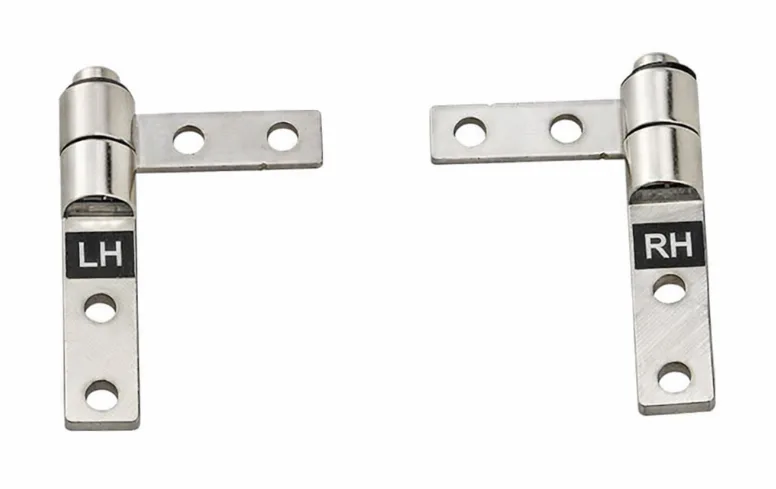
Общий номер модели не гарантирует совпадения пары. Даже в высококачественных Петли с постоянным крутящим моментомРаспределение крутящего момента может меняться из-за различий в партиях материалов, разницы в парах трения, предварительной нагрузки и состояния смазки. Согласованная пара" обычно означает, что поставщик применяет более строгий контроль и обеспечивает идентификацию, поэтому в реальной сборке оба шарнира ведут себя одинаково.
На практике спецификация подобранной пары обычно включает в себя:
- Более тесное окно крутящего момента: Оба шарнира находятся в более узком диапазоне крутящего момента, что позволяет поддерживать бюджетный крутящий момент в системе.
- Последовательное направление: двунаправленное или однонаправленное поведение соответствует предполагаемой ориентации установки LH/RH или CW/CCW.
- Аналогичное ощущение трения: момент отрыва и крутящий момент на ходу ближе; гистерезис (разница в ощущениях между открытием и закрытием) более устойчив.
- Группировка и прослеживаемость фабрик: Идентификаторы пар, этикетки или серийное сопряжение позволяют проводить входной контроль и отслеживать качество.
Распространенные методы сопряжения поставщиков:
- Пакетное бинирование: отсеивайте шарниры в заданном интервале крутящего момента и сопрягайте их в пределах этого более узкого окна.
- Сопряжение левого и правого зеркал (LH/RH): убедитесь, что направление крутящего момента остается правильным после изменения ориентации установки.
- Серийный / рекордный переплет: Идентификатор пары или серийное сопряжение связывают записи заводских испытаний с поставленной парой для отслеживания.
Основные причины, по которым следует выбирать петли с крутящим моментом в паре
Укладка допусков Не "усредняется" при параллельной работе
Шарниры с крутящим моментом создают сопротивление через фрикционные интерфейсы и конструкции предварительного натяжения. Допуски на изготовление, различие материалов трения и разница в предварительной нагрузке при сборке создают разброс крутящего момента. Одиночный шарнир сам по себе может казаться приемлемым, но в системе с двумя шарнирами пользователь ощущает комбинированное сопротивление и разницу между левым и правым шарнирами. Вместо того чтобы усредняться, несоответствия в Позиционирование петель проявляются в виде неравномерного ощущения, перекоса и несовпадения углов удержания.
Практический совет по составлению спецификаций: укажите диапазон крутящего момента на одной петле (Н-м) и четко определите угол испытания, скорость и температуру. Затем добавьте требование к согласованности пар (окно ΔT) и потребуйте от поставщика описания сопряжения и идентификации.
Несбалансированный крутящий момент увеличивает нагрузку на смещение и повышает структурный риск
Две петли делят между собой вес двери и рабочий момент. Если одна петля создает больший крутящий момент или большее трение, то она, как правило, воспринимает больший момент и рассеивает больше энергии. Такой дисбаланс переносит риск на конструктивные элементы и крепеж, особенно на пластик или тонкий листовой металл. При использовании Петли с постоянным крутящим моментом В гибких корпусах увеличение локальной жесткости в шарнирных креплениях и контроль коаксиального выравнивания снижают чувствительность.
Примечание по дизайну для ID/ME: Несоответствие моментов усиливается при большой ширине панели, большом расстоянии между шарнирами или гибкости корпуса. Типичные пути разрушения включают: удлинение монтажных отверстий, перекос кронштейнов под нагрузкой и увеличение косметических зазоров из-за ползучести.
Уменьшение раскачивания и деформации Уменьшение шума и следов стирания
Когда левое и правое сопротивление различаются, панель испытывает небольшое скручивание (стойка). В результате этого кромки раньше соприкасаются с корпусом, что приводит к возникновению угловых помех, неравномерных зазоров, локальных потертостей и шума (скрип/щелчок/скрежет). Совмещенные пары уменьшают вероятность того, что сам набор петель станет основным фактором, вызывающим скручивание, что делает механические зазоры и косметическую настройку более предсказуемыми.
Совпадение пар замедляет рост различий между левшами и правшами в течение жизни
Сторона с большим крутящим моментом обычно рассеивает больше энергии и может быстрее изнашиваться, что увеличивает дрейф крутящего момента и увеличивает разницу между левым и правым углами циклов. Для изделий, требующих стабильных углов удержания и постоянных ощущений, проверка срока службы более эффективна при поэтапной регистрации:
- Изначально: Крутящий момент против угла (или данные по фиксированной угловой точке).
- После езды на велосипеде: повторить при тех же условиях.
- Тренд: отслеживайте, как ΔT изменяется с циклами (это часто важнее, чем абсолютное смещение крутящего момента).
Для команд, которым нужна структурированная система проверки циклов/износа/трения/прочности, ANSI/BHMA A156.1 можно использовать в качестве исходного базового уровня для определения и регистрации характеристик шарниров.
Совмещенные пары повышают производительность и снижают "настройку" линии
При массовом производстве боль обычно возникает из-за разброса партий и корректировки ощущений в режиме реального времени. Поставка парных изделий означает, что поставщик уже проверил, сгруппировал и промаркировал петли. Это снижает зависимость от субъективных ощущений оператора и помогает стандартизировать сборку, выборочные проверки и решения о доработке.
Если постоянство затяжки влияет на поведение шарнира (особенно если крепление влияет на выравнивание или преднатяг), внедрите контроль и калибровку динамометрического инструмента в производственный процесс.
Общие симптомы несоответствия крутящего момента петель
Несоответствующие пары часто выглядят как:
- Внезапное изменение сопротивления под определенным углом (одна сторона "ловит" или "отпускает").
- Плохая устойчивость держателя (отклонение или пружинистость).
- Неравномерные зазоры слева и справа или видимый перекос панели.
- Шум, следы потертостей или царапины по краям.
- Ощущения со временем ухудшаются, а разница между левой и правой сторонами увеличивается по мере использования.
Эти симптомы могут иметь множество причин (жесткость конструкции, центровка, зазоры, смазка, загрязнение). Ценность подобранных пар заключается в том, что они сначала сближают переменную "разница крутящего момента слева направо", что делает анализ первопричин более контролируемым.
Приложения, в которых наиболее выгодно использовать подобранные пары
Приложения с высокими преимуществами
- Крышки и двери шкафов для промышленного оборудования.
- Панели для медицинского оборудования и откидные крышки для дисплеев, где Петли с постоянным крутящим моментом обеспечивают бесперебойную работу.
- Терминалы самообслуживания, POS-системы и стойки с мониторами.
- Автомобильное оборудование / оборудование, устанавливаемое вне помещений, где вибрация, колебания температуры и влажность повышают чувствительность к изменчивости.
Для проектов, чувствительных к воздействию окружающей среды, определите в спецификации проекта методы проверки состояния окружающей среды и уровни серьезности. Сайт IEC 60068 Семейство может быть использовано в качестве библиотеки методов для планирования испытаний на температуру, влажное тепло, вибрацию и удар. Для определения условий эксплуатации большегрузных автомобилей (температурный/вибрационный контекст), SAE J1455 часто используется в качестве эталонного базового показателя для выражения условий службы.
Приложения, которым может потребоваться только оценка (не всегда совпадающие пары)
- Небольшие, малонагруженные обложки.
- Одноточечные шарнирные конструкции (только один моментный шарнир).
- Конструкции, в которых направляющие, демпферы или газовые пружины распределяют нагрузку и стабилизируют движение.
Если продукт все еще требует постоянства ощущений или стабильных углов фиксации, рассмотрите, по крайней мере, возможность группировки в одну партию или используйте поставку в паре, чтобы снизить риск вариабельности.
Краткое руководство по принятию решений: Совпадающие пары против стандартных единиц
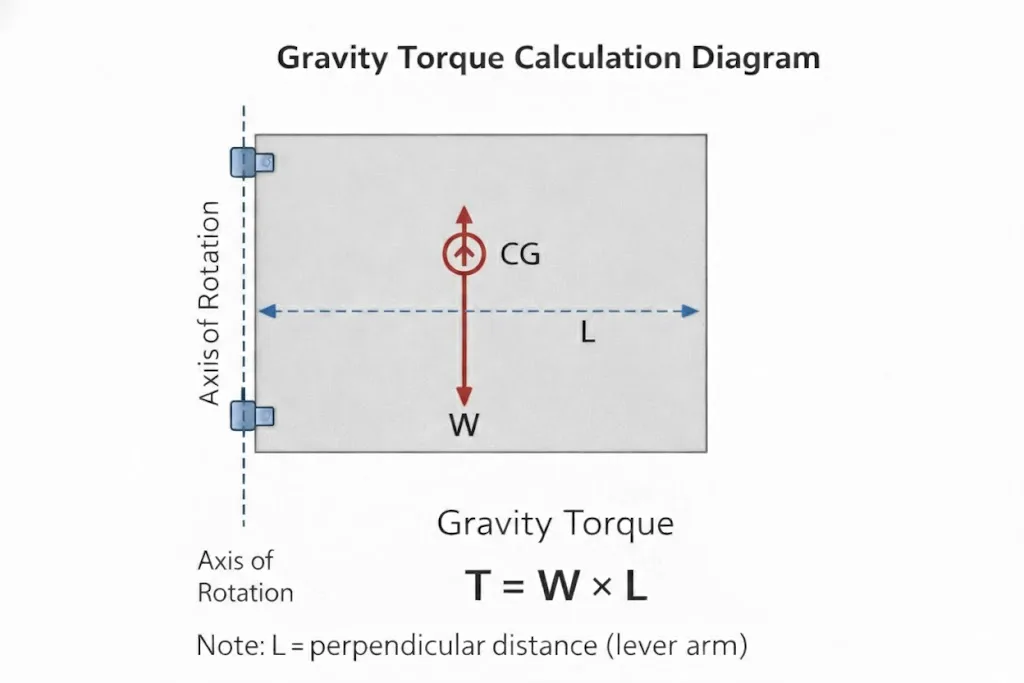
Совпадающие пары, как правило, лучше использовать по умолчанию:
- Панель широкая, а центр тяжести находится далеко от оси шарнира.
- Стабильное удержание под разными углами и приятные ощущения - основные требования к UX.
- Пластиковые детали и детали из тонкого листового металла делают сборку чувствительной к ползучести и удлинению отверстий.
Для составления крутящего бюджета используйте системное мышление:
- Гравитационный момент ≈ Вес × Расстояние от CG до оси поворота.
- Доступный крутящий момент системы ≈ Крутящий момент левой петли + крутящий момент правой петли (при симметричной установке).
Всегда проверяйте предельные значения с помощью репрезентативных образцов и четко определенного набора условий испытаний (угол, скорость, температура). Это позволит избежать несоответствия данных от лаборатории к лаборатории и от поставщика к поставщику.
Как написать спецификацию, которая подойдет и закупщикам, и инженерам
Надежную спецификацию динамометрических шарниров с сопряжением пар легко приобрести, легко проверить и легко подтвердить. Организуйте документ по четырем блокам: сопряжение и прослеживаемость, крутящий момент и направление, условия испытаний и записи, срок службы/окружающая среда/отделка.
Сопряжение и прослеживаемость
- Укажите, требуются ли подобранные пары.
- Определите правила идентификации пар / этикетки и требования к разделению упаковки.
- Требуйте от поставщика раскрытия информации о методе сопряжения (биннинг, зеркальное отображение LH/RH или последовательное/рекордное сопряжение).
Характеристики и направление крутящего момента
- Диапазон крутящего момента на одной петле (Н-м) и угол(ы) оценки.
- Индекс согласованности пар (предел ΔT или окно согласования) и метод оценки.
- Однонаправленный и двунаправленный крутящий момент; уточните ориентацию CW/CCW или LH/RH и требования к маркировке.
Условия испытаний и требования к записи
- Диапазон углов / угловые точки.
- Скорость и температура испытания (а также требования к состоянию смазки, если это необходимо).
- Требования к записям: первоначальная кривая крутящего момента или точечные данные; при необходимости добавьте записи по окончании срока службы.
Жизнь, окружающая среда, защита и отделка
- Срок службы: определить целевые циклы и критерии разрушения; использовать согласованную схему классификации циклов/износа/трения/прочности (при необходимости можно использовать ANSI/BHMA A156.1 в качестве основы).
- Окружающая среда: выбор и документирование испытаний на воздействие окружающей среды и строгость (семейство IEC 60068 в качестве библиотеки методов).
- Защита от проникновения (если требуется): указать целевую степень защиты IP и метод проверки (IEC 60529).
- Коррозия / отделка: Определите класс коррозии и метод проверки; уточните продолжительность воздействия и решение о прохождении/непрохождении в спецификации, а не полагайтесь только на общие формулировки о солевом тумане.
Проверка пробы (проба → цикл → повторный тест → запись)
Чтобы обеспечить воспроизводимость результатов проверки у разных поставщиков и лабораторий, структурируйте испытания следующим образом:
- Протестируйте на реальных сборках: используйте настоящие крышки или эквивалентные приспособления с репрезентативной жесткостью и расстоянием между шарнирами.
- Оценка с фиксированным углом: регистрируйте ощущения и удерживание в определенных точках (например, 0°, 30°, 60°, 90°).
- Повторное тестирование после циклов: сосредоточьтесь на дрейфе крутящего момента и росте ΔT, а не только на абсолютном изменении крутящего момента.
- Зафиксируйте структурные показатели: Отклонение отверстий, изменение зазоров и проверка жесткости панелей помогают избежать ошибочного отнесения конструктивных проблем к работе петли.
Точки контроля сборки и технологического процесса
- Согласованность направлений: Выполните монтаж LH/RH и CW/CCW в соответствии с чертежами и маркировкой.
- Отверстия и оси: Избегайте принудительной сборки; плохая соосность может создать внутреннее напряжение и вызвать симптомы "несоответствия шарниров".
- Предварительное натяжение / постоянство крепления: стандартизировать момент и последовательность затяжки; при необходимости сохранять записи о контроле инструмента.
- Расстояние и жесткость: Увеличение расстояния между петлями повышает чувствительность к ΔT; оцените расстояние между петлями вместе с жесткостью панели и стратегией косметического зазора.
Часто задаваемые вопросы о динамометрических петлях
Вопрос 1: В чем ключевое различие между подобранной парой и двумя единицами одной модели?
В парах уделяется особое внимание согласованность пар и прослеживаемость. Шарниры одной и той же модели могут иметь более широкое распределение крутящего момента и трения. Сопоставленные пары обычно включают в себя отбор, группировку, идентификацию и (часто) лучшую привязку записей.
Вопрос 2: Можно ли с помощью регулировки сборки исправить несовпадение петель?
Краткосрочная настройка на ощупь может уменьшить очевидные различия, но она может внести структурные предварительные напряжения и создать долгосрочные риски. Долгосрочная согласованность лучше всего достигается путем сближения окна сопряжения, указанного в спецификации, и его проверки с помощью повторяемого метода.
Вопрос 3: Нужно ли указывать CW/CCW или LH/RH?
Если направление открытия или направление крутящего момента влияет на поведение фиксатора, следует уточнить направление и потребовать четкой маркировки и отслеживания, чтобы избежать ошибок при сборке.
Вопрос 4: Почему подобранные пары стоят дороже?
Как правило, это достигается за счет заводской сортировки, группировки, идентификации и управления прослеживаемостью. Взамен вы обычно получаете более высокий выход продукции, меньшее количество корректировок на линии и более контролируемый путь приемки.
Q5: Как мы должны писать требования к коррозионной стойкости?
Определите целевой класс/класс коррозии и привяжите его к выбранному методу проверки, а затем четко укажите в спецификации продолжительность воздействия и правила сдачи/не сдачи. Избегайте оставлять "пространство для интерпретации", которое впоследствии выльется в споры с поставщиками.
Заключение
Шарниры с парным крутящим моментом определяются для контроля пяти реальных рисков: (1) уменьшение разброса крутящего момента слева направо, который становится очевидным в параллельных конструкциях, (2) улучшение баланса нагрузки и снижение риска деформации конструкции, (3) уменьшение шума, вызванного стойками, и косметических потертостей, (4) замедление роста дрейфа крутящего момента и разницы слева направо в течение срока службы, и (5) улучшение согласованности сборки и выхода серийной продукции. Наиболее эффективная стратегия выполнения заключается в составлении удобной для покупателя спецификации, пригодной для тестирования: требуйте парной идентификации, определяйте предельные значения крутящего момента на одном шарнире и ΔT на паре при четко указанных условиях испытаний, а также проводите проверку с помощью записанных данных до и после циклического режима.
Приложение: Справочные стандарты (сгруппированные по назначению)
Примечание: В основном тексте сосредоточьтесь на том, "что купить / как принять / как проверить". Используйте это приложение в качестве инженерной библиотеки при написании технических заданий и планов испытаний.
- Цикл / износ / трение / прочность каркаса: ANSI/BHMA A156.1
- Методы воздействия на окружающую среду (температура, влажное тепло, вибрация, удары): Серия IEC 60068
- Защита от проникновения (пыли и воды): IEC 60529 (код IP)
- Классификация коррозии / логика строительного оборудования: EN 1670
- Ссылки на метод распыления соли: ISO 9227; ASTM B117
- Эталоны долговечности мебельных/шкафных петель (контексты по вертикальной оси): EN 15570
- Классификация одноосных шарниров и их долговечность: EN 1935
- Калибровка динамометрического инструмента (если требуется контроль крепежа): ISO 6789-2
- Определение экологического контекста большегрузных автомобилей: SAE J1455
- Язык качества / рисков / соответствия (применимо к программам для поставщиков): ISO 9001:2015; ISO 12100:2010; RoHS (2011/65/EU); REACH (EC) No 1907/2006; IEC 60601-1 (контекст системы медицинского оборудования)



 Русский
  English
  한국어
한국어  Español
  Italiano
  Deutsch
  Français
  Português