

Heavy Duty Hinges
Heavy duty hinges are designed for large doors, covers, and access panels that operate under high loads, frequent use, or harsh environments. They are widely used in industrial equipment and enclosure systems where strength, durability, and long-term reliability are essential.
With strong load-bearing performance, corrosion resistance, and stable operation, heavy duty hinges are an important solution for demanding industrial applications.
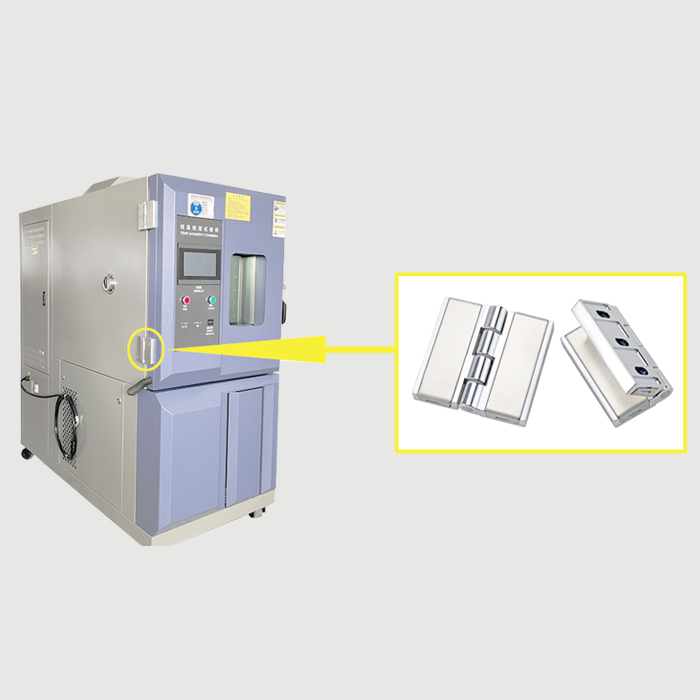
Exceptional Features
Comprehensive Analysis of High Load-Bearing and Durable Hinges

High Load Capacity for Large Doors
Built for larger doors and access panels, heavy duty hinges provide stronger structural support and help reduce the risk of sagging in demanding industrial applications.

Durability for Repeated Industrial Use
Heavy duty hinges are designed for repeated opening and closing in industrial environments, with material options that support long-term durability, fatigue resistance, and stable alignment.

Smooth and Stable Movement
Opens and closes smoothly without sticking, and operates quietly.

Corrosion Resistance for Harsh Environments
Surface treated with galvanization or coating; resistant to moisture, acids, and alkalis, and less prone to rust in humid environments.

Flexible Installation Options
Heavy duty hinges are available in different mounting styles to match door structure, installation space, and maintenance requirements in industrial equipment and enclosure systems.

Suitable for Cabinets, Machinery, and Access Panels
They are widely used on industrial cabinets, machine guards, equipment covers, and access panels where stronger support and long service life are required.
How to Choose the Right Heavy Duty Hinge
Heavy duty hinges should be selected based on door weight, door size, opening frequency, installation method, and service environment. In industrial applications, these factors directly affect load stability, operating smoothness, and long-term reliability.
Load, Door Size, and Opening Frequency
Door weight is only one part of hinge selection. Door width, center of gravity, and opening frequency also affect long-term performance. Heavy duty hinges are commonly used on large cabinet doors, equipment covers, and access panels where high loads and repeated use require stronger structural support.
Material Selection for Different Environments
Material should be selected according to the service environment. Stainless steel heavy duty hinges are often used in humid, corrosive, or hygiene-sensitive conditions, while carbon steel or coated steel options are suitable for many general industrial applications. In outdoor or chemical-exposed projects, corrosion resistance should be considered together with load requirements.
Mounting Style and Installation Space
The hinge type should match the installation method and available space. Welded hinges are often chosen for maximum strength, while lift-off or concealed designs are better for maintenance access or appearance requirements. Opening angle, panel clearance, and service access should also be considered during selection.
Cycle Life and Maintenance Requirements
In high-frequency applications, cycle life is as important as load capacity. A heavy duty hinge used on industrial equipment or machine doors should maintain alignment and smooth operation over time. It is also important to confirm whether the hinge is designed for maintenance-free use or periodic lubrication.
Typical Applications of Heavy Duty Hinges
Heavy duty hinges are used in many industrial and commercial applications where standard hinges may not provide enough strength, durability, or environmental resistance. The table below outlines common application scenarios and the key performance priorities behind hinge selection.
| Application | Key Requirement | Recommended Hinge Direction |
| Industrial cabinets | High load capacity and repeated access | Surface-mount or concealed heavy duty hinges |
| Electrical enclosures | Corrosion resistance and stable door support | Stainless steel heavy duty hinges |
| Machine guards and equipment covers | Frequent opening and structural reliability | Heavy duty lift-off or fixed hinges |
| Container and vehicle doors | Impact resistance and outdoor durability | Weld-on heavy duty hinges |
| Cold storage and humid environments | Corrosion resistance and sealing support | Stainless steel heavy duty hinges |
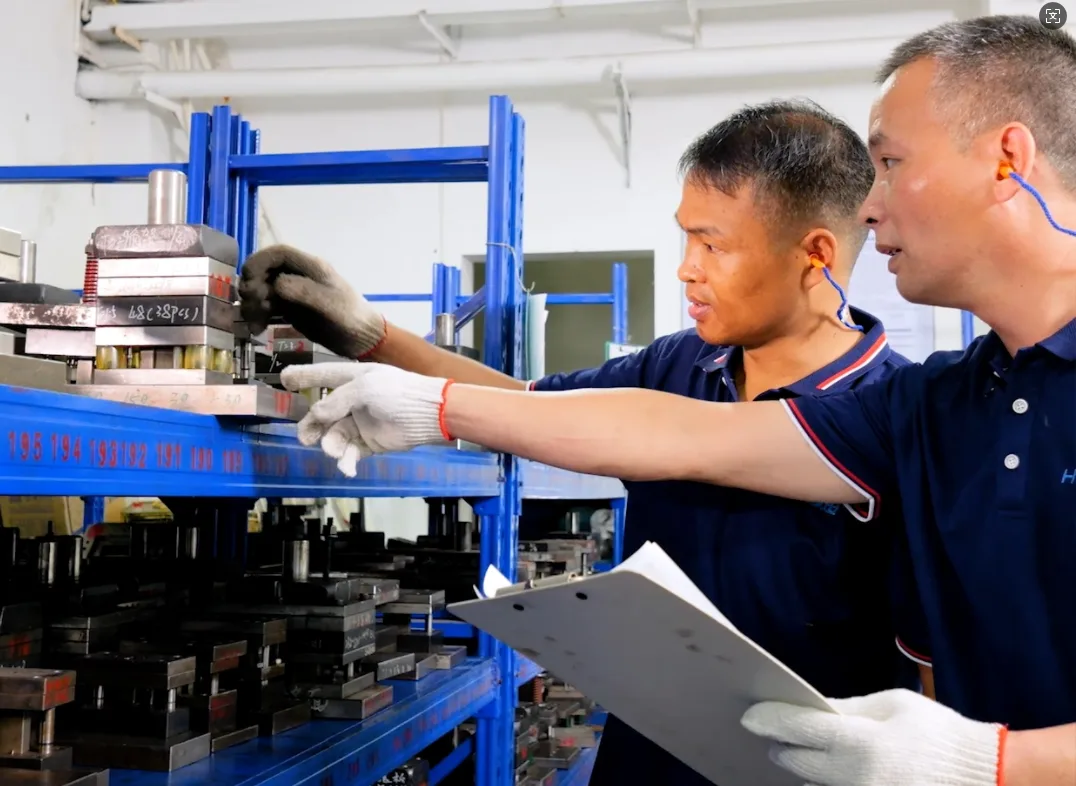
Material and Structural Options
Common Materials
Heavy duty hinges are commonly produced in carbon steel, stainless steel, and zinc alloy, depending on the load requirement and service environment. Carbon steel is widely used where high strength and cost efficiency are important. Stainless steel is preferred in corrosive, humid, or washdown environments. Zinc alloy may be suitable for selected medium-duty applications where appearance and dimensional consistency are priorities.
Heavy duty hinges are commonly produced in carbon steel, stainless steel, and zinc alloy, depending on the load requirement and service environment. Carbon steel is widely used where high strength and cost efficiency are important. Stainless steel is preferred in corrosive, humid, or washdown environments. Zinc alloy may be suitable for selected medium-duty applications where appearance and dimensional consistency are priorities.
Common Structural Types
Heavy duty hinge solutions are available in several structural forms.Weld-on hinges are often chosen for maximum structural strength in metal doors and equipment. Lift-off hinges are suitable when fast door removal is required for maintenance. Concealed hinges are often used when appearance, tamper resistance, or flush installation is important. Selecting the right structure depends on both functional and installation requirements.
Heavy duty hinge solutions are available in several structural forms.Weld-on hinges are often chosen for maximum structural strength in metal doors and equipment. Lift-off hinges are suitable when fast door removal is required for maintenance. Concealed hinges are often used when appearance, tamper resistance, or flush installation is important. Selecting the right structure depends on both functional and installation requirements.
Why Standard Hinges Are Not Enough for Heavy Doors
Standard hinges may work well for light doors or low-frequency applications, but they are often not suitable for larger industrial doors, equipment panels, or high-load covers. As door size and operating frequency increase, the hinge system must absorb greater stress during both movement and long-term holding.
Compared with standard hinges, heavy duty hinges are better suited for applications that require higher load capacity, improved resistance to sagging, and more reliable operation under repeated use. They are also more appropriate for environments involving vibration, humidity, corrosion, or large temperature changes.
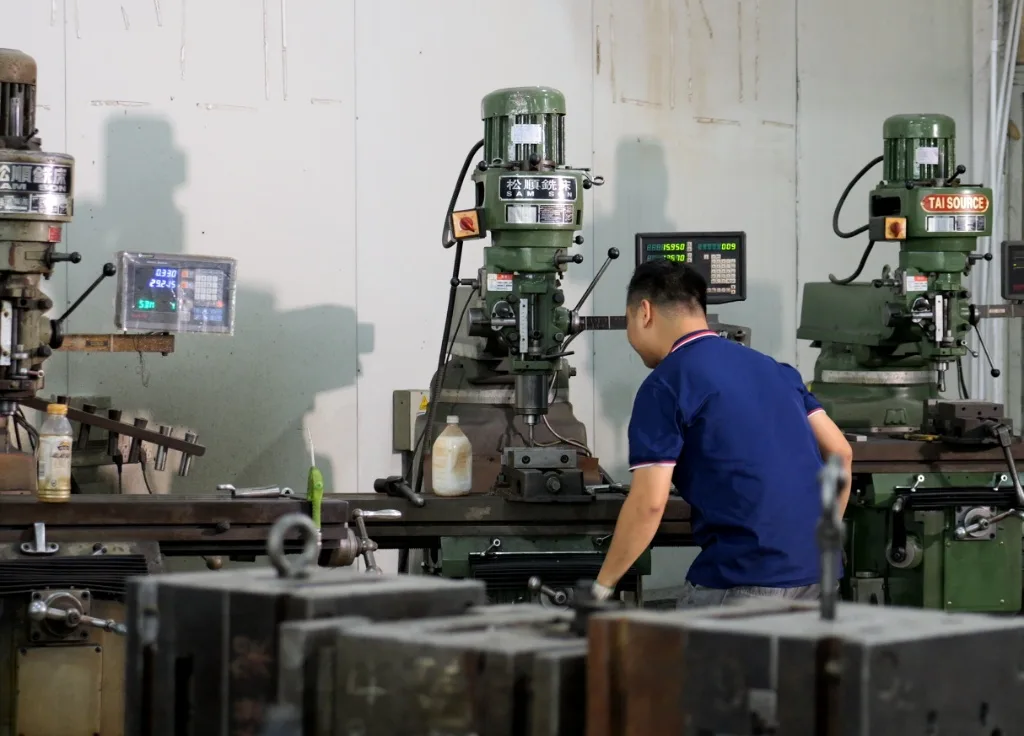
Product Gallery
Explore our range of heavy duty hinges through these detailed product images.
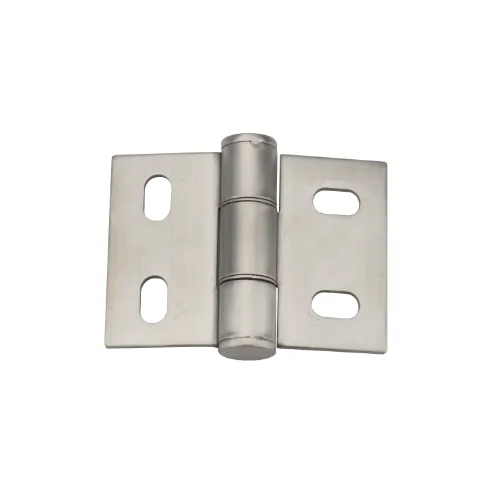
Heavy-Duty Stainless Steel Cabinet Hinge – Brushed Finish
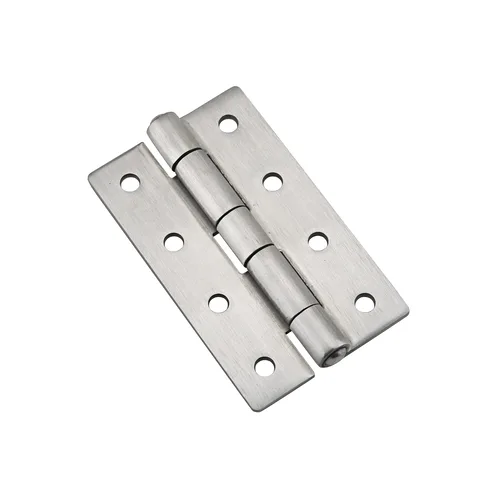
Heavy-Duty Folding Hinge – 3mm Thick for Industrial Cabinets
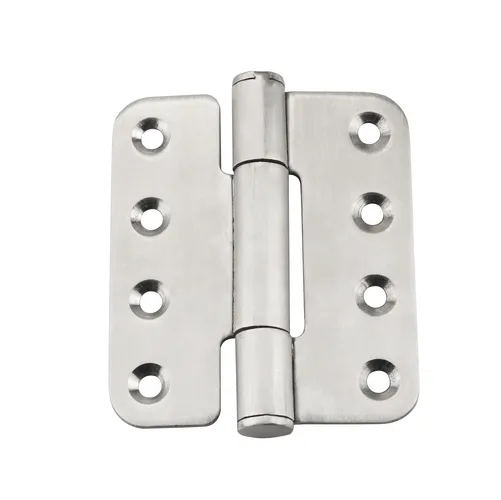
Heavy-Duty Brushed Stainless Steel Hinge for Industrial Cabinets
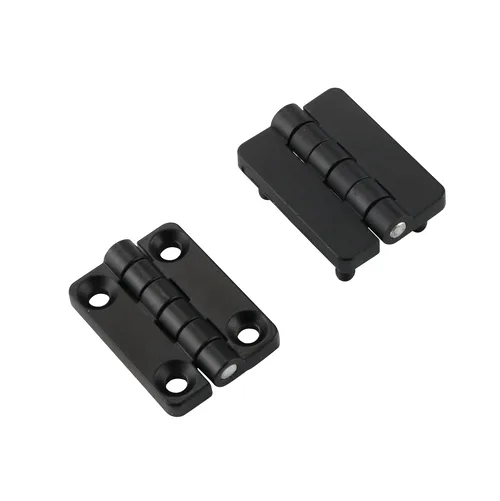
Heavy-Duty Hinge 54×40mm – Stainless Steel, Rustproof
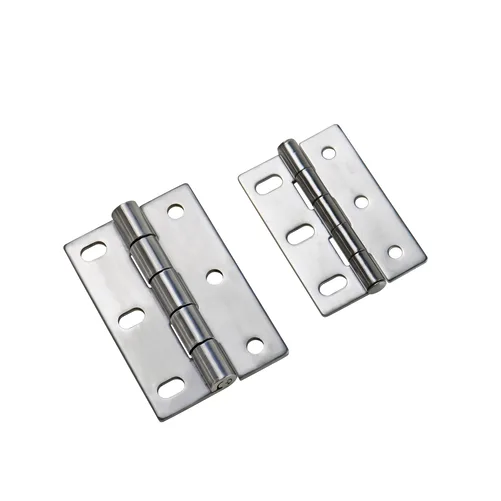
Heavy Duty Soft Close Hinge for Cabinets and Doors
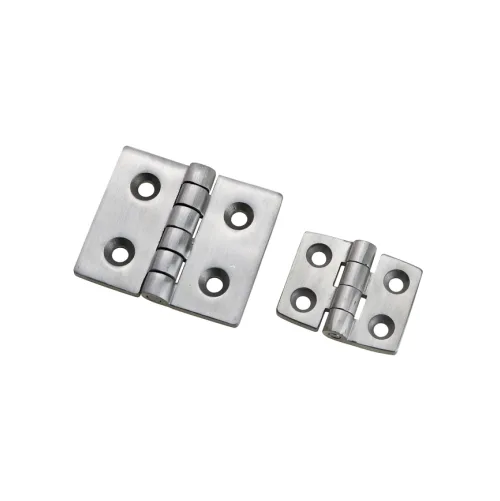
Heavy-Duty Stainless Steel Hinge for Industrial & Medical Cabinets
What Our Clients Say
The custom hinge solution provided by this company perfectly met our unique requirements. Their engineering team was responsive and delivered exactly what we needed.
⭐️⭐️⭐️⭐️⭐️
“The heavy-duty hinges we purchased have exceeded our expectations. They’ve withstood extreme conditions in our manufacturing facility with no signs of wear or failure.”

Sarah Johnson
Product Manager, MedTech Solutions
⭐️⭐️⭐️⭐️⭐️
“he custom hinge solution provided by this company perfectly met our unique requirements. Their engineering team was responsive and delivered exactly what we needed.”

Michael Chen
Engineering Director, AeroDesign Inc.
⭐️⭐️⭐️⭐️☆
“The heavy-duty hinges we procured have demonstrated outstanding performance under high-intensity use in large-scale warehousing and logistics centers.”

Elena Rodriguez
CEO, Luxe Home Designs
FREQUENTLY ASKED QUESTIONS
What makes a hinge a heavy duty hinge?
A heavy duty hinge is designed to support higher loads, larger doors, or more demanding operating environments than a standard hinge. It typically features stronger materials, reinforced structure, and better long-term durability under repeated use.
How many heavy duty hinges are needed for a large door?
The number of hinges depends on door weight, door height, hinge size, and installation layout. In industrial applications, hinge quantity should be determined based on both static load and long-term operating stress, not only on door weight.
Are stainless steel heavy duty hinges better for outdoor use?
In many cases, yes. Stainless steel heavy duty hinges are often a better choice for outdoor, humid, or corrosive environments because they provide stronger resistance to rust and surface degradation.
What is the difference between heavy duty hinges and weld-on hinges?
Heavy duty hinges refer to a performance category based on strength and durability, while weld-on hinges refer to a mounting method. Some weld-on hinges are heavy duty, but not all heavy duty hinges are weld-on models.
Can heavy duty hinges be used on industrial cabinets and electrical enclosures?
Yes. Heavy duty hinges are widely used on industrial cabinets, electrical enclosures, machine guards, and equipment access panels where reliable support and long service life are required.
How do I choose the right material for a heavy duty hinge?
The right material depends on load requirements, humidity, corrosion exposure, hygiene standards, and installation conditions. Stainless steel is often preferred for humid or corrosive environments, while carbon steel may be suitable for many general industrial applications.
 English
  한국어
한국어  Русский
  Español
  Italiano
  Deutsch
  Français
  Português