

Cold Storage Hinges
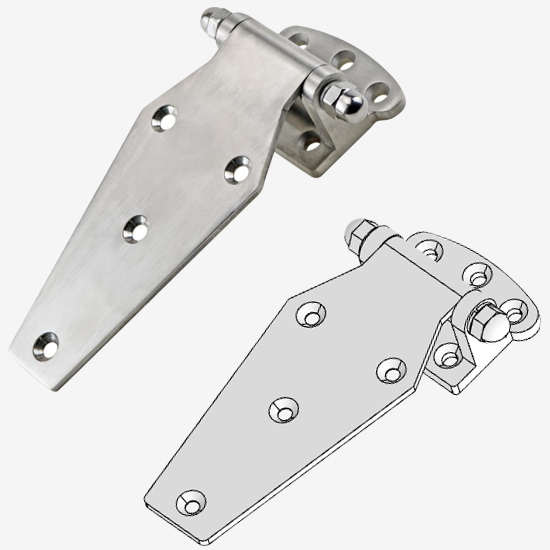
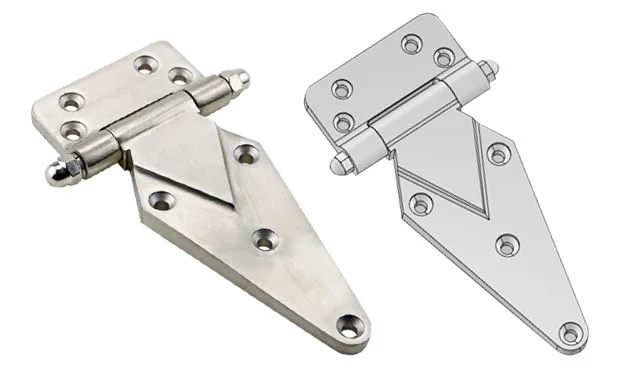
Cold storage hinges are engineered for freezer doors, cold room doors, refrigerated cabinets, and insulated transport equipment. HTAN supplies stainless steel hinge solutions designed for low-temperature durability, corrosion resistance, secure sealing, and reliable long-term performance in demanding cold-chain environments.
Why Cold Storage Hinges Matter
Cold storage hinges are not ordinary door hinges. In freezer rooms, walk-in coolers, refrigerated warehouses, and insulated transport equipment, the hinge directly affects door alignment, gasket compression, sealing performance, and long-term operating stability. When a hinge wears out or is underspecified, the first visible problem is often door sag. That small misalignment can lead to seal failure, warm air infiltration, ice buildup around the frame, and higher refrigeration energy use.
For this reason, selecting the right hinge is not only a hardware decision. It is also a reliability, maintenance, and energy-efficiency decision. A properly specified cold room hinge helps maintain smooth opening, stable support, and consistent sealing in demanding low-temperature environments.
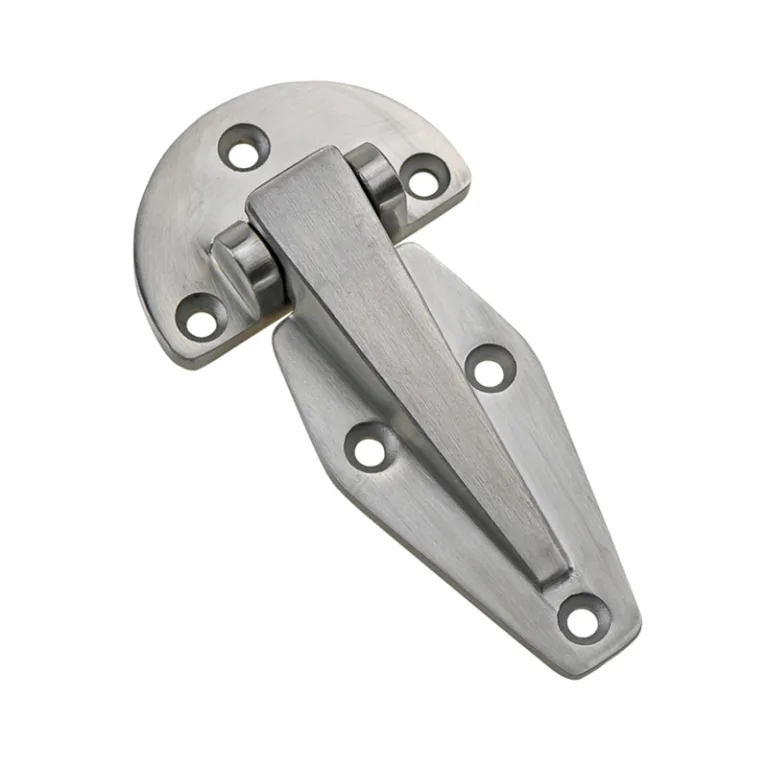
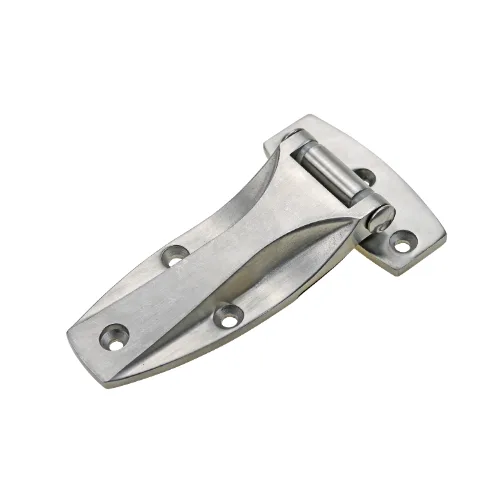
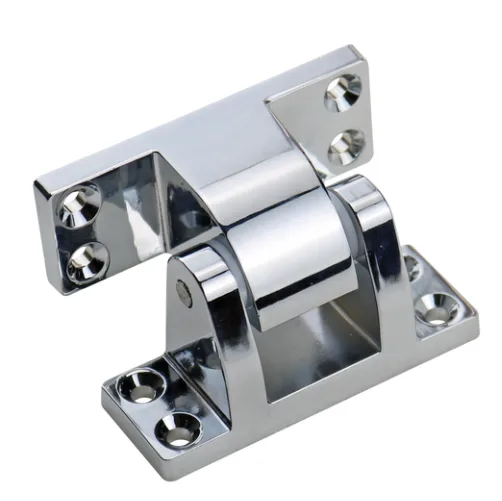
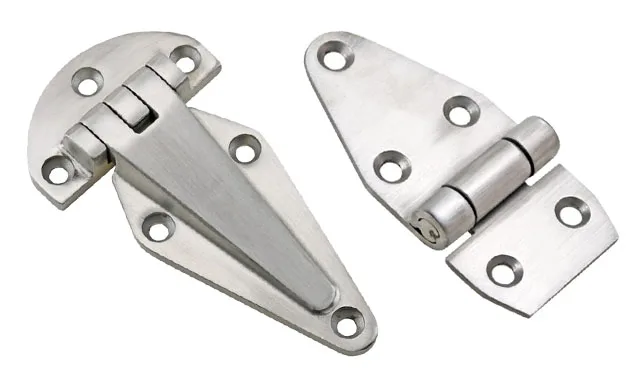
Product Gallery
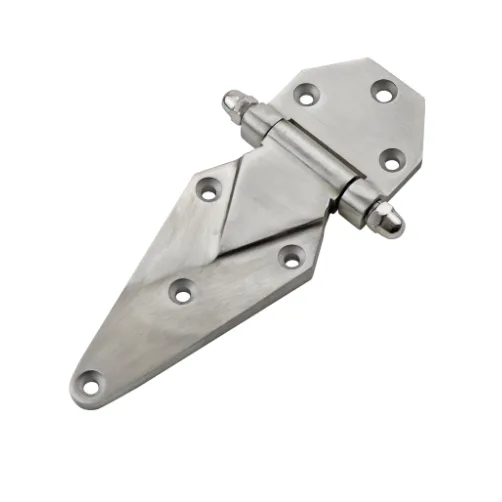
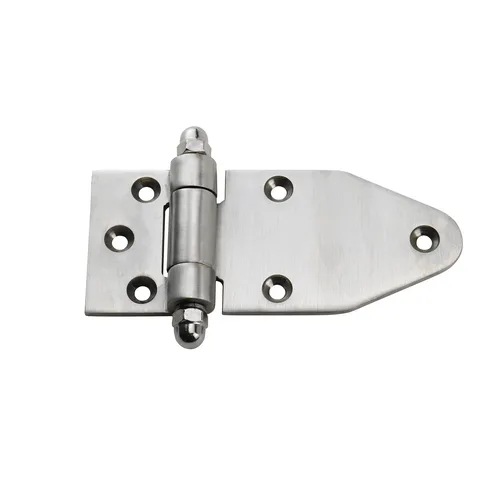
Explore our range of cold storage hinges through these detailed product images.
How to Choose the Right Cold Storage Hinges
When selecting cold storage hinges, buyers should evaluate more than door weight alone. In cold room and freezer applications, hinge performance is affected by door width, opening frequency, temperature differential, humidity level, cleaning process, and installation offset. A hinge that performs well on a light-duty cooler door may fail quickly on a heavy insulated freezer door exposed to frequent traffic or thermal shock.
For OEM projects and replacement orders, the most important starting data usually includes door weight, door width, door thickness, door offset, opening direction, expected cycles per day, and the operating environment. Providing these details early helps ensure proper hinge selection and reduces the risk of sagging, leakage, and premature wear.
| Selection Factor | What to Check | Why It Matters |
| Door Weight | Total door weight and load per hinge | Prevents deformation, sagging, and premature wear |
| Door Width | Overall width and center of gravity | Wider doors create higher moment load on the top hinge |
| Traffic Volume | Cycles per day | High-traffic doors require higher cycle-life hinges |
| Temperature Differential | Indoor vs. outdoor temperature gap | Large temperature swings can freeze moisture inside hinge mechanisms |
| Material | 304 SS, 316 SS, or other materials | Affects corrosion resistance, hygiene, and service life |
| Door Offset | Flush or offset installation | Wrong offset can cause air gaps, binding, or poor sealing |
| Hygiene Requirement | Washdown, food processing, pharma use | Requires cleanable designs and corrosion-resistant materials |
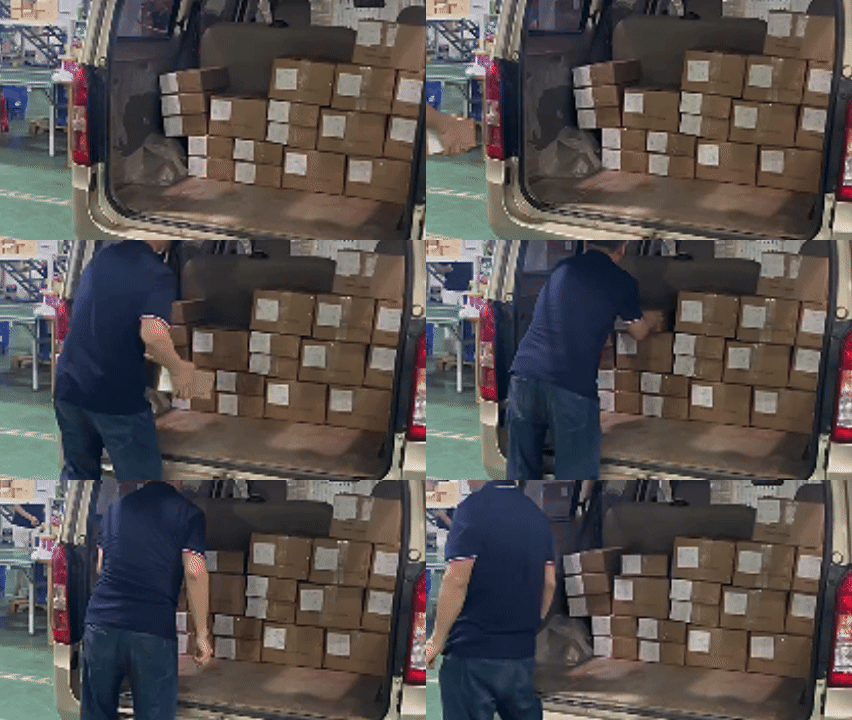
Customizing cold room door hinges is not complicated
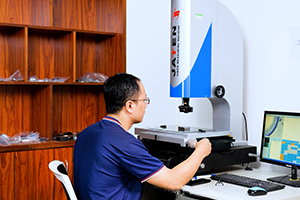
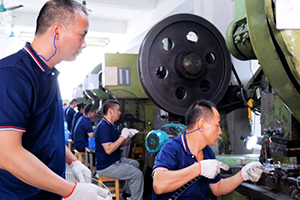
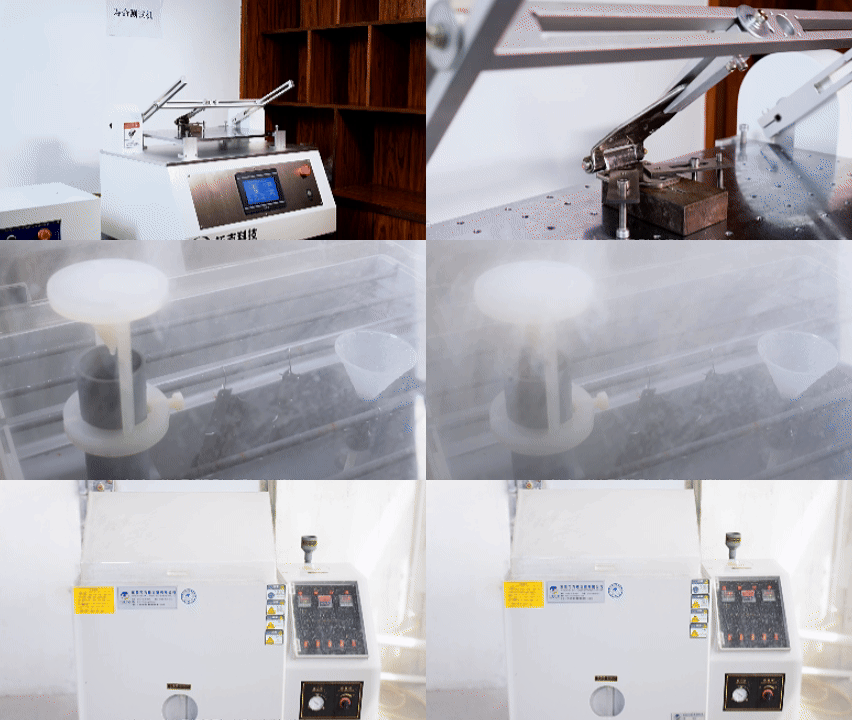
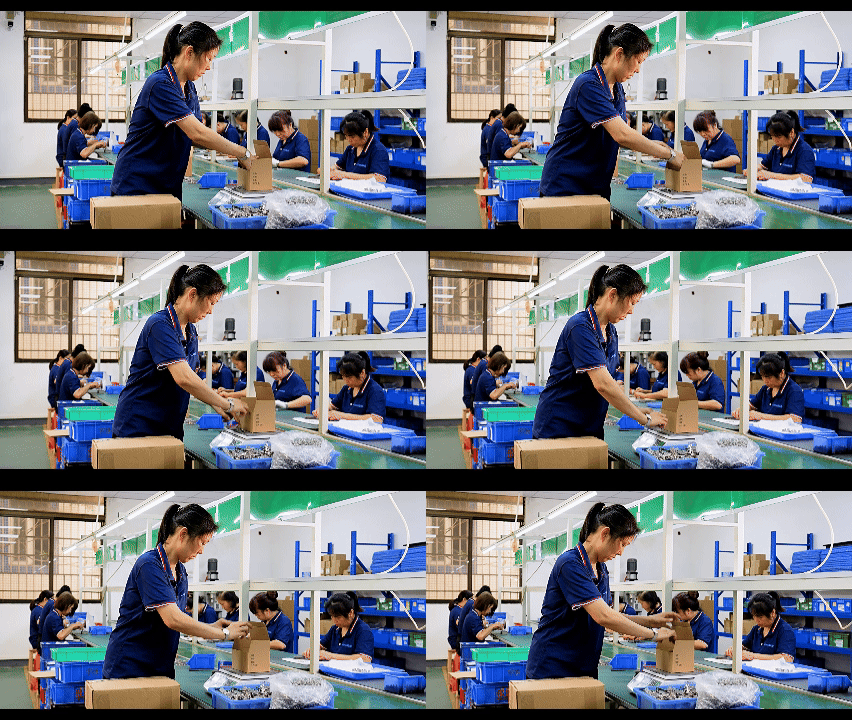
If you can’t find a matching model in our standard catalog, we offer customized solutions. You only need to provide the basic sample parameters, and our experienced engineering team will customize the solution for you based on the technical parameters.



Material Options for Cold Storage Hinges
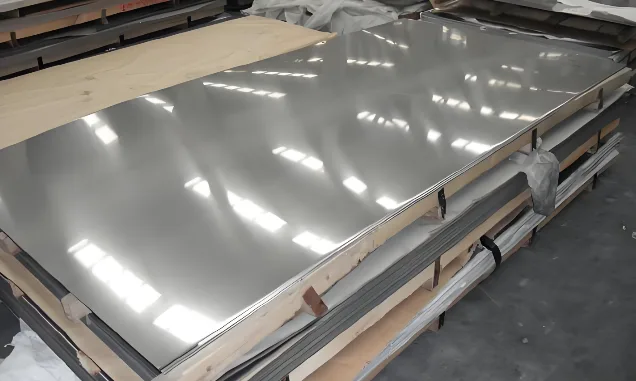
Material selection has a direct impact on corrosion resistance, hygiene, maintenance frequency, and total service life. For general cold storage rooms, 304 stainless steel is commonly used because it offers a good balance of strength and corrosion resistance. For seafood processing plants, coastal locations, or facilities with frequent washdowns and aggressive cleaning chemicals, 316 stainless steel is usually the better choice.
In hygienic environments such as food processing and pharmaceutical cold rooms, buyers should also consider surface finish and cleanability. Smooth, easy-to-clean hinge designs help reduce contamination risk and simplify sanitation procedures.
| Environment | Recommended Material | Notes |
| General cold rooms | 304 stainless steel | Good corrosion resistance for standard low-temperature use |
| Washdown food facilities | 316 stainless steel | Better resistance to chemicals, moisture, and corrosion |
| Coastal or high-salt environments | 316 stainless steel | Helps reduce staining and corrosion issues |
| Light-duty special applications | Engineered polymer or custom materials | Depends on load, hygiene, and design requirements |
Wide Range of Applications
Our cold storage hinges are versatile and used across various industries for multiple applications.
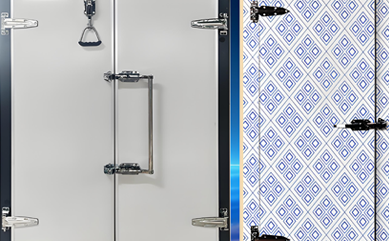
Cold Storage Room Doors
Designed for cold storage and insulated room doors, ensuring excellent sealing performance and long-term durability.
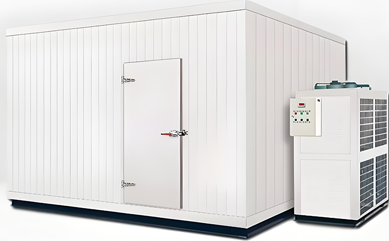
Modular Refrigeration Units
Applied to modular cold rooms and refrigerated containers, enhancing maintenance convenience and operational safety.
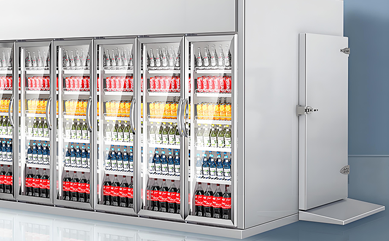
Commercial Display Refrigerators
Used in commercial beverage coolers and glass door display fridges, supporting frequent opening and reliable long-term use.
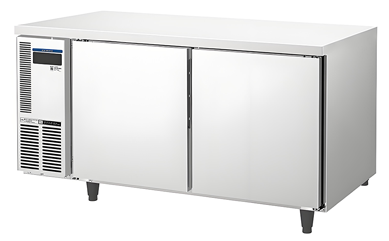
Undercounter Refrigeration Equipment
Installed on undercounter refrigerators and refrigerated drawers, providing smooth door operation and stable temperature control.
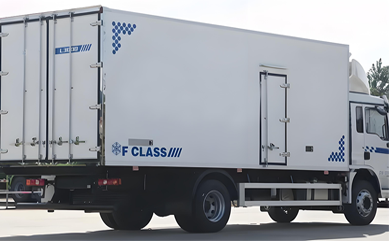
Refrigerated Trucks and Trailers
Designed for refrigerated truck and trailer doors, ensuring secure sealing and easy operation during cold chain transport.
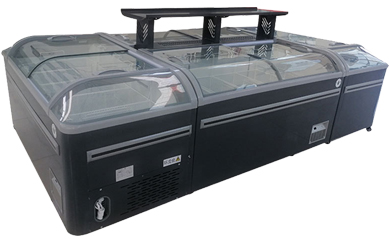
Island Freezers in Supermarkets
Specially made for supermarket island freezers, performing reliably under frequent access and low-temperature conditions.
Cold Storage Hinge Selection Guide: Critical Performance Factors
Choosing the correct cold storage hinge requires more than matching a product photo. Engineers and procurement teams should evaluate door geometry, hinge offset, load rating, traffic intensity, and environmental conditions together. A hinge that is oversized or underspecified can both create long-term problems, including poor sealing, difficult operation, and higher maintenance costs.
| Factor | Recommendation |
| Door Weight and Width | Provide both values when selecting a hinge. Wider doors create higher moment load, even at the same weight. |
| Opening Frequency | For high-traffic applications, choose hinges designed for frequent cycling and long service life. |
| Temperature Range | For freezer and blast-chill environments, use hinges suitable for low-temperature operation and thermal shock. |
| Door Offset | Confirm whether the door is flush or offset. Incorrect offset causes binding or air leakage. |
| Sealing Requirement | Consider hinge designs that help maintain gasket compression and door alignment. |
| Corrosion Resistance | Choose 304 or 316 stainless steel based on humidity, chemicals, and washdown exposure. |
| Maintenance Access | Favor designs that allow easier alignment adjustment, inspection, and service. |
What Our Clients Say
Hear from some of our satisfied customers about their experience with our cold storage hinges.
⭐️⭐️⭐️⭐️⭐️
“We’ve been using these hinges in our cold storage facilities for over two years now. The durability and performance in sub-zero temperatures have been exceptional. Highly recommended!”

Sarah Johnson
Product Manager, MedTech Solutions
⭐️⭐️⭐️⭐️⭐️
“The corrosion resistance of these hinges is unmatched. We operate in a high-humidity environment with frequent washdowns, and these hinges show no signs of wear after months of use.”

Michael Chen
Engineering Director, AeroDesign Inc.
⭐️⭐️⭐️⭐️☆
“As a pharmaceutical company, we require strict compliance with industry standards. These hinges meet all FDA and NSF requirements while providing reliable performance in our temperature-controlled storage areas.“

Elena Rodriguez
CEO, Luxe Home Designs
OEM and Custom Cold Storage Hinge Solutions
If a standard hinge does not match your cold room door design, HTAN can support custom hinge development for freezer doors, insulated warehouse doors, refrigerated transport bodies, and other low-temperature equipment. Customization may include material grade, mounting hole pattern, offset, opening angle, load requirement, surface finish, left- or right-hand configuration, and special structural requirements for sealing or hygiene.
To speed up evaluation, customers can provide door dimensions, door weight, installation photos, drawings, or existing hinge samples. This helps our engineering team recommend a more accurate hinge solution for the application.
FAQs
How do I choose hinges for a heavy freezer door?
Choose hinges based on door weight, door width, hinge offset, and expected opening frequency. Heavy insulated doors usually require heavy-duty hinges with sufficient load margin and stable sealing performance.
What is the difference between 304 and 316 stainless steel cold storage hinges?
304 stainless steel is suitable for many general cold room applications. 316 stainless steel is better for highly corrosive environments such as seafood processing plants, coastal facilities, and frequent washdown areas.
Do cold room doors need offset hinges?
Many cold room and freezer doors are offset rather than flush. The correct hinge offset is important because the wrong offset can cause door binding, poor alignment, or air leakage.
Are rising hinges suitable for freezer room doors?
Yes. Rising hinges are often used on freezer room doors because they help lift the door during opening, reduce sweep drag, and support gravity-assisted closing.
What happens if a cold storage hinge is underspecified?
An underspecified hinge may wear quickly, allow the door to sag, reduce gasket compression, and cause warm air leakage, frost buildup, and higher energy consumption.
Can you customize hinges for refrigerated trucks, insulated rooms, or display refrigerators?
Yes. Custom cold storage hinges can be developed according to door size, load, material requirement, offset, opening angle, and application environment.
Get in Touch
Have questions about our cold storage hinges or need a custom solution? Contact us today.
Request a Quote
Contact Information
Address
Building 2, No. 6, Commercial 2nd Street, Yuwu, Dongcheng District, Dongguan City, Guangdong Province, China
Phone
+86 13720060320
Working Hours
Monday – Friday: 9:00 AM – 6:00 PMu003cbru003eSaturday: 9:00 AM – 12:00 PMu003cbru003eSunday: Closed
 English
  한국어
한국어  Русский
  Español
  Italiano
  Deutsch
  Français
  Português