

Torque Hinges for Controlled Motion and Position Holding
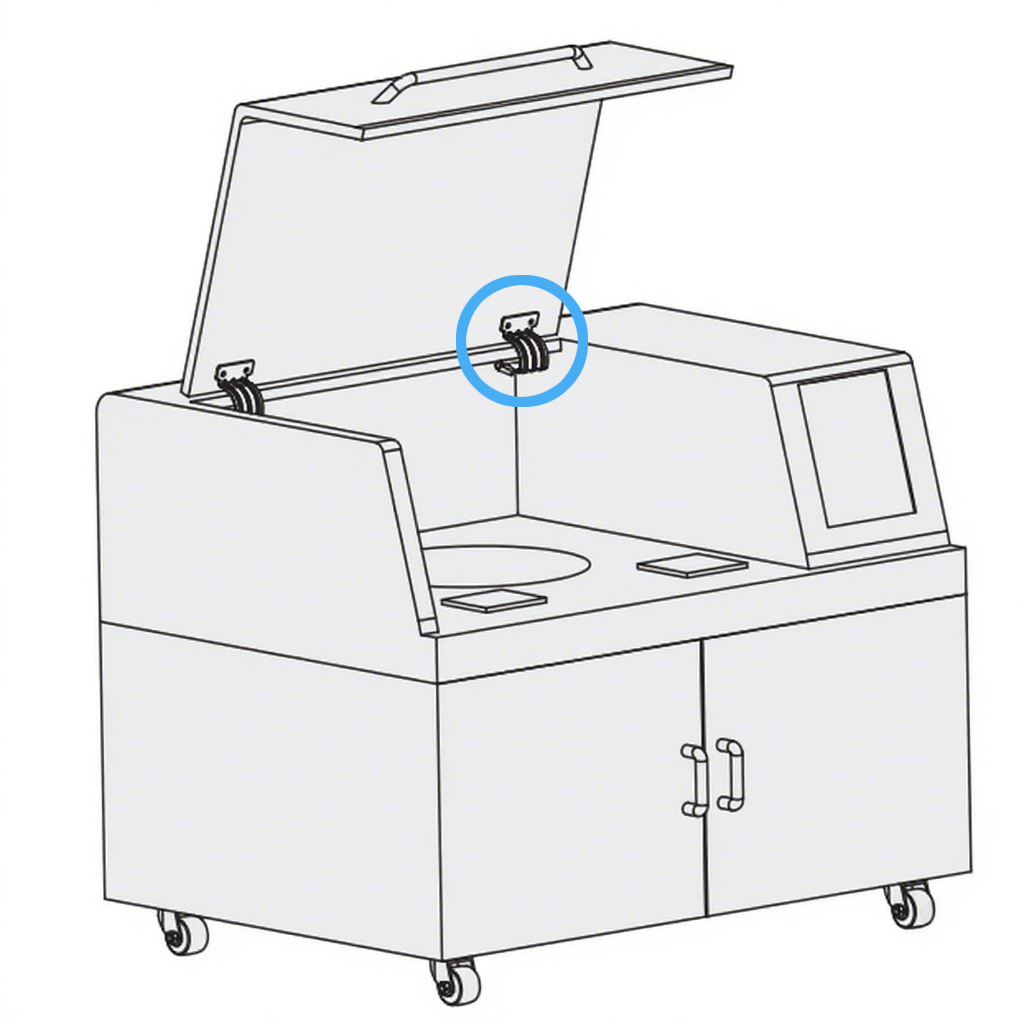
Torque hinges, also known as friction hinges or free-stop hinges, provide controlled rotational resistance so lids, covers, screens, and access panels stay in position without gas springs or support stays. HTAN supplies torque hinge solutions for industrial enclosures, medical equipment, displays, cabinets, and heavy-duty applications, including adjustable, one-way, and constant torque hinge designs.
10+
Years Experience
30+
Countries Served
98%
Satisfaction
Exceptional Features
Our torque hinges are carefully engineered to meet the highest industry standards and incorporate unique, innovative designs.

Consistent Torque Performance / free-stop positioning
Every hinge is crafted with micron-level precision for consistent torque performance and smooth operation.

Cycle life / Repeated Opening and closing
Our hinges undergo over 100,000 cycles of testing to ensure durability and reliable performance over time, reducing maintenance costs and downtime.

Corrosion Resistant
Specialized coatings and materials provide exceptional resistance to rust and corrosion in harsh environments, extending product lifespan in challenging conditions.

Adjustable Torque Hinges
Customizable torque settings allow for precise control to meet the specific requirements of your application, providing flexibility across diverse use cases.

Heavy-Duty Torque Hinge Applications
Engineered to handle heavy loads with torque ranging from 0.5 Nm to 50 Nm, suitable for various industrial applications requiring robust and reliable components.

Modular & Easy Installation
Designed with standard mounting dimensions for easy integration into existing systems and equipment, simplifying installation and reducing retrofit costs.
Product Gallery
Explore our range of torque hinges through these detailed product images.
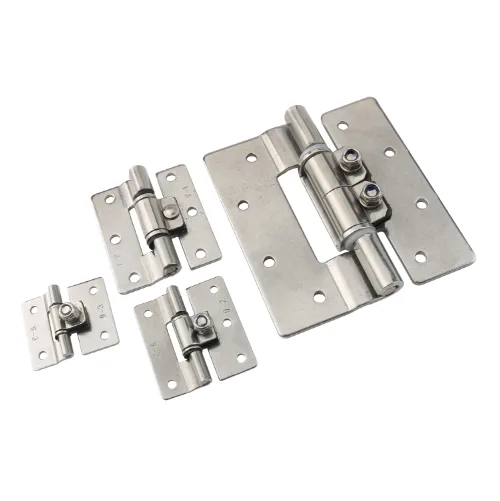
Positioning Torque Hinges for Cabinets, Displays
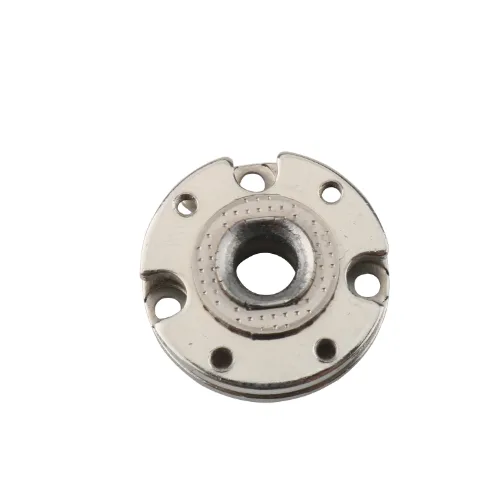
Round Iron Torque Hinge 0.5 N·m | 4.5mm Cable Hole Design
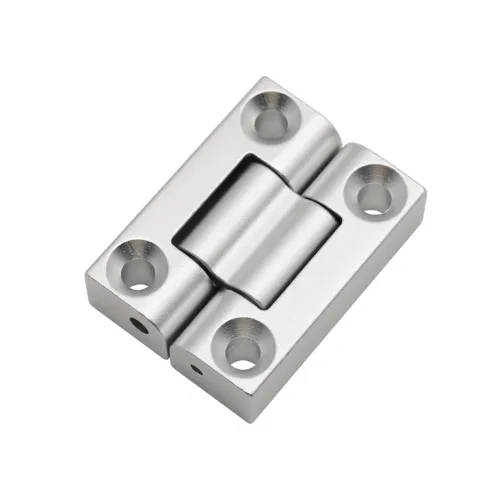
Aluminum Dual-Fold Torque Hinge 2.0 N·m | Hidden 180° Hinge
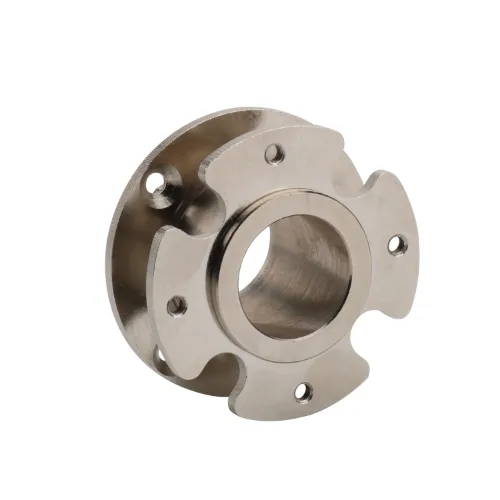
Round Torque Hinge 1–10 N·m | 360° Iron Cable Hole Hinge
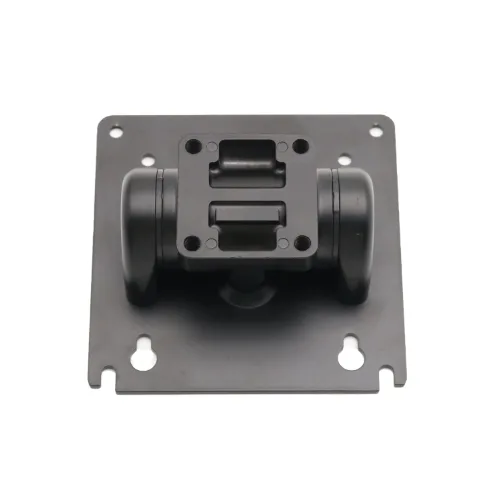
Tiltable Monitor Mount 4.0 N·m | Aluminum Alloy Hinge
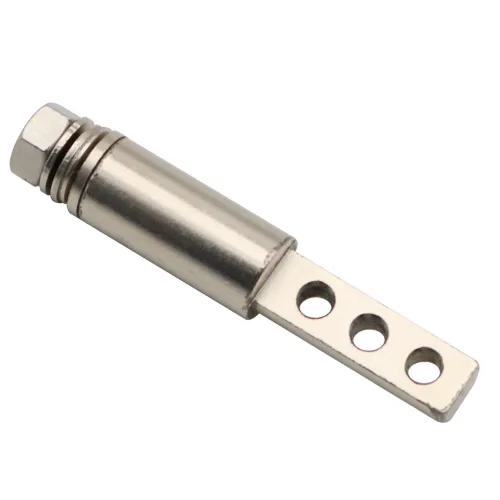
Iron Torque Hinge | 360° Rotating 9×65mm Design
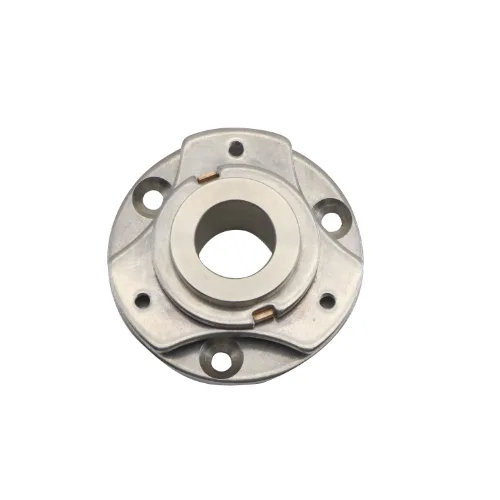
Stainless Steel Hollow Torque Hinge | 12mm Wire-Through Design
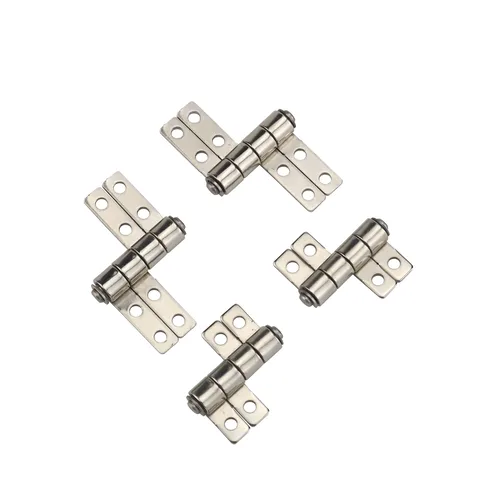
SK7 Torque Hinge | 360° Adjustable for Small Devices

Zinc Alloy Torque Hinge | Black Finish, 56.6×40mm
Wide Range of Applications
Our torque hinges are versatile and used across various industries for multiple applications.

Laptops and Monitors
See how torque hinges are used in monitor arms and industrial displays.

Vending Machines and Display Cabinets
Installed on door covers or inspection hatches, preventing doors from closing unexpectedly, enhancing maintenance safety and convenience.
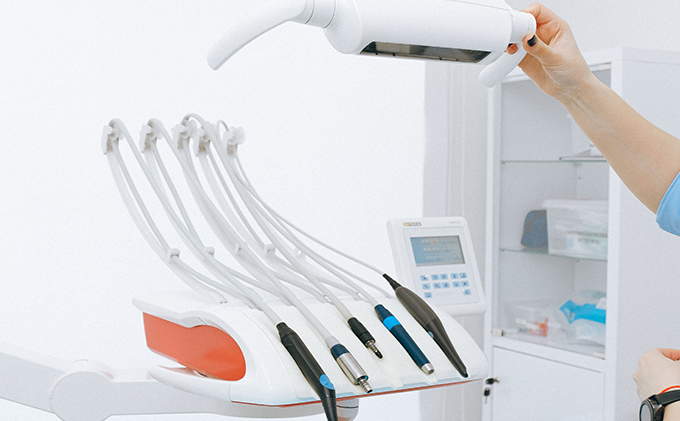
Medical Equipment
For directional motion control, compare one-way and two-way torque hinges.

Automobiles and Transportation Vehicles
Used in car storage compartments, sun visors, and other areas, providing stable opening and closing damping and positioning effects.
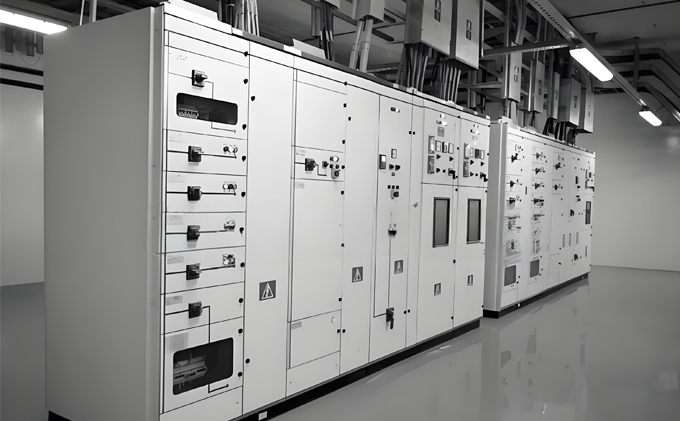
Industrial Control Cabinets and Electrical Cabinets
Installed on cabinet doors or equipment housings, improving the feel of opening and closing and ensuring maintenance safety.
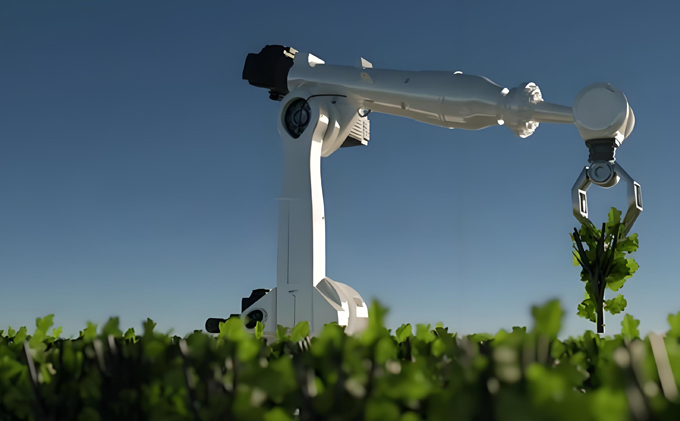
Consumer Electronics and Smart Home Devices
Used in smart speakers, robots, and other products, enhancing product quality and user experience.
Technical Specifications
Our torque hinges are available in various specifications to meet your specific requirements.
Standard Specifications
✔️Torque Range: 0.5 Nm to 50 Nm
✔️Material Options: Stainless Steel, Aluminum Alloy, Carbon Steel
✔️Surface Treatment: Zinc Plating, Chrome Plating, Powder Coating
✔️Rotation Angle: 90°, 120°, 180°, 270°, 360° (customizable)
✔️Mounting Options: Screw Mount, Weld Mount, Rivet Mount
✔️Operating Temperature: -40°C to +120°C
✔️Certifications: ISO 9001, RoHS
✔️Material Options: Stainless Steel, Aluminum Alloy, Carbon Steel
✔️Surface Treatment: Zinc Plating, Chrome Plating, Powder Coating
✔️Rotation Angle: 90°, 120°, 180°, 270°, 360° (customizable)
✔️Mounting Options: Screw Mount, Weld Mount, Rivet Mount
✔️Operating Temperature: -40°C to +120°C
✔️Certifications: ISO 9001, RoHS
Customization Options
✔️Torque Range: 0.5 Nm to 50 Nm
✔️Material Options: Stainless Steel, Aluminum Alloy, Carbon Steel
✔️Surface Treatment: Zinc Plating, Chrome Plating, Powder Coating
✔️Rotation Angle: 90°, 120°, 180°, 270°, 360° (customizable)
✔️Material Options: Stainless Steel, Aluminum Alloy, Carbon Steel
✔️Surface Treatment: Zinc Plating, Chrome Plating, Powder Coating
✔️Rotation Angle: 90°, 120°, 180°, 270°, 360° (customizable)
Why Choose Our Torque Hinges?
⭐️Precision-engineered for consistent performance in critical applications
⭐️Stringent quality control through rigorous testing and certification
⭐️Custom solutions tailored to your specific requirements and specifications
⭐️Competitive pricing without compromising on quality or durability
⭐️Expert technical support and after-sales service from industry professionals
⭐️Fast turnaround times for both standard and custom orders
⭐️Stringent quality control through rigorous testing and certification
⭐️Custom solutions tailored to your specific requirements and specifications
⭐️Competitive pricing without compromising on quality or durability
⭐️Expert technical support and after-sales service from industry professionals
⭐️Fast turnaround times for both standard and custom orders
What Our Clients Say
Hear from some of our satisfied customers about their experience with our torque hinges.
⭐️⭐️⭐️⭐️⭐️
“The torque hinges we purchased have exceeded our expectations for quality and durability. Our medical equipment now operates more smoothly than ever.”

Sarah Johnson
Product Manager, MedTech Solutions
⭐️⭐️⭐️⭐️⭐️
“We’ve been using these hinges in our aviation interiors for years, and they have never failed us. The precision engineering and reliability are unmatched in the industry.”

Michael Chen
Engineering Director, AeroDesign Inc.
⭐️⭐️⭐️⭐️☆
“The custom torque hinges provided for our high-end furniture line have been a game-changer. Our designers love the flexibility, and our customers appreciate the smooth operation”

Elena Rodriguez
CEO, Luxe Home Designs
Get in Touch
Have questions about our torque hinges or need a custom solution? Contact us today.
Request a Quote
Contact Information
Address
Building 2, No. 6, Commercial 2nd Street, Yuwu, Dongcheng District, Dongguan City, Guangdong Province, China
Phone
+86 13720060320
Working Hours
Monday – Friday: 9:00 AM – 6:00 PM
Saturday: 9:00 AM – 12:00 PM
Sunday: Closed
Saturday: 9:00 AM – 12:00 PM
Sunday: Closed
Frequently Asked Questions
Find answers to common questions about our torque hinges.
What is a torque hinge?
A torque hinge is a type of hinge that provides controlled rotational resistance, allowing a lid, panel, screen, or door to stay in position without extra supports such as gas springs or stays. In many industrial and equipment applications, torque hinges are used to create smooth motion, improve safety, and hold components at a chosen angle. They are commonly used in industrial enclosures, medical devices, monitor arms, display equipment, and access panels.
What is the difference between a torque hinge and a friction hinge?
In many cases, torque hinge and friction hinge are used interchangeably. Both describe hinges that use internal friction or resistance to control movement and hold a component in place. The difference is mainly in emphasis: “torque hinge” usually highlights the holding torque or resistance value, while “friction hinge” emphasizes the working mechanism that creates that resistance. For most buyers and engineers, they are closely related terms used for the same general product category.
Are torque hinges the same as free-stop hinges?
In many applications, yes. A free-stop hinge is usually a hinge that can hold position at multiple angles without separate support hardware, and many torque hinges are designed to provide exactly that function. However, naming can vary by manufacturer and application. In practice, engineers often use torque hinge, friction hinge, and free-stop hinge as closely related terms when discussing controlled-position hinges for lids, screens, and panels.
Should I choose a one-way or two-way torque hinge?
That depends on how the panel or door is expected to move. A one-way torque hinge provides resistance mainly in one direction, which is useful when you want easier return motion in the opposite direction. A two-way torque hinge provides resistance in both directions, making it more suitable for applications that need balanced motion control throughout opening and closing. If your project involves lids, displays, or equipment doors with directional movement requirements, comparing one-way and two-way torque hinges is an important part of the selection process.
Are torque hinges adjustable?
Some torque hinges are adjustable, while others are designed with a fixed torque value. Adjustable torque hinges allow engineers or installers to fine-tune the resistance to match different panel weights, user feel requirements, or operating conditions. They are especially useful in applications where the load may vary or where field adjustment improves installation flexibility. If your project requires more tuning freedom, an adjustable torque hinge may be the better choice.
Can torque hinges be used on heavy panels?
Yes. Torque hinges can be used on heavy panels, provided the hinge size, torque rating, mounting method, and number of hinges are matched to the load requirements. Heavy-duty torque hinges are often used in industrial covers, machine access doors, service panels, and equipment enclosures where stable holding force and safe motion control are essential. For larger or higher-cycle applications, engineers should also consider cycle life, mounting strength, and environmental conditions during selection.
Can HTAN provide custom torque hinge solutions?
Yes. HTAN can support custom torque hinge solutions for OEM and industrial applications, including adjustments to torque range, mounting structure, material, finish, size, and application-specific requirements. Custom solutions are often needed when standard hinges do not fully match the required load, packaging space, environmental conditions, or motion feel. If you are developing a new product or optimizing an existing assembly, we can help evaluate the right torque hinge configuration for your project.
 English
  한국어
한국어  Русский
  Español
  Italiano
  Deutsch
  Français
  Português