

Blog
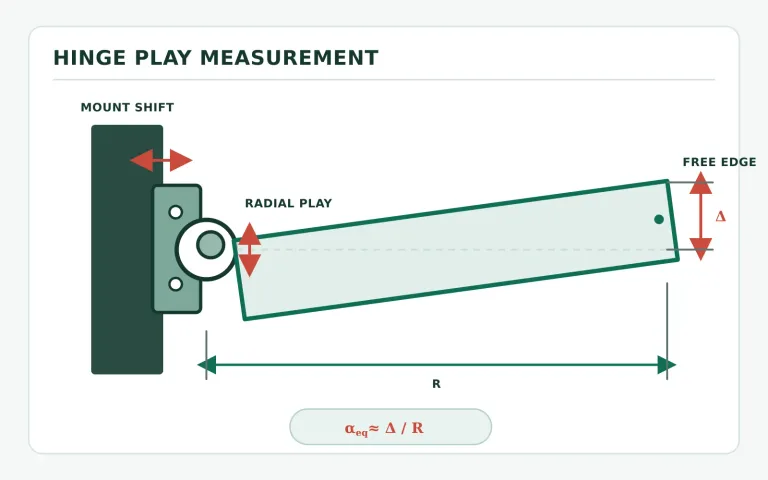
Why Industrial Hinges Develop Play: Pin, Knuckle and Bushing Wear
A door knocks when its free edge is lifted. The latch no longer enters cleanly. A pin can be seen moving inside the knuckle. These are signs of industrial hinge play, but…
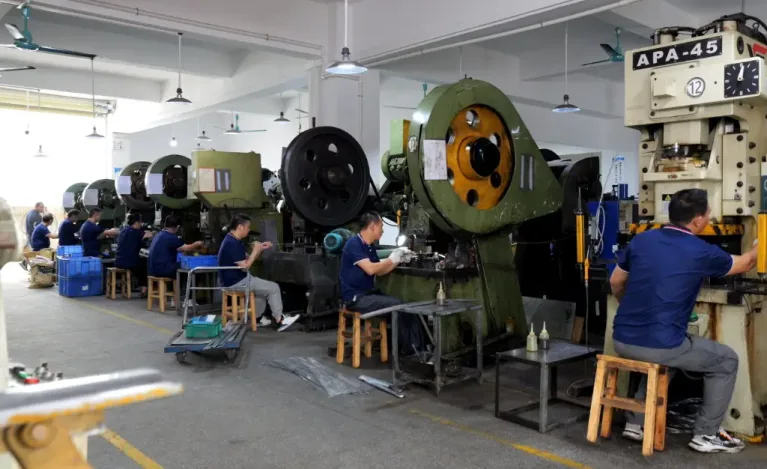
Stamped vs Die-Cast vs Machined Industrial Hinges: How to Choose for OEM Production
A stamped leaf, a die-cast body and a machined hinge can occupy nearly the same space on an assembly drawing. That does not make them interchangeable. Each route places cost, dimensional variation…
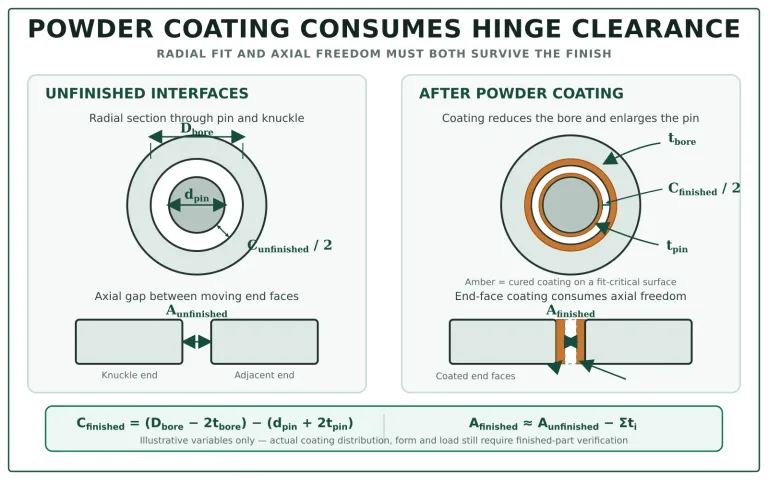
Why Hinges Bind After Powder Coating: Clearance, Masking and Assembly Control
An assembled hinge can move freely at the bench and return from powder coating with a noticeably tighter pivot. That before-and-after change is the most useful starting point in a hinge binding…
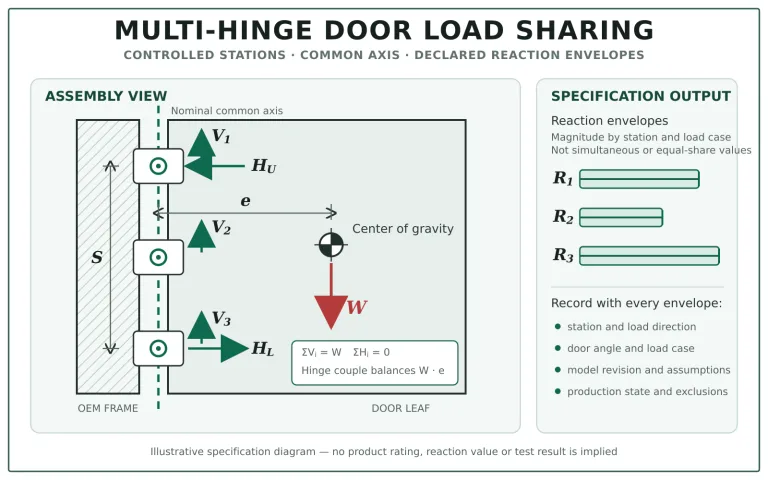
How to Specify Industrial Hinges for Multi-Hinge Doors: Alignment, Load Sharing and Tolerance
Specifying industrial hinges for multi-hinge doors requires more than placing three identical part numbers on a drawing. One hinge may seat first, one mounting flange may be stiffer, and one pivot may…
How to Specify Hinge Axis Datums and Coaxiality on an OEM Drawing
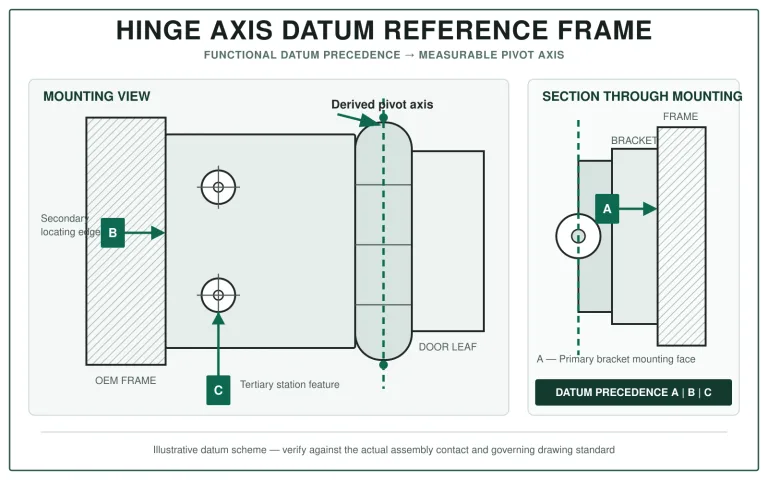
A door can bolt together and still bind on its first swing. The mounting holes may be within tolerance while the upper and lower pivot axes are offset, tilted or derived from…
What to Include in an Industrial Hinge Drawing
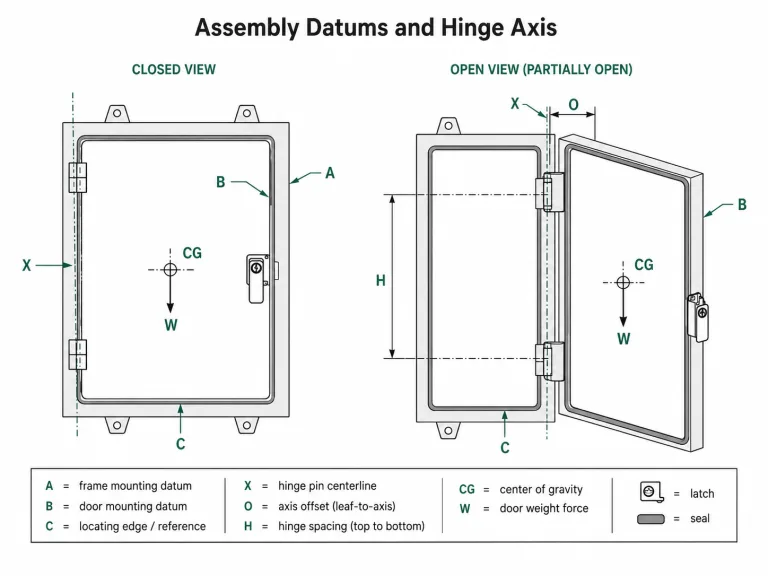
An industrial hinge drawing can show the leaf length, hole spacing, material, and finish—and still fail to define the part the equipment needs. The holes may fit, but the pin centerline sits…
Why Die-Cast Hinge Threads Strip During Assembly
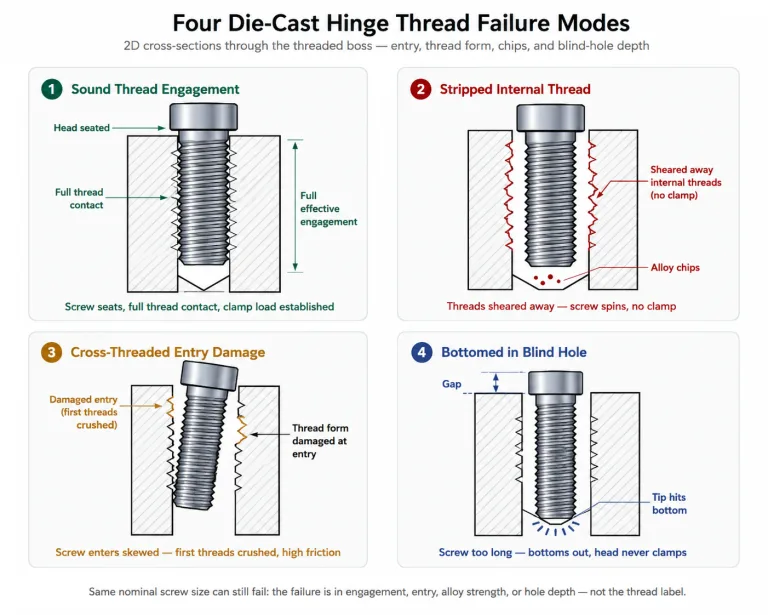
Failure Analysis & Assembly Control Die-cast hinge thread stripping often appears as a simple assembly mistake: the screw turns, the head stops advancing, and the joint will not hold torque. The actual…
Hinge Pin Retention for High-Vibration Equipment
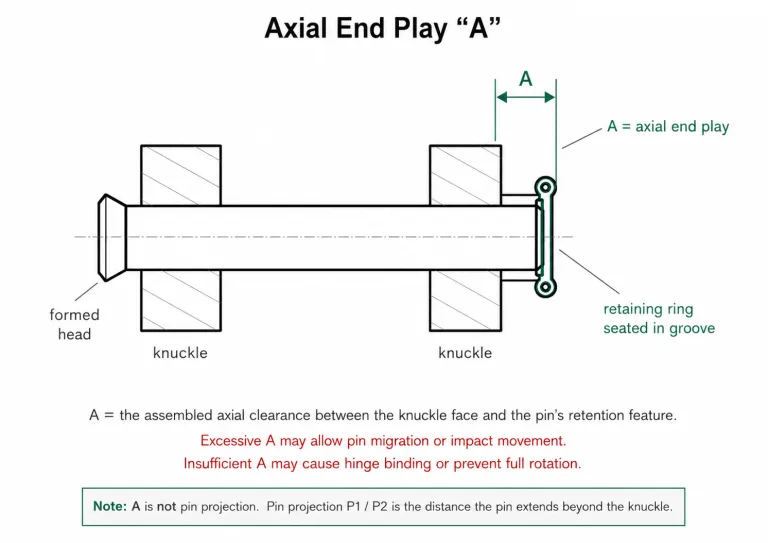
A note such as “secure the hinge pin for vibration” is not a complete engineering specification. It does not identify whether the pin must be removable, what physically blocks axial movement, how…
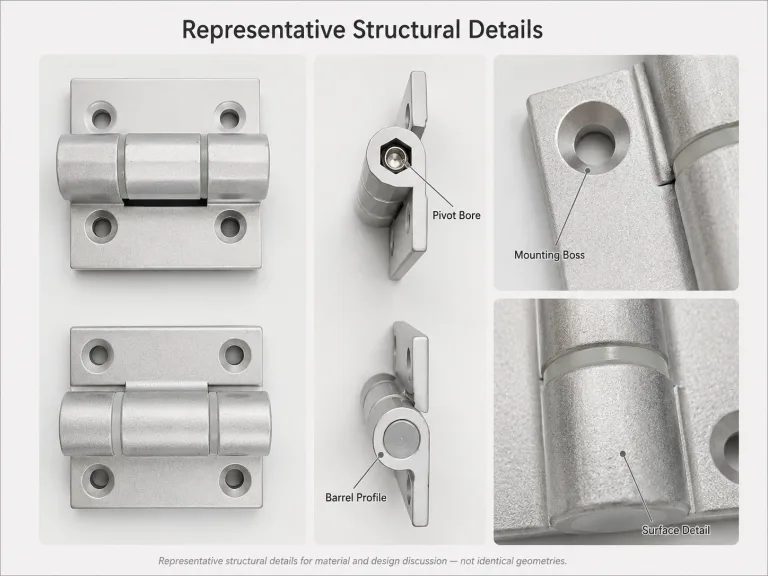
Zinc Alloy vs Aluminum Alloy for Die-Cast Hinges
Choosing between zinc alloy and aluminum alloy for a die-cast hinge is not a cosmetic material substitution. The choice changes part mass, wall-section strategy, threaded-boss behavior, thermal response, surface finishing, tooling economics,…
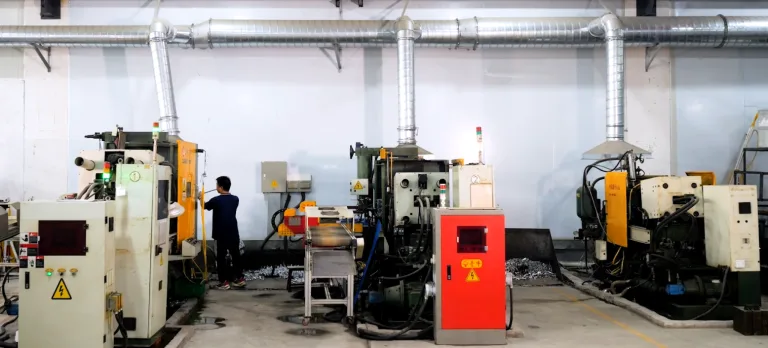
How Torque Hinges Are Made: Die-Casting & Assembly
Understanding how torque hinges are made is essential when an OEM needs more than a part that simply rotates. A torque hinge must create controlled resistance, hold a panel at the required…
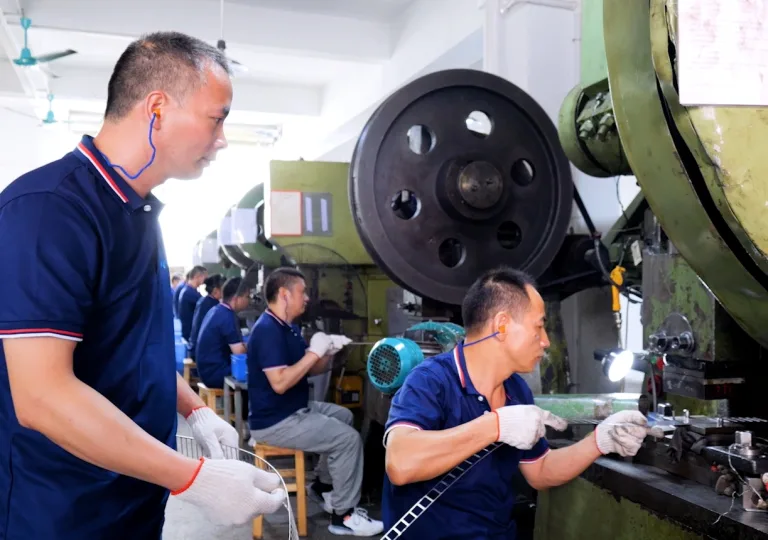
How Industrial Hinges Are Made by Stamping: Dies & Tooling
Stamping is one of the main manufacturing methods used for sheet-metal hinge leaves, and it explains much of what buyers find confusing about hinge quotes: why a custom hinge carries a tooling…
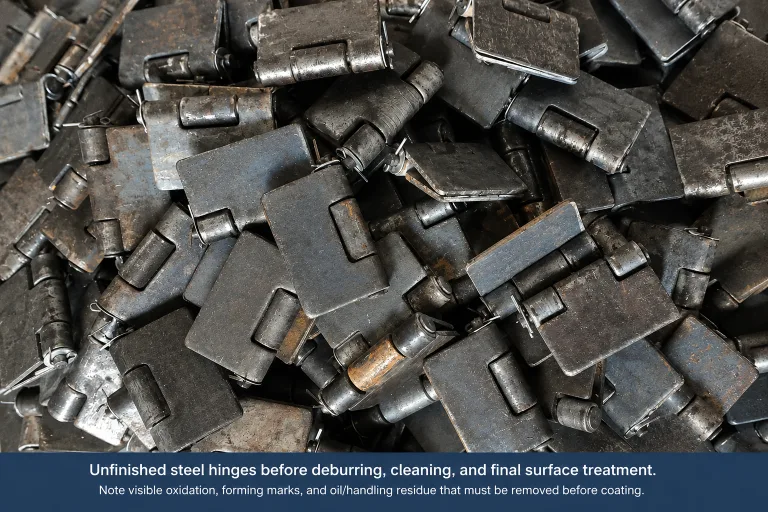
Hinge Quality Starts Before Surface Treatment Begins
It is tempting to judge a hinge by its finish. A bright chrome or an even powder coat looks like quality, and a dull or patchy one looks like a problem. But…
 English
  한국어
한국어  Русский
  Español
  Italiano
  Deutsch
  Français
  Português