

Blog
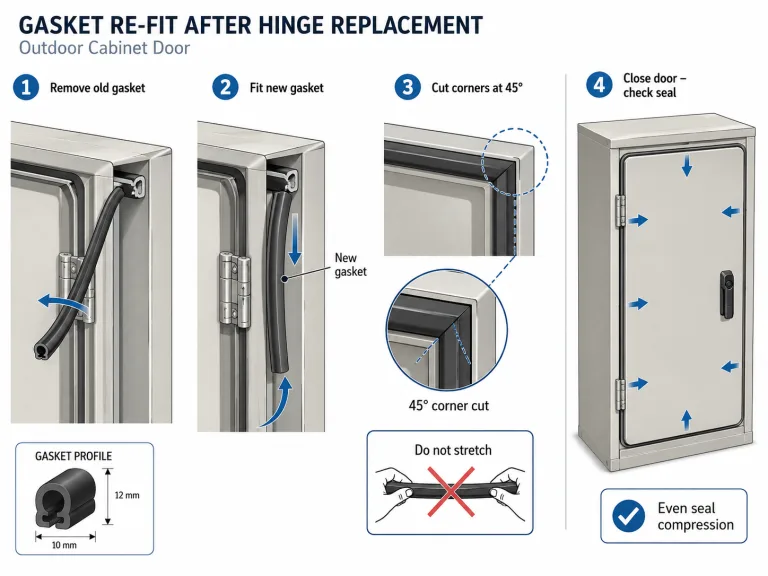
Retrofitting Outdoor Cabinet Hinges: Seal & Alignment Guide
Replacing hinges on an outdoor cabinet is not only a hardware change. If the new hinge position, pivot offset, drilling pattern, or gasket contact line is wrong, the cabinet door may still…
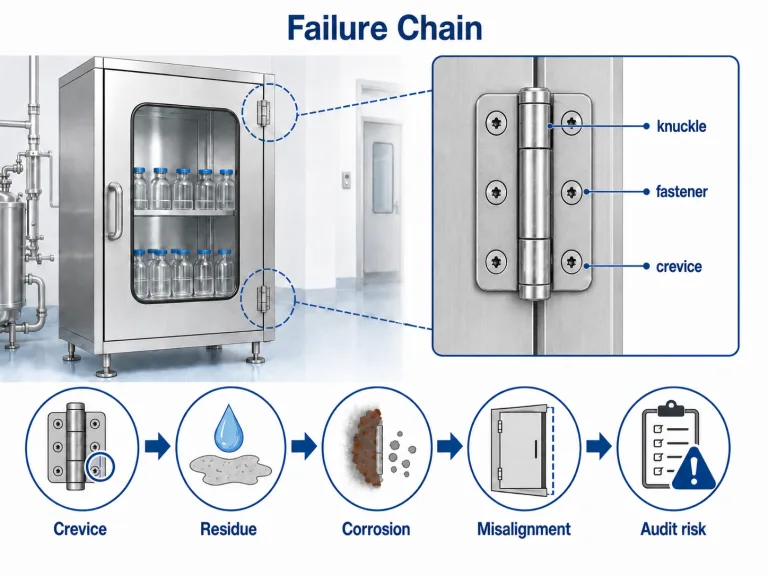
Pharmaceutical Equipment Cabinet Hinges: GMP Selection Guide
Pharmaceutical equipment cabinet hinges are small components, but they can affect cleanability, cabinet sealing, corrosion resistance, access safety, and long-term maintenance in GMP-controlled environments. A hinge that works on a general industrial…
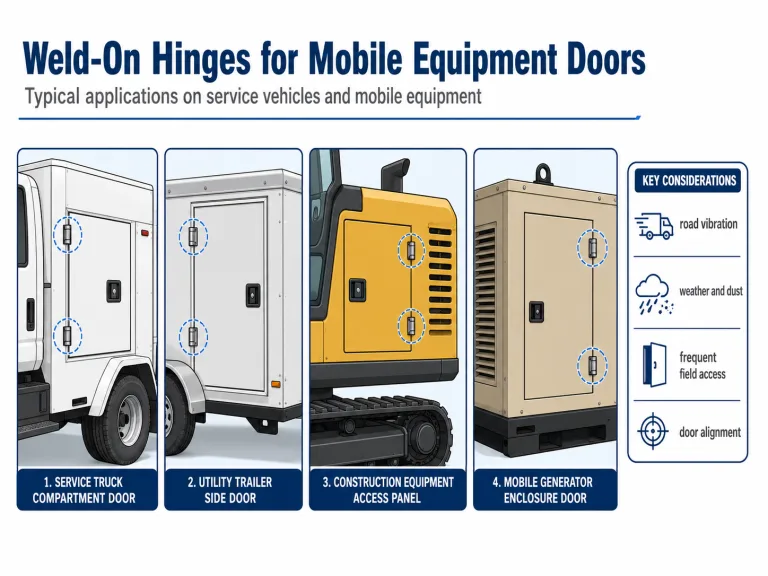
Weld-On Hinges for Mobile Equipment: Selection & Risk Guide
Weld-on hinges for mobile equipment are used when service doors, tool compartments, access panels, trailer doors, and equipment guards must stay aligned under vibration, road shock, repeated opening, and field service conditions.…
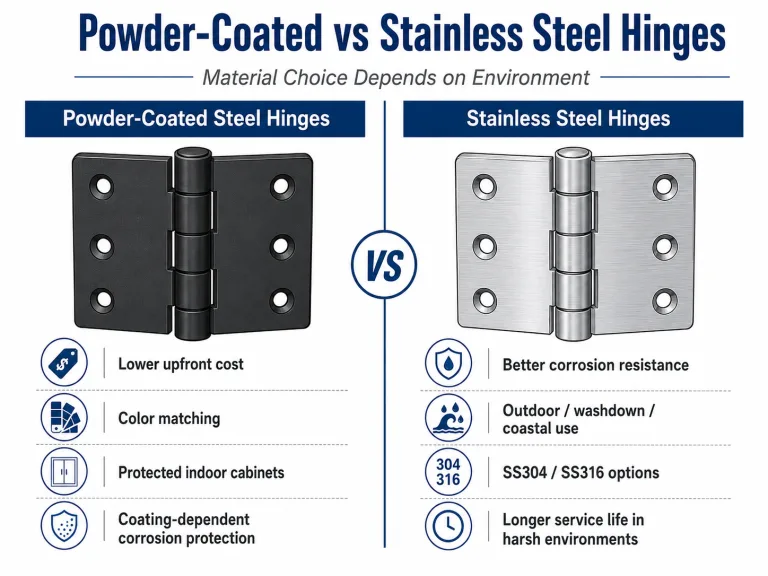
Powder-Coated vs Stainless Steel Hinges: Industrial Selection Guide
Choosing between powder-coated steel hinges and stainless steel hinges is not only a cost decision. In industrial applications, the better choice depends on moisture exposure, corrosion risk, washdown frequency, coating damage, fastener…
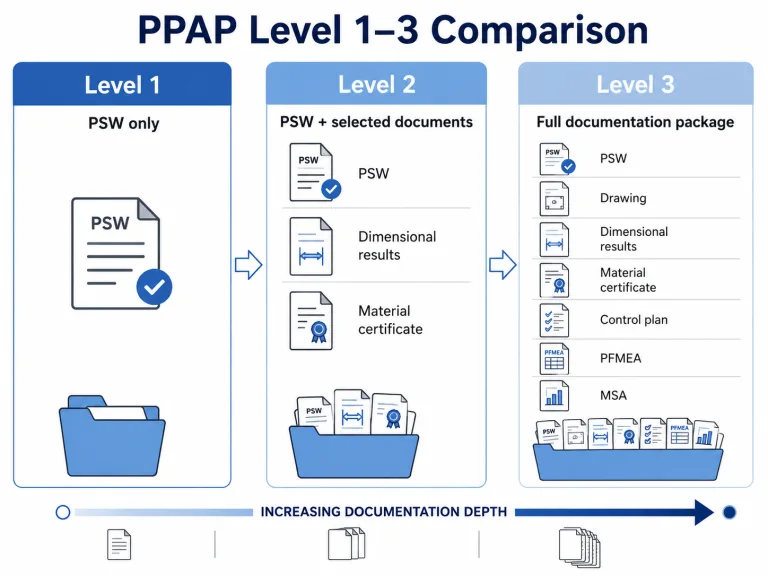
PPAP Requirements for Hinge Suppliers: Level 1–3 Docs
PPAP documentation requirements for hinge suppliers depend on the risk level of the hinge, the customer’s approval process, and the production stage of the project. A simple cabinet hinge, an industrial enclosure…
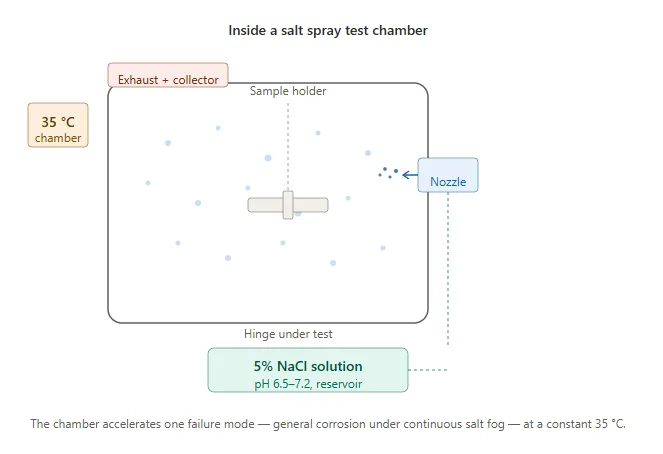
Salt Spray Test Hours for Hinges: 96h vs 240h vs 500h
If you only have ten seconds: salt spray test hours for hinges are accelerated-corrosion benchmarks under ASTM B117 or ISO 9227, and the three numbers you will see on most datasheets —…
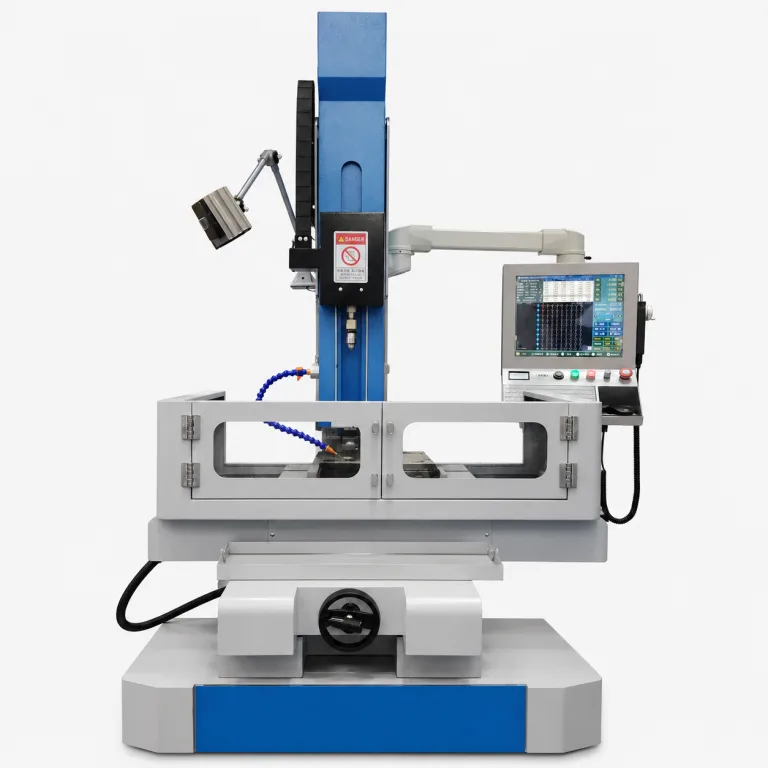
How to Select Safety Guard Hinges by Machine Type
A machine guard can be easy to remove and still be wrong for the machine. The lifted door may strike an overhead cable tray. Its interlock actuator may no longer return to…
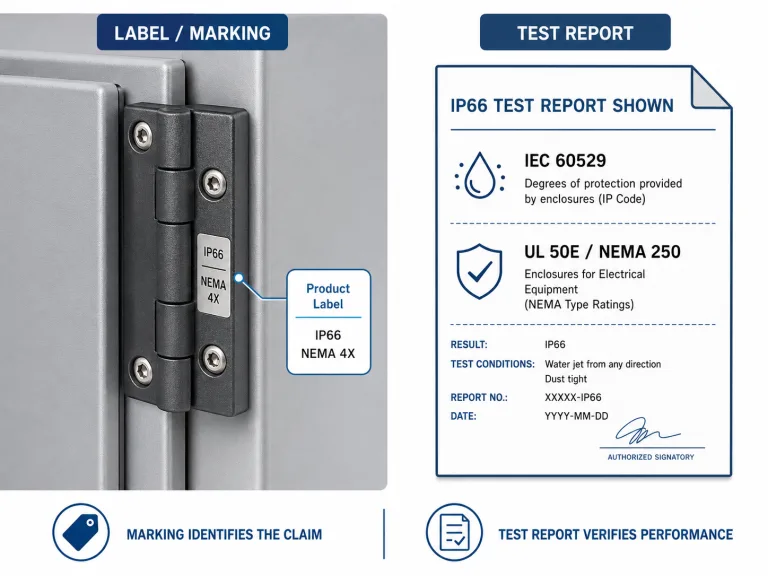
Enclosure Hinge IP Rating Checklist: 12 Specs to Verify
An enclosure hinge IP rating checklist is the fastest way to confirm whether the hinges you are about to specify will actually preserve the cabinet’s IP66, IP67, or NEMA 4X rating in…
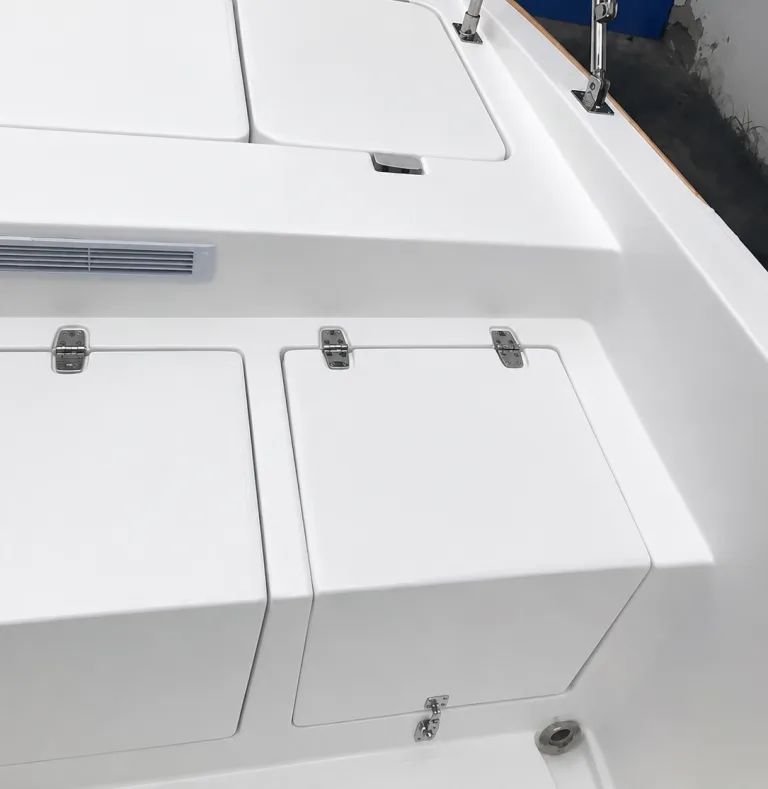
Marine Enclosure Hinges: SS316, Salt Spray & NEMA 4X
Marine enclosure hinges are used on coastal electrical boxes, boat equipment panels, dockside cabinets, offshore service enclosures, control boxes, and outdoor equipment doors exposed to salt spray, humidity, wind-driven rain, and repeated…
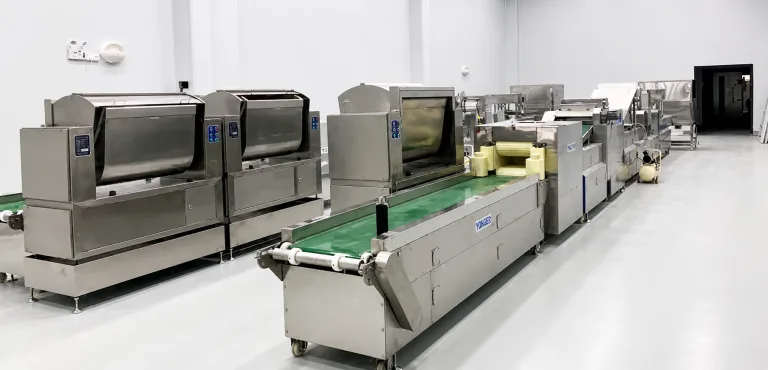
Food Processing Hinges: Washdown & Corrosion Guide
In food processing equipment, hinges are often located exactly where sanitation teams need reliable access: conveyor covers, machine guards, inspection doors, stainless steel cabinets, washdown panels, ingredient hoppers, and service covers. If…
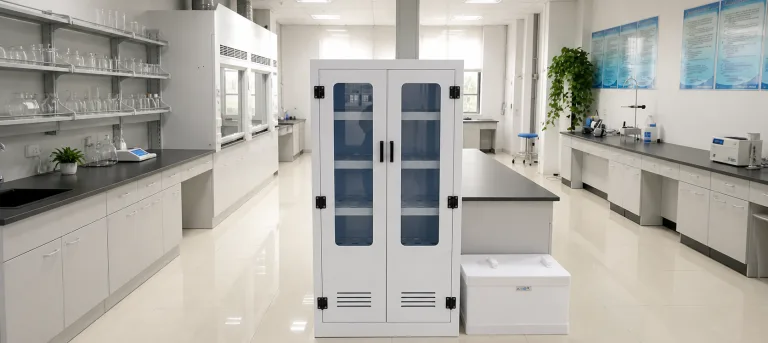
Cleanroom Cabinet Hinges: Stainless Steel & Tool-Free Access
Cleanroom cabinet hinges should be selected for more than basic door movement. In pharmaceutical cleanrooms, medical equipment rooms, laboratory storage areas, electronics manufacturing zones, and controlled assembly environments, the hinge can affect…
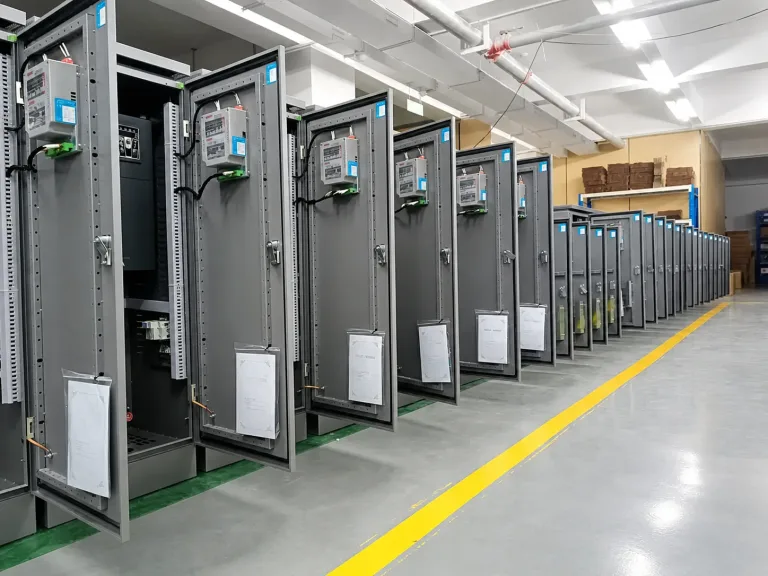
Hinge Solutions for Electrical Enclosures and Control Cabinets
Home›Solutions›Electrical Enclosure & Control Cabinets Electrical Enclosure Solutions Hinge Solutions for Electrical Enclosures and Control Cabinets Match hinge structures to door load, gasket alignment, maintenance access, internal clearance, mounting geometry, and operating…
 English
  한국어
한국어  Русский
  Español
  Italiano
  Deutsch
  Français
  Português