

Marine Enclosure Hinges: SS316, Salt Spray & NEMA 4X
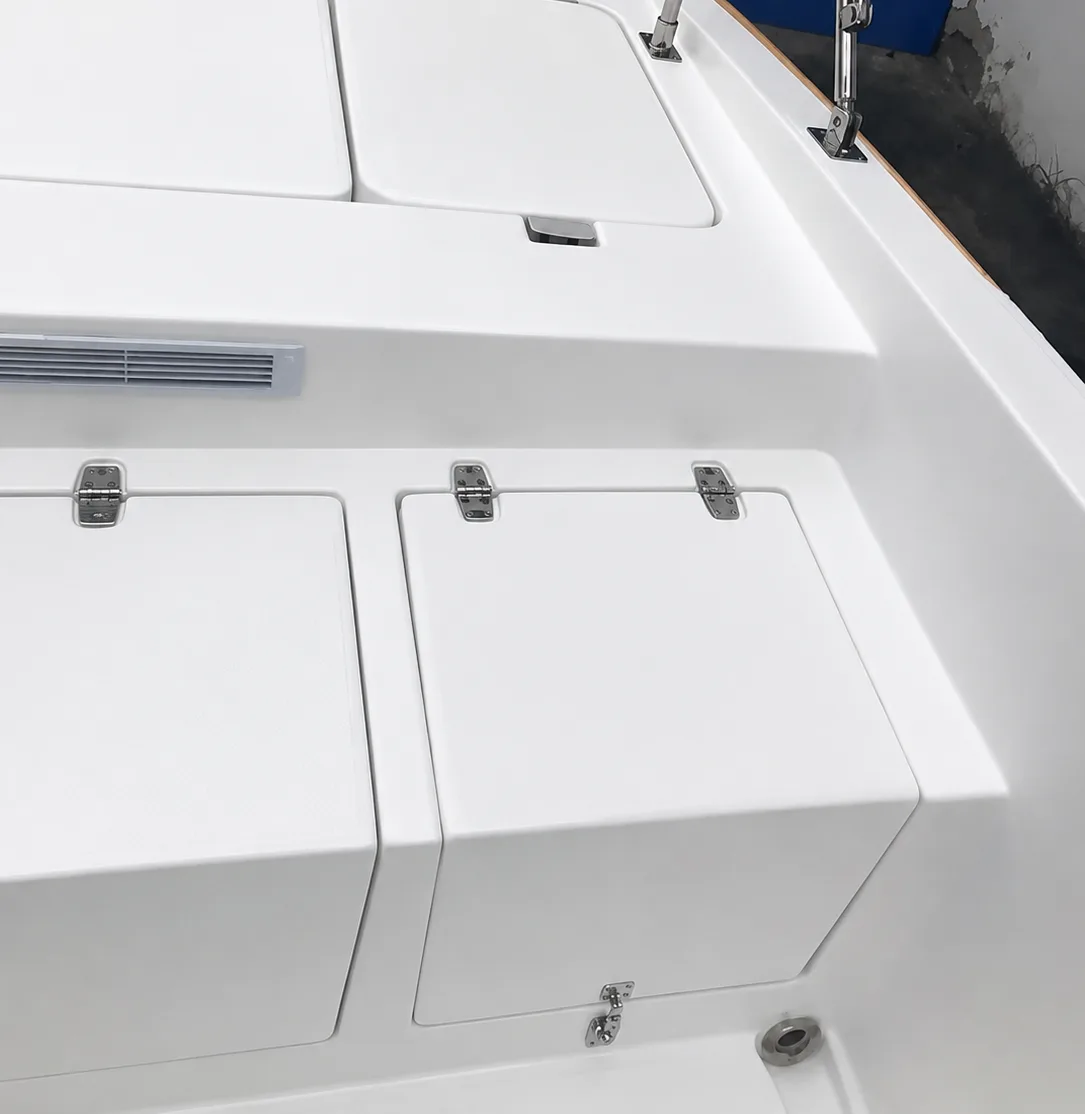
Marine enclosure hinges are used on coastal electrical boxes, boat equipment panels, dockside cabinets, offshore service enclosures, control boxes, and outdoor equipment doors exposed to salt spray, humidity, wind-driven rain, and repeated cleaning. In these environments, the hinge is not only a pivot point. It can affect corrosion resistance, door alignment, gasket compression, access reliability, and long-term enclosure protection.
A hinge that works well indoors may fail quickly near saltwater if the material, fasteners, mounting method, and enclosure rating are not matched to the environment. Corrosion often starts around hinge pins, screw holes, knuckles, crevices, or where stainless steel hardware contacts aluminum or coated metal frames.
This guide explains how to select marine enclosure hinges by looking at real saltwater failure points, exposure level, SS316 stainless steel use, NEMA 4X requirements, galvanic corrosion risk, and inspection needs. For outdoor enclosures exposed to coastal humidity, wind-driven salt, and regular washdown, NEMA 4X hinge selection should be treated as a system decision, not only a material choice.
Why Marine Enclosure Hinges Fail Near Saltwater
Marine and coastal environments expose hinges to chloride-rich moisture, airborne salt, condensation, rain, UV exposure, temperature changes, and vibration. These conditions can attack small details that are easy to miss during hinge selection.
The hinge area combines moving contact, fasteners, dissimilar metals, mounting gaps, and sealing surfaces. This makes it one of the first locations to inspect when a coastal enclosure shows rust staining, door stiffness, gasket leakage, or latch misalignment.
Salt Spray on Hinge Pins, Screws, and Knuckles
Salt spray does not affect only the visible hinge leaf. It can collect around the hinge pin, inside the knuckle, behind the mounting leaf, and around screw heads. If salt residue remains after drying, corrosion risk increases each time the enclosure is exposed to moisture again.
In marine enclosure applications, the hinge should be reviewed as a complete assembly. The hinge body, pin, bushings, screws, washers, and mounting plate all need to resist the same environment. A stainless hinge installed with lower-grade fasteners can still fail around the screw interface.
Crevice Corrosion Behind the Hinge Leaf
Crevice corrosion is a common problem in marine enclosure hinges because saltwater can remain trapped in tight gaps with limited oxygen. These areas may appear small, but they can become active corrosion points behind the hinge leaf, around spacers, inside countersunk holes, or between the hinge and enclosure frame.
Even stainless steel can corrode when salt remains inside crevices, around screw holes, or between dissimilar metals. This is why marine enclosure projects should account for why stainless hardware can still corrode before assuming SS316 alone solves the problem.
Galvanic Corrosion on Aluminum or Coated Enclosures
Many marine and coastal enclosures use aluminum, coated steel, stainless steel, or mixed-metal assemblies. When stainless steel hinges are mounted directly to aluminum or damaged coatings in a wet salt environment, galvanic corrosion can occur around the mounting area.
This risk can often be reduced with compatible fasteners, isolation washers, sealing washers, protective coatings, proper drainage, and careful mounting design. The key is to review the hinge and enclosure frame as one corrosion system, not as separate parts.
Match the Hinge to the Marine Exposure Zone
Not every marine enclosure faces the same corrosion risk. A protected indoor cabinet on a vessel does not face the same exposure as an outdoor dockside electrical box or an offshore equipment panel. Hinge selection should match the actual salt, water, and service exposure.
Indoor Marine Electrical Cabinets
Indoor marine electrical cabinets may be protected from direct rain and spray, but they can still be exposed to humidity, condensation, salt carried on tools or clothing, and occasional cleaning. In these areas, stainless steel hinges are usually preferred over coated carbon steel when long-term corrosion resistance matters.
If the enclosure is installed inside a boat cabin, control room, or protected service area, the key checks are material compatibility, fastener quality, door alignment, and whether condensation can collect around the hinge area.
Coastal Outdoor Enclosures
Coastal outdoor enclosures are exposed to salt-laden air, rain, UV, temperature cycling, and wind-driven moisture. Even if the enclosure is not directly splashed by seawater, salt deposits can remain on hinge surfaces and fasteners.
For these applications, SS316 hinges, compatible stainless fasteners, drainage-friendly mounting, and a corrosion-resistant enclosure design are usually safer than using general-purpose hinges. The hinge should also preserve door alignment so that the gasket remains compressed evenly over time.
Boat, Dock, and Offshore Equipment Panels
Boat hatches, dockside control boxes, offshore service cabinets, and marine equipment panels often see repeated splash, vibration, maintenance access, and aggressive salt exposure. In these environments, hinge failure can lead to difficult access, corrosion staining, enclosure leakage, or door misalignment.
For exposed marine equipment, the hinge should be reviewed for salt spray resistance, pin wear, fastener retention, galvanic isolation, and service access. If the door is heavy or frequently opened, load capacity and wear resistance should be evaluated together with corrosion resistance.
SS316, NEMA 4X, and Salt Spray: What Each One Actually Means
Marine hinge selection often includes three terms: SS316, NEMA 4X, and salt spray testing. They are related, but they do not mean the same thing. Confusing them can lead to under-specified hinges or unrealistic expectations.
When SS304 May Be Too Risky
SS304 stainless steel may be acceptable in lower-salt indoor or protected environments, but it is often risky in marine or coastal outdoor applications. Chloride exposure can cause staining, pitting, and surface roughness, especially around crevices and fasteners.
If the enclosure is near saltwater, exposed to wind-driven salt, or cleaned frequently with water, SS304 should be reviewed carefully. It may reduce initial cost, but replacement labor, staining, corrosion, and service access problems can make it unsuitable for demanding marine conditions.
Why SS316 Is Usually Safer for Marine Enclosures
SS316 stainless steel is usually safer for marine enclosure hinges because it offers better resistance to chloride-related corrosion than SS304. This makes it a stronger candidate for coastal electrical boxes, dockside cabinets, boat equipment panels, and outdoor marine control enclosures.
SS316 is not a guarantee against corrosion. If salt remains trapped behind the hinge leaf, if the fasteners are incompatible, or if the hinge is mounted against aluminum without isolation, corrosion can still begin around the mounting interface.
When SS304, SS316, coated steel, or plated steel are being compared, the decision should reflect salt exposure, fastener compatibility, maintenance access, and expected service life. The broader question is whether the project requires stainless steel material choices that can withstand the real marine environment.
Why NEMA 4X Applies to the Enclosure System, Not Only the Hinge
NEMA 4X is often used in coastal and marine equipment discussions because it addresses protection against water exposure and corrosion. However, the rating applies to the enclosure system, not to the hinge alone as an isolated component.
A hinge can be made from SS316 and still fail to support the enclosure’s protection if it causes door sag, weakens gasket compression, creates water traps, or uses fasteners that corrode. For marine enclosure doors, hinge selection should be reviewed together with the gasket, latch, mounting frame, fasteners, and door alignment.
Marine Enclosure Hinge Selection by Exposure Level
| Marine Exposure Level | Recommended Hinge Direction | Why It Fits | Key Risk to Check |
|---|---|---|---|
| Protected indoor marine cabinet | Stainless steel hinge with compatible fasteners | Supports corrosion resistance in humid or condensation-prone areas | Condensation, fastener staining, and poor door alignment |
| Coastal outdoor enclosure | SS316 hinge with corrosion-resistant mounting hardware | Improves resistance to salt-laden air and rain exposure | Salt deposits, screw corrosion, and gasket compression loss |
| Dockside electrical box | SS316 hinge with isolation and drainage-friendly mounting | Handles splash, salt spray, and frequent service access | Galvanic corrosion, water traps, and fastener loosening |
| Boat equipment hatch or service panel | Marine-grade stainless hinge with reinforced mounting | Supports vibration, movement, and repeated opening | Pin wear, alignment shift, and crevice corrosion |
| Offshore service enclosure | SS316 or higher-spec corrosion-resistant hinge system | Provides stronger resistance for aggressive salt and weather exposure | Crevice corrosion, seal degradation, and difficult maintenance access |
| Mixed-metal enclosure frame | Stainless hinge with isolation washers or compatible mounting design | Reduces galvanic corrosion between dissimilar metals | Direct stainless-to-aluminum contact and coating damage |
Marine Enclosure Hinge Specification Checklist
Before requesting a marine enclosure hinge recommendation, define the installation conditions clearly. Salt exposure, enclosure material, door size, fastener choice, gasket requirement, and opening frequency can all change the hinge direction. A hinge that works on a protected indoor cabinet may not be suitable for a dockside electrical box or offshore service panel.
- Enclosure location: protected indoor, coastal outdoor, dockside, boat-mounted, or offshore.
- Enclosure material: stainless steel, aluminum, coated steel, or mixed-metal structure.
- Door or panel size: width, height, weight, and center of gravity.
- Exposure type: salt spray, rain, washdown, condensation, vibration, or direct splash.
- Material preference: SS316, SS304, coated steel, or special corrosion-resistant material.
- Fastener requirement: stainless fasteners, isolation washers, sealing washers, or custom mounting.
- Sealing requirement: gasket compression, door alignment, and enclosure protection goal.
- Service frequency: occasional access, frequent maintenance, or high-cycle operation.
This information helps engineering teams compare standard marine hinges with custom hinge options before production, especially when corrosion resistance, sealing reliability, and long-term maintenance access are all important.
Installation Details That Reduce Marine Corrosion Risk
Marine hinge performance depends on installation quality as much as material grade. A good hinge can still fail early if saltwater is trapped behind the hinge leaf, if fasteners are incompatible, or if the mounting area damages the enclosure coating.
Use Compatible Fasteners and Isolation Where Needed
Fasteners should be selected together with the hinge and enclosure frame. Stainless hinges installed with lower-grade screws, untreated washers, or exposed carbon steel inserts can develop corrosion at the mounting point even when the hinge body remains intact.
If the enclosure frame is aluminum or another dissimilar metal, isolation washers, sealing washers, non-conductive barriers, or compatible mounting hardware may be needed to reduce galvanic corrosion risk.
Avoid Water Traps Behind the Hinge Leaf
Marine hinge mounting should avoid horizontal pockets where saltwater can remain after rain, splash, or cleaning. Water trapped behind the hinge leaf can concentrate salts and increase corrosion risk at the hidden interface.
During prototype or installation review, rinse the enclosure and observe whether water drains away from the hinge area. If saltwater remains around screw holes, hinge spacers, or mounting slots, the hinge orientation or mounting design should be adjusted.
Check Seal Compression and Door Alignment
Marine enclosure hinges must help maintain door alignment over time. If the door sags or shifts, gasket compression may become uneven, which can reduce the enclosure’s ability to resist rain, spray, or washdown water.
On marine electrical boxes, hinge corrosion can also affect door alignment, gasket compression, and service access. If sealing and door function are part of the design review, the hinge should be evaluated together with the full electrical enclosure door requirements.
Marine Hinge Inspection Checklist
Marine enclosure hinges should be included in regular inspection routines. The inspection should focus not only on whether the door opens, but also on corrosion, alignment, fastener condition, seal compression, and hidden salt accumulation.
- Check hinge pins, knuckles, screws, washers, and mounting holes for staining or pitting.
- Look for salt deposits behind the hinge leaf and around screw heads.
- Inspect whether fasteners remain tight and compatible with the hinge material.
- Check for galvanic corrosion where stainless hinges contact aluminum or coated frames.
- Confirm that the enclosure door closes without binding or scraping.
- Inspect gasket compression around the hinge side and latch side.
- Rinse salt residue from exposed hinge areas when allowed by the maintenance procedure.
- Replace hinges that show severe pitting, binding, cracked bushings, or weakened mounting points.
Inspection frequency should match the exposure level. Protected indoor marine cabinets may need periodic checks, while dockside, coastal outdoor, and offshore equipment panels should be inspected more frequently because salt buildup and fastener corrosion can develop faster.
Common Selection Mistakes for Marine Enclosure Hinges
Assuming All Stainless Steel Hinges Are Marine Grade
Not every stainless steel hinge is suitable for marine exposure. SS304 may stain or pit in chloride-rich environments, and even SS316 requires compatible fasteners and clean installation details. Material grade should be matched to salt exposure and service conditions.
Treating NEMA 4X as a Hinge-Only Rating
NEMA 4X should be considered at the enclosure level. A hinge alone does not make an enclosure NEMA 4X. Door alignment, gasket compression, latch force, mounting holes, fasteners, and corrosion resistance all affect the final enclosure performance.
Ignoring Galvanic Corrosion
Stainless steel hinges mounted directly to aluminum or damaged coated steel can create corrosion problems in wet salt environments. If dissimilar metals must be used together, isolation and compatible mounting hardware should be part of the design.
Using the Same Hinge Across All Marine Zones
A protected indoor cabinet and an exposed dockside electrical box do not need the same hinge specification. Marine enclosure hinges should be selected by exposure level, service frequency, enclosure material, and sealing requirement.
Conclusion
Marine enclosure hinges should be selected as part of the complete enclosure protection strategy. The hinge must resist salt spray, maintain door alignment, support gasket compression, avoid galvanic corrosion, and remain serviceable after repeated exposure to coastal or marine conditions.
The best hinge choice depends on four questions:
- Is the enclosure protected, coastal outdoor, dockside, boat-mounted, or offshore?
- Will the hinge be exposed to salt spray, rain, washdown, or condensation?
- Does the hinge material, fastener material, and enclosure frame work together?
- Will the hinge preserve door alignment and gasket compression over time?
When these questions are answered together, marine enclosure hinges can support both corrosion resistance and enclosure reliability. A well-selected hinge helps reduce staining, pitting, door binding, seal failure, and unplanned maintenance in saltwater environments.
Need Help Selecting Marine Enclosure Hinges?
If your project requires marine enclosure hinges for coastal electrical boxes, boat equipment panels, dockside cabinets, or offshore service enclosures, HTAN can help review the application conditions before selection. Share your enclosure material, exposure level, door size, gasket requirement, fastener preference, opening frequency, and expected maintenance conditions so our engineering team can recommend a hinge direction for salt spray resistance, corrosion control, and long-term access reliability.
For OEM enclosure projects, custom hinge options can also be evaluated based on mounting space, SS316 material requirements, fastener compatibility, drainage needs, isolation design, and NEMA 4X enclosure goals.
FAQ
What hinge material is best for marine enclosures?
SS316 stainless steel is usually preferred for marine enclosure hinges because it provides better resistance to chloride-related corrosion than SS304. However, fasteners, mounting design, isolation, and drainage must also be considered.
Is SS316 enough for salt spray environments?
SS316 is usually safer than SS304 in salt spray environments, but it is not a complete solution by itself. Salt trapped in crevices, incompatible fasteners, galvanic contact, or poor drainage can still cause corrosion.
What does NEMA 4X mean for marine enclosure hinges?
NEMA 4X applies to the enclosure system, not only the hinge. For marine enclosures, the hinge should support corrosion resistance, door alignment, gasket compression, and long-term sealing performance.
Why do stainless steel hinges still corrode near the coast?
Stainless steel hinges can corrode near the coast when salt remains in crevices, around screw holes, behind hinge leaves, or between dissimilar metals. Poor drainage and incompatible fasteners can accelerate the problem.
How often should marine enclosure hinges be inspected?
Inspection frequency depends on salt exposure, rainfall, washdown, vibration, and service access. Dockside, coastal outdoor, and offshore enclosures should be checked more often for pitting, staining, fastener corrosion, door alignment, and gasket compression.

 English
  한국어
한국어  Русский
  Español
  Italiano
  Deutsch
  Français
  Português