

Industrial hinge solutions
Industrial Hinge Solutions for Equipment and Enclosure OEMs
Match hinge structures to the way your equipment door, cover, panel, or display must move, carry load, provide access, and withstand its operating environment. Explore solutions by industry or engineering challenge, then submit the assembly details for an OEM review.
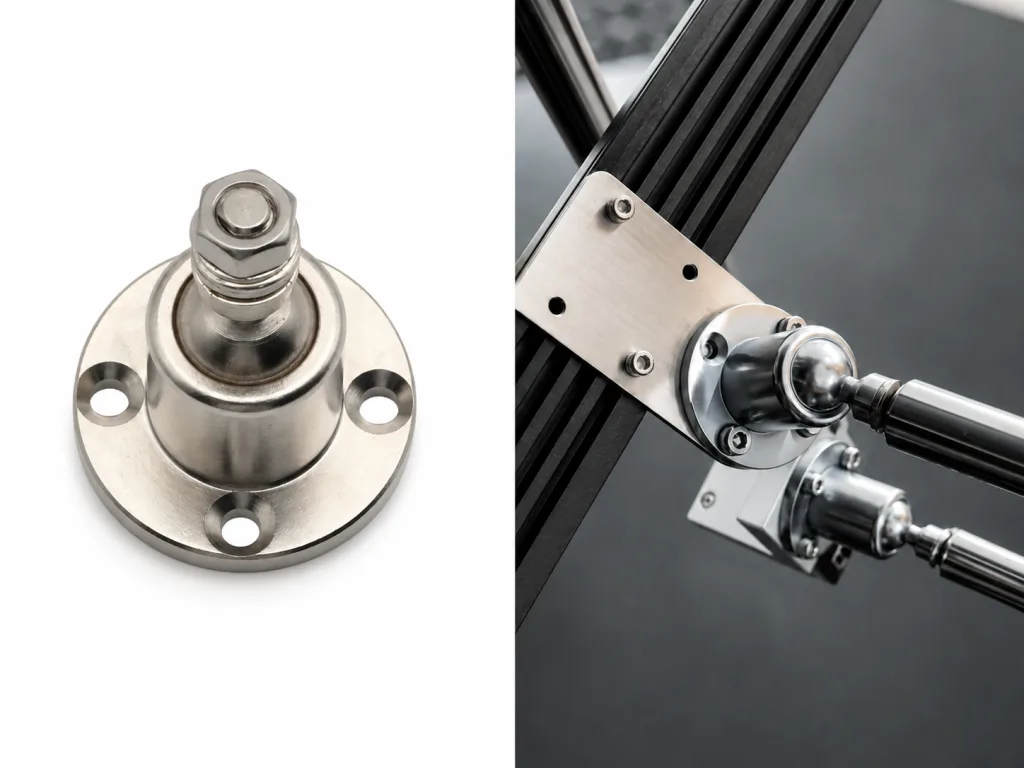
Motion controlHold panels at a selected angle
Access designRemove doors without tools
Structural supportControl sag on heavy or long doors
EnvironmentMatch materials to real exposure
Choose the context
What Are You Designing?
Start with the equipment structure before choosing a catalog hinge. The same product family can behave differently when door size, center of gravity, frame stiffness, fasteners, gasket load, and environment change.
01
Machinery & Operator Equipment
Repeated opening, stable positioning, operator safety, service access, and compact mounting space.
Match by engineering challenge02
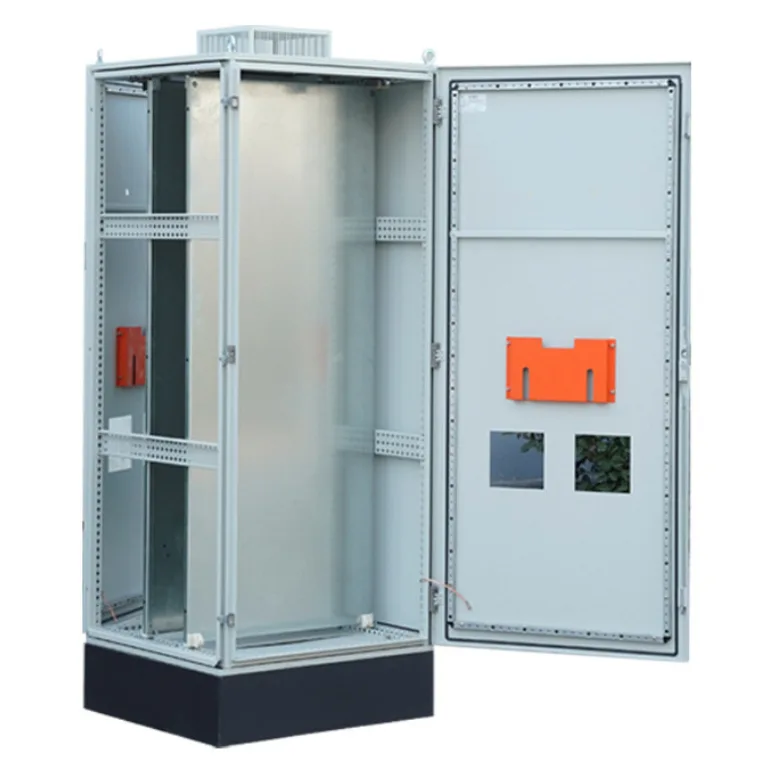
Electrical & Energy Enclosures
Door sag, gasket compression, outdoor corrosion, vibration, service doors, and thermal cycling.
Browse electrical and energy applications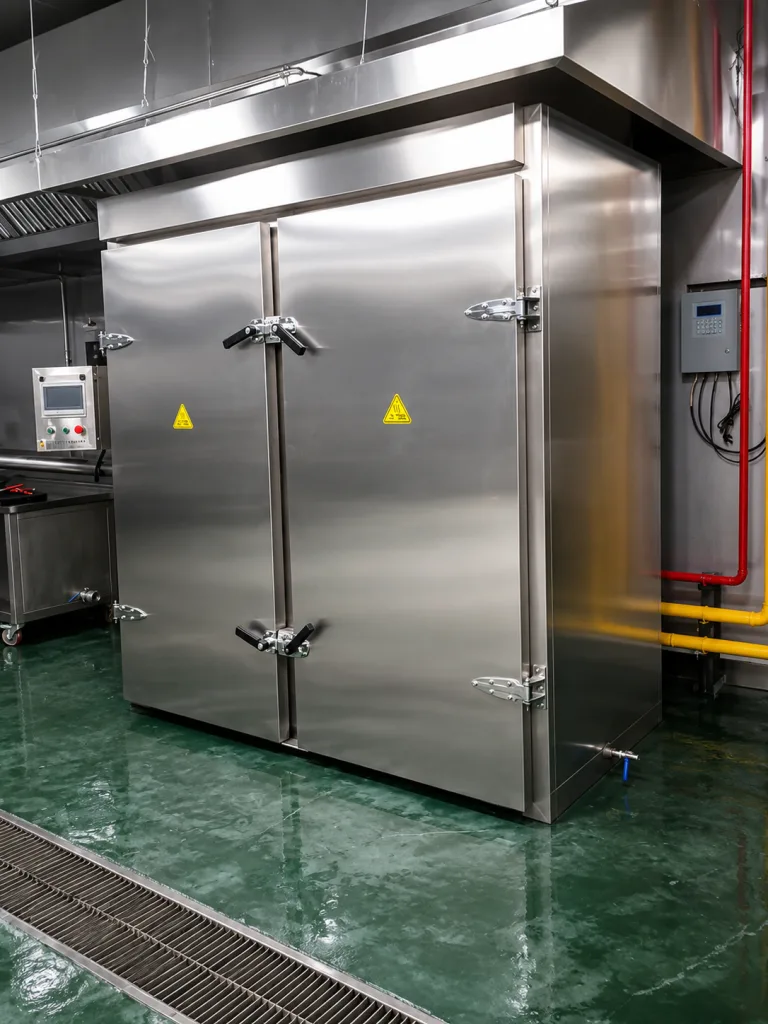
03
Hygienic & Controlled Equipment
Cleanable surfaces, washdown tolerance, removable panels, and fewer contamination traps around hardware.
Browse hygienic equipment applications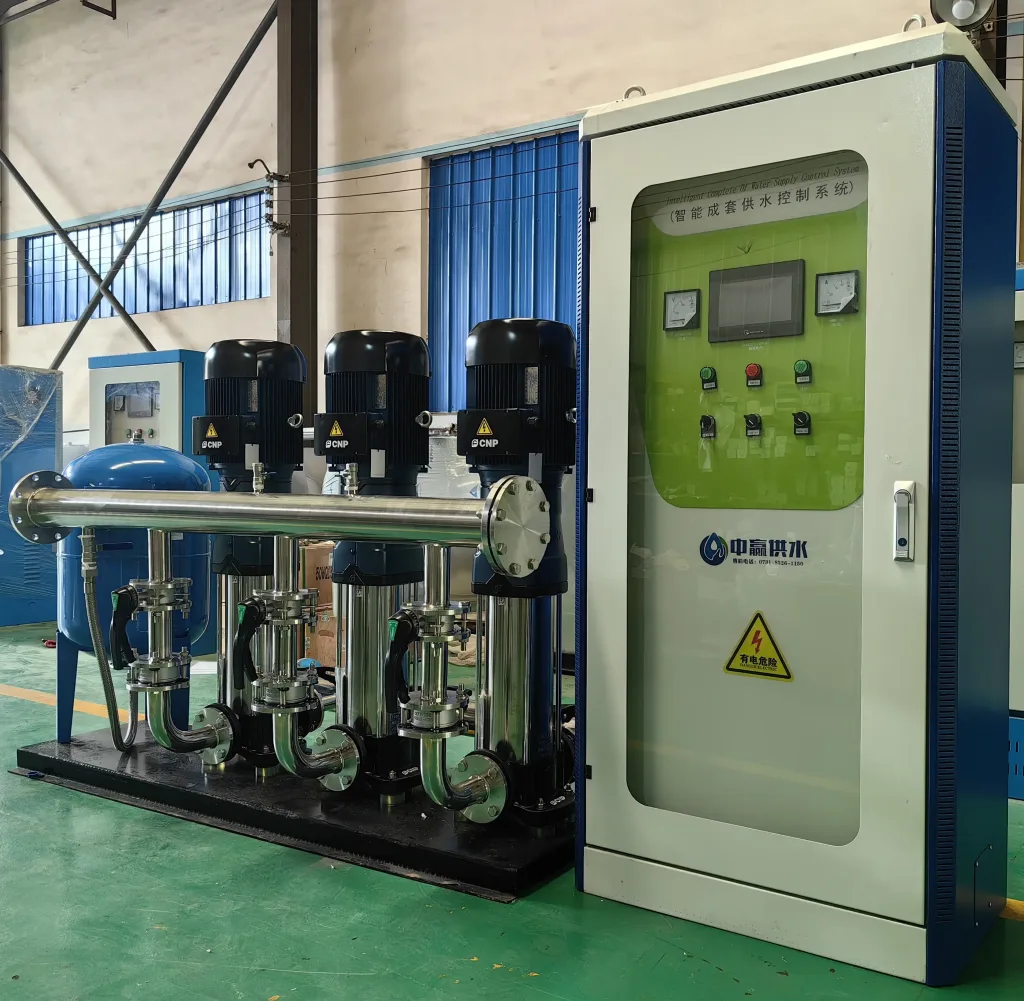
04
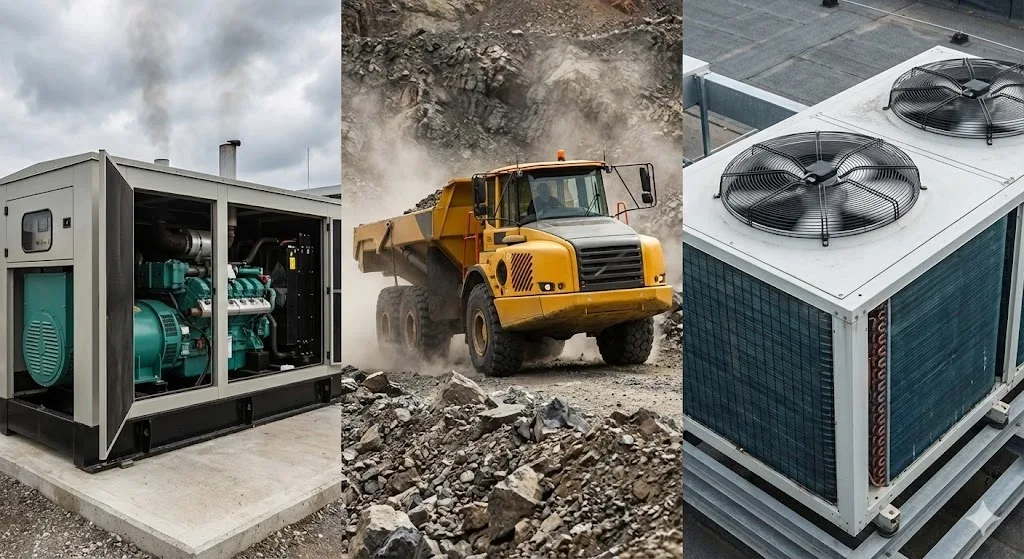
Outdoor & Harsh Environments
Salt, moisture, condensation, chemicals, low temperature, and material compatibility.
Browse harsh-environment applicationsHinge Solutions by Industry and Application
Use these grouped entries to move from broad application context to the most relevant industry page. Future solution areas route to RFQ discussion until a full page is ready.
Electrical & Energy Infrastructure
Outdoor and service-facing enclosures often combine door load, gasket compression, vibration, corrosion, and thermal cycling. These pages help narrow the hinge structure before product selection.
Explore Electrical Enclosure SolutionsDoor sag, gasket compression, grounding continuity, maintenance access.
Check EV Charging Enclosure InputsOutdoor service doors, vandal exposure, fastener corrosion, repeated maintenance.
Explore BESS Door Hinge ApplicationsCabinet doors, cooling layouts, transport vibration, heavy access panels.
Specify Telecom Cabinet Hinge NeedsRemote sites, long idle periods, corrosion, field maintenance access.
Explore Generator Enclosure RequirementsEngine vibration, thermal cycling, acoustic doors, service access.
Assess Solar Inverter Door HingesInternal heat, daily thermal cycling, outdoor exposure, ventilation access.
Hygienic & Controlled Equipment
Cleanable equipment needs hardware that supports service access without creating avoidable soil traps. Material choice, removal method, and surface geometry should be reviewed together.
Explore Food Equipment Hinge RequirementsWashdown, hygienic surfaces, removable panels, 304 and 316L selection.
Match Hinges to Pharmaceutical Equipment DoorsCleaning validation, chemical exposure, smooth surfaces, controlled maintenance.
Harsh Environment Applications
Moisture, salt, chemicals, and outdoor access can make fasteners and material pairing as important as the hinge body itself.
Explore Marine Enclosure Hinge SolutionsSalt exposure, stainless selection, galvanic corrosion, fastening compatibility.
Inspect Water Treatment Cabinet RisksMoisture, chlorides, treatment chemicals, outdoor cabinet access.
Equipment & Motion Control
When a full industry page is not yet published, send the application details so the hinge structure can be reviewed from the assembly requirements.
Discuss Your ApplicationReview hinge requirements for machine guards, robotic cells, inspection covers, operator panels, and service access doors.
Discuss Your ApplicationEvaluate position control, safe lid movement, cleanable surfaces, service access, and compact mounting for professional equipment.
Choose a Hinge by Engineering Challenge
If you do not know the product name yet, start with the behavior you need from the door, cover, panel, or display.
Keep a Panel at Any Angle
For drifting panels, falling lids, or displays that will not hold a viewing angle. Review fixed torque, adjustable torque, and one-way torque hinge options.
Estimate torque before sample reviewSupport a Heavy or Long Door
For sagging doors, twisted long panels, uneven gasket load, or deformation near the hinge mounting area.
Size Support for Long DoorsRemove a Door Without Tools
For service work where the door blocks internal access or removal takes too long. Lift-off hinges can shorten maintenance steps.
Choose Removable or Fixed Door AccessHide Hardware Inside the Enclosure
For tamper resistance, appearance requirements, cleanability, external protrusion limits, or safer exterior surfaces.
Choose Exposed or Concealed LayoutsWeld Directly to a Steel Frame
For steel doors, high-load frames, vibration, or limited bolt space where the load path must be welded.
Check Weld-On Mounting RisksResist Corrosion, Washdown or Low Temperature
For salt exposure, washdown, condensation, chemical cleaners, or low-temperature operation.
Select material for the exposureHinge Types Used Across These Applications
Torque Hinges
Hold panels, covers, and displays at selected angles when position control is the main behavior.
View torque hinge categoryHeavy-Duty Hinges
Support larger doors, long panels, and equipment covers where mounting load paths must be controlled.
View heavy-duty hinge category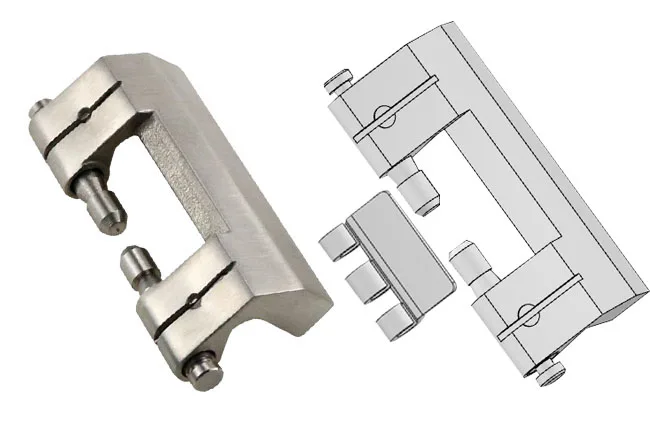
Concealed Hinges
Place hardware inside the enclosure for appearance, tamper resistance, cleaning, or exterior clearance needs.
View concealed hinge category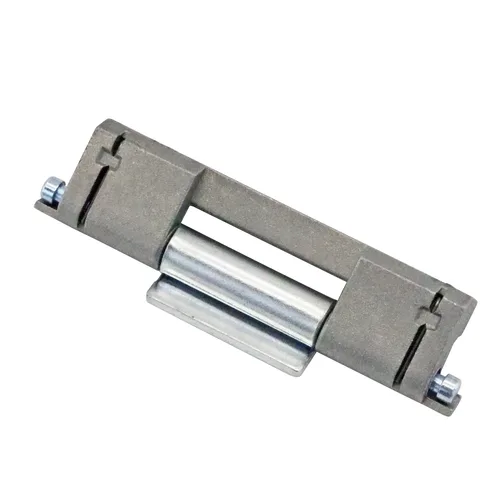
Lift-Off Hinges
Let service teams remove doors or access panels without tools when maintenance clearance matters.
View lift-off hinge category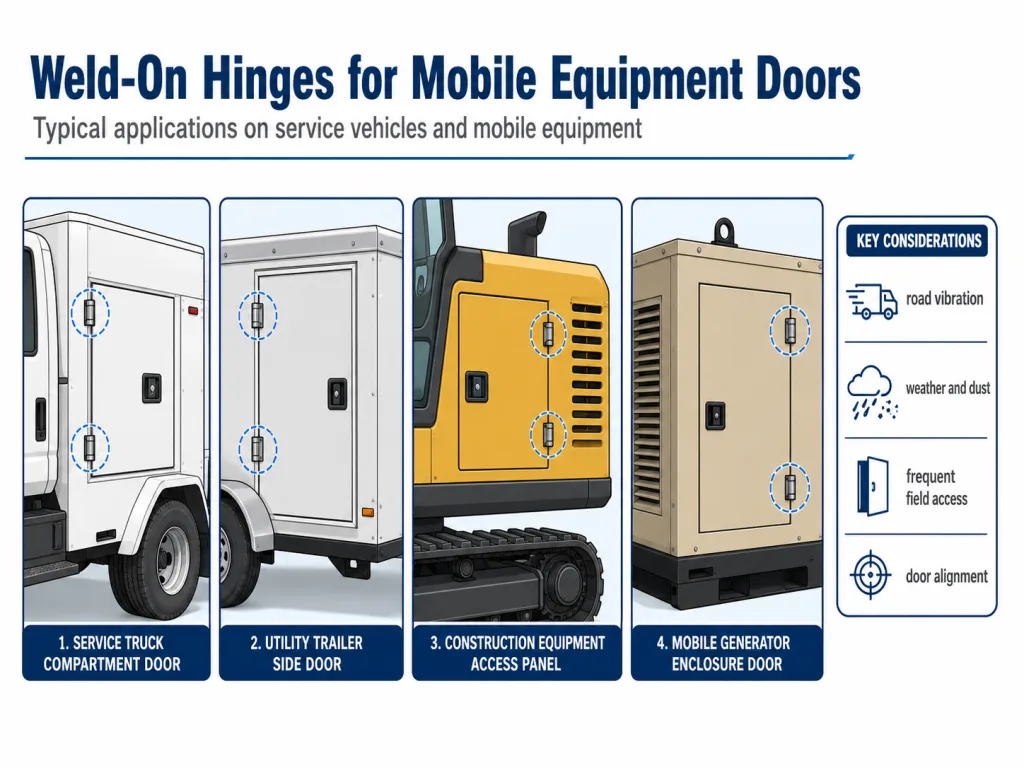
Weld-On Hinges
Attach directly to steel structures when bolts are impractical or the frame needs a welded load path.
View weld-on hinge category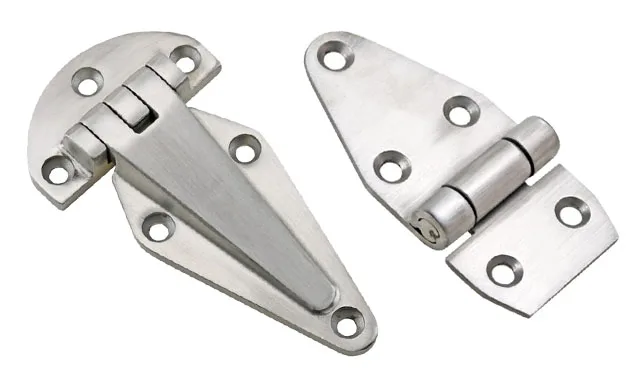
Cold-Storage Hinges
Serve freezer doors, cold rooms, and low-temperature equipment where condensation and door weight are common issues.
View cold-storage hinge categoryHow We Support an OEM Hinge Project
Application Review
Share door or panel dimensions, weight, center of gravity, opening angle, installation direction, and operating environment.
Hinge Structure Recommendation
Confirm whether the assembly needs position control, heavy-load support, tool-free removal, concealed mounting, weld-on mounting, corrosion resistance, or low-temperature operation.
Drawing and Mounting Review
Check hole spacing, available mounting space, frame stiffness, rotation clearance, door gap, gasket position, and orientation.
Sample Validation
Validate fit, mounting, torque feel, opening and closing behavior, door alignment, and application-level performance on the actual assembly.
Production Confirmation
Confirm material, finish, orientation, torque range, packaging, inspection requirements, and expected order quantity before locking the specification.
Engineering Evidence Behind the Recommendation
Application Review
Review starts from the equipment assembly: door size, panel weight, mounting direction, clearance, gasket load, access frequency, and outdoor exposure.
Sample Fit Check
Sample review checks mounting face, hinge spacing, opening clearance, door alignment, fastener support, and whether service access works on the actual assembly.
Production Specification
Final confirmation covers material, finish, orientation, torque range, packaging, inspection points, and expected order quantity before production.
Validation Boundary: Final hinge performance depends on the complete door, frame, fastener, gasket, and operating environment. Recommendations are engineering guidance and should be validated on the actual assembly before production approval.
Engineering Resources for Hinge Selection
Torque Hinge Sample Testing Checklist
For OEM buyers and engineers validating free-stop motion, torque feel, installation direction, and application-level behavior.
Use the torque hinge sample checklistCustom vs Standard Hinges
For sourcing teams deciding whether catalog parts, modified geometry, or a new hinge design is the practical route.
Decide when a custom hinge is justifiedEnclosure Hinge IP Rating Checklist
For cabinet teams reviewing gasket compression, door alignment, fasteners, and hinge interfaces as part of an enclosure system.
Check enclosure-level rating inputsFrequently Asked Questions
What information is needed to select an industrial hinge?
Start with door size, weight, center of gravity, mounting space, opening angle, environment, and the expected service behavior. A drawing or photo helps confirm geometry.
Can one hinge provide both position control and quick removal?
Sometimes. Lift-off torque hinges may support both functions, but the load, orientation, and safety requirements must be reviewed before sample approval.
How do I choose between concealed, lift-off, and weld-on hinges?
Choose concealed hinges for internal hardware, lift-off hinges for service removal, and weld-on hinges for steel frames or high-load mounting paths.
Can an existing hinge be customized for different mounting geometry?
In many projects, hole pattern, leaf shape, material, finish, or orientation can be reviewed. The practical limit depends on volume, tooling, and performance requirements.
Should hinge samples be tested on the actual door or panel?
Yes. Bench checks are useful, but final behavior depends on the door, frame, gasket, fasteners, alignment, and operating environment.
What to Send for a Hinge Recommendation
Include the equipment type, door dimensions, weight, mounting space, operating environment, and expected quantity. A drawing, photo, or existing hinge specification can help us review the mounting geometry.
- Equipment type and door or panel size
- Door weight and center-of-gravity distance
- Opening direction, angle, and hold-open behavior
- Mounting space, material, finish, and environment
- Expected quantity and sample approval requirements
DRAWING / PHOTO REVIEW
Start with the assembly details you already have.
You do not need to know the exact hinge name before contacting HTAN. Send the application, dimensions, weight, mounting space, environment, and any drawing or photo you already have.
Submit Your Application English
  한국어
한국어  Русский
  Español
  Italiano
  Deutsch
  Français
  Português