

Hinges for EV Charging Enclosures: Weather & Access Guide
EV charging station enclosures are opened for inspection, wiring, control-module service, cable management, and field maintenance. When the hinge is underspecified, the problem is not only a door that feels loose. A poor hinge choice can lead to door sag, uneven gasket compression, water ingress near the hinge side, corrosion around fasteners, difficult service access, and repeated field adjustment.
For OEM buyers and enclosure engineers, hinges for EV charging station enclosures should be selected as part of the full cabinet system. The hinge, door weight, frame stiffness, gasket line, latch position, surface finish, and service access all work together. If one part is ignored, the enclosure may look correct during assembly but create maintenance or sealing problems after installation.
This guide focuses on practical hinge selection for EV charging cabinets and similar outdoor electrical enclosures. It uses real enclosure-door scenarios and hinge drawing review logic to help buyers evaluate weather exposure, vandal risk, corrosion resistance, door alignment, and supplier approval before production. If the door uses a torque or position-control hinge that must hold open in extreme outdoor temperatures, the related guide on outdoor torque hinges and why stainless can fail in EVSE covers the torque-consistency failure mode in more depth; this page focuses on the full enclosure-door hinge system rather than torque behavior alone.
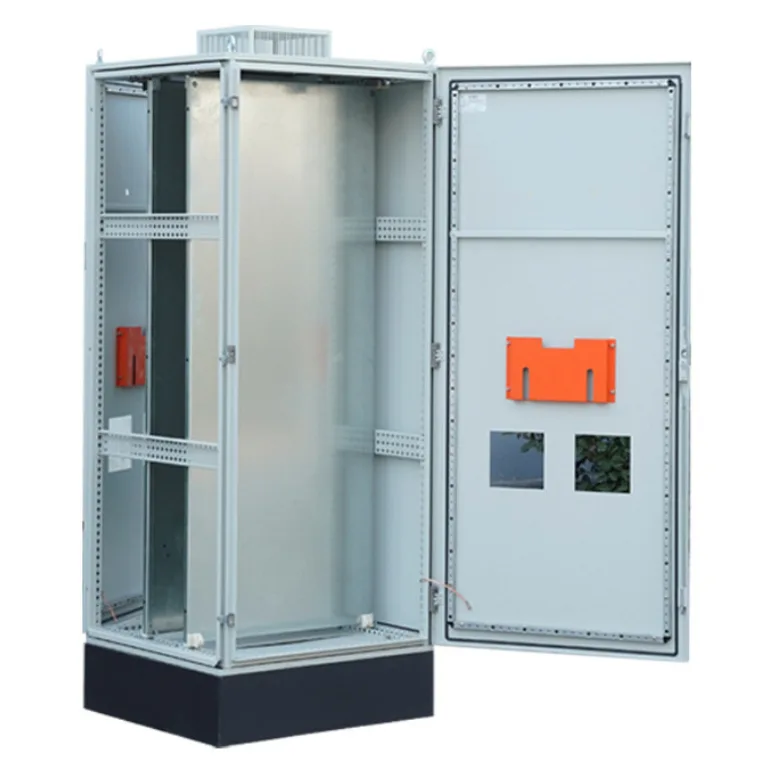
Why EV Charger Doors Fail in Public Outdoor Installations
An EV charging enclosure door usually carries more responsibility than a normal cabinet door. It protects electrical components, control modules, wiring, ventilation areas, meters, payment hardware, communication devices, and service access points. The door may be opened by technicians many times over its service life, while also facing outdoor weather, vibration, impact, and possible tampering.
The hinge-side problems often appear gradually. A door starts closing unevenly. The latch requires more force. The gasket is compressed more on one side than the other. The hinge screws loosen after repeated service. Rainwater or dust begins to collect near the hinge side. In high-traffic public locations, pry marks or impact damage may also appear around the door edge.
That is why hinge selection should not be based only on catalog appearance. Buyers should check how the hinge supports the actual door size, opening direction, enclosure frame, gasket compression, outdoor exposure, and maintenance workflow.
The Failure Chain: Door Sag → Water Ingress → Service Downtime
Most enclosure door failures begin with small mechanical issues. A hinge may be slightly undersized for the door width. The mounting face may not sit flat. The hinge pin may develop play. Fasteners may loosen after repeated opening. These small issues can change how the door sits against the frame.
The failure chain often develops like this:
- The hinge does not fully support the enclosure door weight or width.
- The door begins to sag or shifts slightly at the hinge side.
- The latch and gasket no longer compress evenly.
- Water, dust, or humidity can enter near the weak sealing area.
- Technicians spend more time adjusting, repairing, or replacing door hardware.
For EV charging stations, this can become a business problem. A cabinet that is difficult to open, does not close reliably, or loses sealing performance can increase service time and reduce equipment availability. The hinge is a small part, but it can affect the whole enclosure’s reliability.
Real Enclosure Access Conditions Buyers Should Check
Before selecting a hinge, buyers should review how the enclosure door will actually be used. EV charging stations and electrical control cabinets are not always accessed in clean, controlled conditions. A technician may need to open the door outdoors, near traffic, in rain, in coastal air, or inside a crowded service area.
When the enclosure includes breakers, meters, communication modules, ventilation components, or internal cable routing, the door must open wide enough for safe service. If the hinge limits access, binds during opening, or causes the door to drift, maintenance becomes slower and less predictable.
The practical review should include:
- Door height, width, and approximate weight
- Hinge-side gasket position and compression requirement
- Service frequency and expected opening angle
- Public access, roadside access, or restricted service area
- Outdoor weather, rain, dust, salt air, or industrial pollution
- Material compatibility between hinge, fasteners, door, and frame
- Whether the door needs anti-lift, concealed, or tamper-resistant hardware
If the same hinge is used across multiple cabinet sizes, the largest and widest door should be checked first. Door width can create leverage that a simple “door weight only” review may miss.
Key Hinge Selection Factors for EV Charging Cabinets
The best hinge direction depends on the enclosure’s environment and service role. A small indoor wall-mounted charger does not need the same hinge strategy as a public fast-charging cabinet near a roadside or coastal area.
| Selection Factor | Why It Matters | What Buyers Should Verify |
|---|---|---|
| Door load and width | Wide or heavy doors create sag and latch alignment risk | Door size, hinge spacing, hinge count, frame stiffness |
| Weather exposure | Rain, humidity, dust, and temperature changes affect long-term movement | Material, surface finish, drainage, gasket-side alignment |
| Corrosion risk | Outdoor and coastal installations can stain or corrode hinge areas | Stainless grade, fastener compatibility, coating quality |
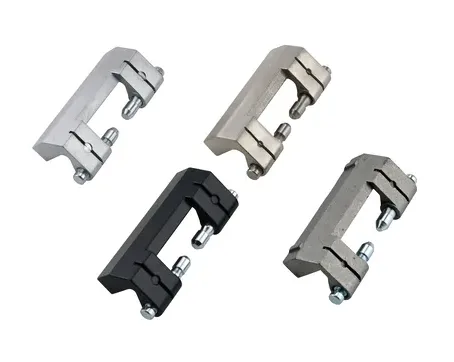
| Vandal or tamper risk | Public stations may face prying, pulling, or impact around the door edge | Concealed design, anti-lift features, protected pin area |
| Service access | Technicians need stable opening and safe access to internal modules | Opening angle, door control, clearance, maintenance workflow |
| Gasket compression | Uneven compression can create water or dust ingress near the hinge side | Door alignment, hinge axis, latch force, gasket position |
| Supplier evidence | Production approval should be based on drawings and material details | Dimension drawing, material, surface treatment, sample review |
For outdoor cabinet applications, hinge material should be reviewed together with fasteners and the enclosure frame. If the hinge is stainless steel but the fasteners or mounting surface are not compatible, staining or galvanic corrosion can still appear. When corrosion resistance is a major concern, buyers should understand why stainless steel hinges can still corrode before approving the final material combination.
Which Hinge Type Fits Different EV Charging Station Scenarios?
There is no single hinge type that fits every EV charging enclosure. The right choice depends on door size, access frequency, security requirement, environment, and mounting method.
| EV Charging Scenario | Main Risk | Recommended Hinge Direction | What to Confirm |
|---|---|---|---|
| Public roadside charging cabinet | Tampering, weather exposure, repeated service | Concealed or protected hinge with corrosion-resistant material | Anti-lift design, fastener protection, door alignment |
| Coastal charging station enclosure | Salt air, staining, pitting, fastener corrosion | SS316 or project-specific stainless solution | Material grade, fasteners, drainage, surface finish |
| Workplace or parking-garage charger | Moderate use, lower weather exposure | Stainless or coated hinge based on budget and environment | Access frequency, humidity, service clearance |
| Large power module cabinet | Door weight, sag, gasket compression loss | Heavy-duty or multi-hinge configuration | Door width, hinge spacing, frame stiffness |
| Control or communication compartment | Frequent inspection and internal wiring access | Compact hinge with stable alignment | Opening angle, clearance, wire protection |
| Indoor charger cabinet | Lower corrosion risk, cost control | Standard industrial hinge if load and alignment are acceptable | Door weight, mounting method, maintenance frequency |
If the charger enclosure is designed around an IP or NEMA protection target, the hinge should not be reviewed alone. Door alignment, gasket compression, latch force, and hinge-side sealing all need to support the enclosure’s protection goal. For broader protection-rating decisions, the IP-rated enclosure hinge checklist should be reviewed together with the EV cabinet design.
What OEM Buyers Should Verify Before Approval
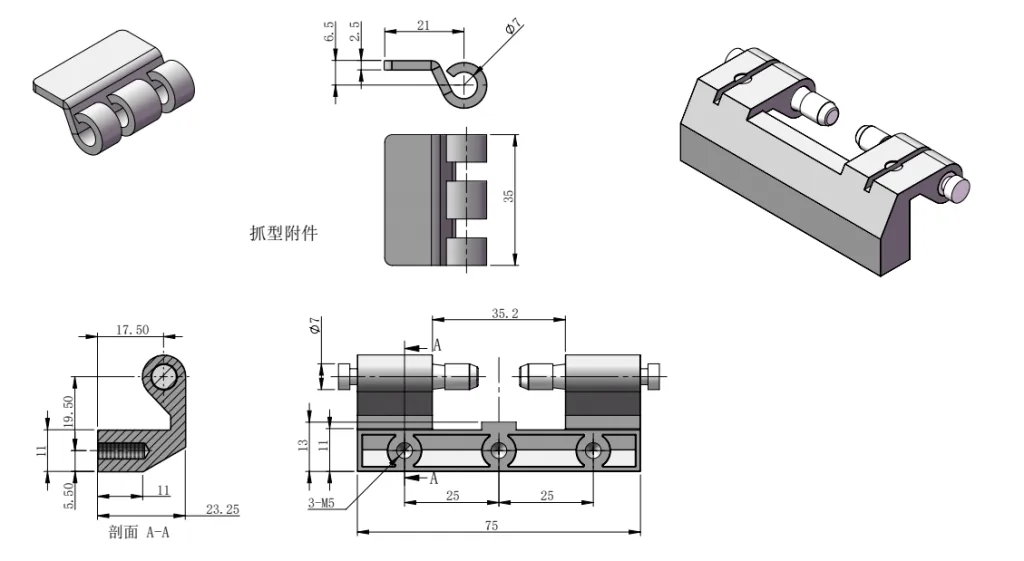
Before approving a hinge for an EV charging station enclosure, buyers should check both the real application and the hinge drawing. A product photo alone is not enough. The drawing and sample should confirm whether the hinge fits the door structure, mounting space, material requirement, and production process. EV supply equipment is also built against safety frameworks such as IEC 61851-1, the general requirements for EV conductive charging systems, so enclosure hardware decisions should fit within the project’s overall compliance scope.
| Approval Item | What to Check | Why It Matters |
|---|---|---|
| Drawing match | Hinge length, pin diameter, mounting holes, offset, opening direction | Prevents sample fit problems during cabinet assembly |
| Door and frame fit | Hinge position, frame clearance, door gap, gasket line | Supports stable sealing and smooth door movement |
| Material selection | SUS304, SUS316, zinc alloy, coated steel, or custom material | Matches corrosion risk and mechanical requirements |
| Surface treatment | Brushed, black, sandblasted, plated, powder-coated, or passivated finish | Affects appearance, corrosion resistance, and wear behavior |
| Fastener compatibility | Screw material, thread engagement, anti-loosening method | Reduces loosening and corrosion around mounting points |
| Opening and service access | Opening angle, clearance, technician access, cable protection | Ensures the enclosure can be serviced efficiently |
| Security requirement | Exposed pin, anti-lift risk, concealed mounting, tamper resistance | Improves protection in public or roadside installations |
| Sample validation | Installed fit, door alignment, movement, surface condition | Confirms the hinge works on the actual cabinet, not only on paper |
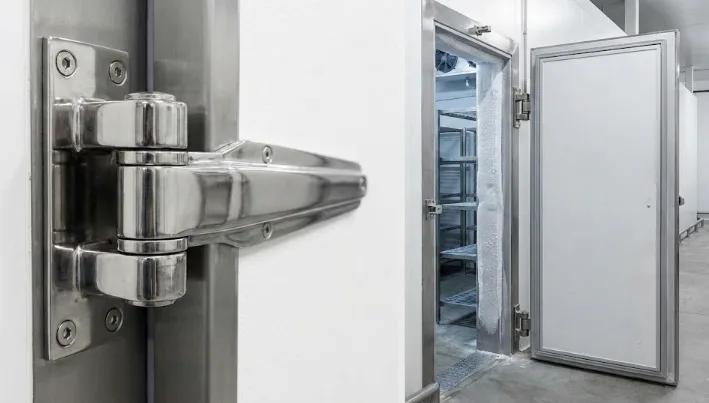
For larger or heavier charger doors, a hinge should be reviewed using the same mechanical logic as other heavy access doors. If the door is wide, gasketed, or frequently opened, a heavy-duty hinge selection process based on door weight and width can help avoid sag and uneven loading before production.
Common Mistakes When Selecting EV Charger Enclosure Hinges
Mistake 1: Choosing by Material Only
Stainless steel is useful, but material alone does not solve every enclosure problem. A stainless hinge with poor alignment, exposed fasteners, weak mounting, or an unsuitable pin design can still create service and sealing issues.
Mistake 2: Ignoring the Gasket-Side Effect
The hinge side affects how the door compresses the gasket. If the hinge axis, door gap, or mounting face is not controlled, the latch side may close while the hinge side remains weak. This can reduce weather protection even when the enclosure appears closed.
Mistake 3: Using the Same Hinge for Every Cabinet Size
A hinge that works on a small charger access panel may not work on a large power module cabinet. Door width, door weight, hinge spacing, and frame stiffness should be reviewed for each cabinet size.
Mistake 4: Overlooking Public-Site Abuse
Public charging stations may face pulling, prying, impact, or forced service access. If the hinge pin, fasteners, or mounting leaves are exposed, the hinge may become one of the weak points in the enclosure system.
Mistake 5: Approving a Hinge Without Installation Review
A hinge drawing may look suitable, but the actual installation can reveal problems with clearance, fastener access, gasket interference, or door movement. Buyers should confirm the hinge on the real cabinet or a representative sample before mass production.
What to Send a Hinge Supplier Before Selection
To recommend a suitable hinge for an EV charging station enclosure, the supplier needs more than a product photo. The hinge should be selected around the cabinet’s real structure and environment.
- Cabinet type: public fast charger, wall-mounted charger, power module cabinet, control compartment, or service cabinet
- Door height, width, thickness, and approximate weight
- Opening direction and required opening angle
- Frame material and door material
- Target environment: indoor, outdoor, coastal, roadside, industrial, parking garage, or high-humidity area
- Required corrosion resistance or surface finish
- Gasket position and sealing requirement
- Latch position and lock arrangement
- Vandal or tamper-resistance expectations
- Preferred material: SUS304, SUS316, zinc alloy, steel, or custom option
- Required documentation: drawing, material certificate, surface treatment, sample report, or test evidence
Clear information allows the supplier to recommend a hinge direction instead of guessing. This also helps avoid a common problem: approving a hinge that looks acceptable as a sample but fails after it is installed on the real enclosure door.
Final Recommendation
For EV charging station enclosures, hinge selection should begin with the door and environment. Review the door size, hinge-side gasket line, service access, corrosion exposure, and public-site security risk before choosing the hinge type or material. A good hinge should support smooth opening, stable alignment, weather protection, and long-term maintenance access.
For protected indoor chargers, a standard industrial hinge may be enough if the door is light and service access is limited. For outdoor, coastal, roadside, or public charging stations, buyers should consider stronger hinge protection, compatible fasteners, corrosion-resistant material, and better control of the hinge-side sealing area. When the enclosure door is large or frequently accessed, sample installation should be reviewed before production approval.
FAQ
What hinges are suitable for EV charging station enclosures?
Suitable hinges depend on the enclosure door size, outdoor exposure, service frequency, corrosion risk, gasket requirement, and vandal risk. Outdoor public charging cabinets often need corrosion-resistant hinges with stable alignment, protected mounting, and reliable service access.
Should EV charger cabinet hinges use stainless steel?
Stainless steel is often preferred for outdoor or corrosion-sensitive EV charger cabinets, but the final choice should also consider fasteners, frame material, surface finish, drainage, and the actual environment. Stainless material alone does not guarantee good sealing or vandal resistance.
How do hinges affect water ingress in EV charging enclosures?
Hinges affect door alignment and gasket compression. If the hinge side sags, shifts, or does not compress the gasket evenly, water and dust may enter near the door frame even when the latch side appears closed.
Are concealed hinges better for EV charging station cabinets?
Concealed hinges can improve appearance and reduce exposed tamper points, but they are not automatically best for every cabinet. Buyers should also check load support, opening angle, service access, corrosion resistance, and installation clearance.
What should OEM buyers check before approving EV charger enclosure hinges?
OEM buyers should check door size, door weight, hinge spacing, mounting holes, material, surface treatment, fastener compatibility, opening angle, gasket alignment, tamper risk, corrosion exposure, and whether the sample works on the actual enclosure door.
Need Help Selecting EV Charger Enclosure Hinges?
If your project involves EV charging station enclosures, outdoor electrical cabinets, power module doors, control compartments, or service access panels, HTAN can help review the door size, hinge mounting space, material, surface finish, corrosion exposure, gasket requirement, and service access needs before hinge selection. Share your cabinet drawing, door weight, environment, preferred material, and opening requirement, and our engineering team can help recommend a hinge direction for your application.



 English
  한국어
한국어  Русский
  Español
  Italiano
  Deutsch
  Français
  Português