

Hinge Gasket Material Selection: EPDM vs Silicone vs Neoprene
Hinge-side sealing problems often start before the enclosure door looks damaged. A cabinet may close correctly during assembly, but the wrong gasket material can lose compression, swell after chemical exposure, crack outdoors, tear under repeated movement, or fail to seal around the hinge side after long-term service.
For OEM buyers, enclosure engineers, and maintenance teams, hinge gasket material selection is not only a rubber-material choice. It affects water ingress, gasket compression, door alignment, hinge load, corrosion risk, service intervals, and whether the enclosure can maintain its intended protection in real use.
This guide compares EPDM, silicone, and neoprene from an industrial enclosure perspective. It focuses on hinge-side gasket use around electrical cabinets, EV charging station enclosures, outdoor control boxes, washdown equipment, and access panels where the door must keep a reliable seal while being opened and closed over time.
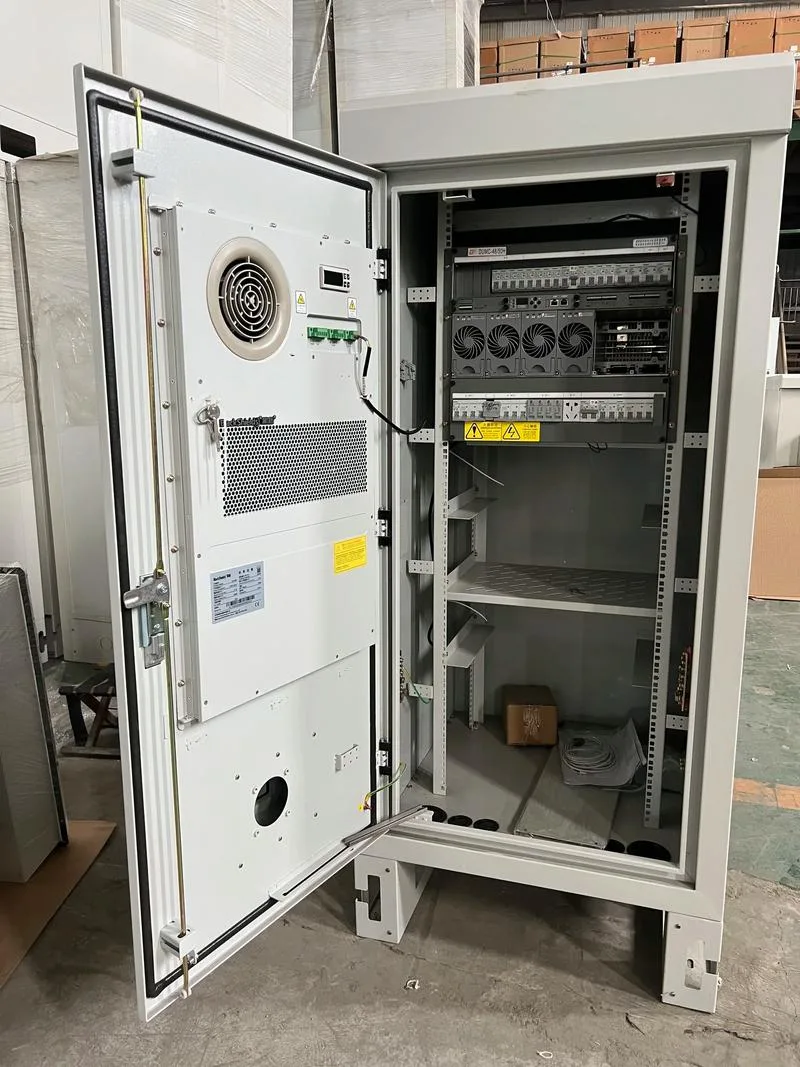
If the main question is whether the whole enclosure can maintain an IP or NEMA protection target, the hinge gasket should be reviewed together with door alignment, latch force, and hinge-side sealing. The broader IP-rated enclosure hinge checklist should be used when protection-rating validation is part of the project.
Why Hinge-Side Gaskets Fail Before the Door Looks Damaged
The hinge side of an enclosure door is a difficult sealing area. Unlike the latch side, the hinge side is controlled by pivot geometry, door weight, gasket compression, frame stiffness, and the distance between the hinge axis and the sealing line. If these factors are not balanced, the gasket may be compressed too much in one area and too little in another.
A gasket material that works well on a flat test strip may perform poorly when installed around a moving door. Repeated opening can create shear, rubbing, uneven compression, and edge wear. Outdoor exposure can add UV, ozone, water, dust, salt air, and temperature cycling. Industrial equipment may also introduce oil mist, cleaning chemicals, heat, or vibration.
That is why the material should be chosen by application condition, not by general material reputation. EPDM, silicone, and neoprene can all be suitable, but each one fails differently when used in the wrong environment.
The Failure Chain: Wrong Gasket Material → Compression Loss → Water Ingress
Most hinge gasket failures do not begin as dramatic cracks or visible leaks. They usually begin with small material changes that reduce sealing pressure over time.
- The selected gasket material does not match the environment.
- The gasket hardens, swells, tears, cracks, or loses recovery after compression.
- The hinge side no longer compresses evenly against the enclosure frame.
- Water, dust, cleaning liquid, oil mist, or humidity enters near the weak sealing area.
- Internal corrosion, service callbacks, gasket replacement, or enclosure reliability issues follow.
This is especially important for outdoor electrical cabinets and EV charging enclosures. If the gasket loses compression near the hinge side, the enclosure may still appear closed, but the sealing path may no longer be reliable. For EV cabinet applications where hinge-side sealing, door sag, and service access are part of the same problem, the related guide on hinges for EV charging station enclosures should be reviewed together with gasket material selection.
EPDM vs Silicone vs Neoprene: What Changes in Real Enclosure Use
The best gasket material depends on what the enclosure must survive. EPDM is commonly selected for outdoor weathering and water exposure. Silicone is often considered when temperature flexibility or high-temperature resistance is more important. Neoprene is often used where moderate oil resistance or general industrial durability is required.

| Material | Best Fit | Main Risk | Buyer Should Confirm |
|---|---|---|---|
| EPDM | Outdoor enclosures, rain exposure, UV/ozone conditions, general water sealing | Poor compatibility with oils, fuels, and some hydrocarbons | Outdoor grade, compression set, hardness, water exposure, UV/ozone requirement |
| Silicone | High or low temperature applications, controlled areas, soft sealing needs | Can tear more easily under mechanical abuse or repeated rubbing | Tear strength, reinforcement, temperature range, compression recovery, cleaning exposure |
| Neoprene | Industrial areas with moderate oil, grease, or chemical exposure | Lower long-term UV/ozone resistance than EPDM in exposed outdoor use | Oil exposure, UV exposure, hardness, swelling risk, replacement interval |
Do not select a gasket only from a material name. Different formulations of EPDM, silicone, and neoprene can behave differently. The same elastomer family can be specified across a wide range of hardness, heat resistance, and oil resistance, which is exactly why engineers use a line call-out under ASTM D2000, the standard classification system for rubber materials, to define grade by type (heat aging) and class (oil swell). Buyers should request a datasheet or sample and confirm the grade against the actual environment, not a generic description.
Which Gasket Material Fits Each Enclosure Environment?
The table below gives a practical starting point for industrial enclosure projects. It should be treated as a selection guide, not a substitute for material testing or supplier confirmation.
| Application Environment | Likely Gasket Direction | Why | What to Check Before Approval |
|---|---|---|---|
| Outdoor electrical cabinet | EPDM | Strong fit for weather, rain, UV, and ozone exposure | Compression set, UV grade, sealing profile, hinge-side gasket pressure |
| EV charging cabinet | EPDM or project-specific material | Needs weather resistance, door sealing, and long-term outdoor stability | Door size, hinge-side compression, water ingress risk, fastener corrosion |
| High-temperature access panel | Silicone | Better fit when elevated temperature is the main requirement | Tear strength, reinforced grade, compression recovery, movement pattern |
| Oil-exposed machinery cover | Neoprene | Better fit than EPDM when moderate oil or grease exposure is expected | Oil type, swelling, hardness change, replacement interval |
| Washdown equipment cabinet | EPDM or silicone depending on cleaning exposure | Water, chemicals, and cleaning frequency affect material choice | Cleaning agent compatibility, surface hygiene, gasket retention, corrosion risk |
| Cold storage or low-temperature enclosure | EPDM or silicone | Material must remain flexible enough to seal after repeated opening | Low-temperature flexibility, door closing force, compression recovery |
| Indoor control box | EPDM, neoprene, or custom profile | Lower exposure risk allows more cost and fit flexibility | Fit, compression, door alignment, service frequency |
If the enclosure is used in washdown, food-processing, or controlled environments, gasket material should be reviewed together with hinge cleanability, fasteners, and corrosion control. For wet or cleaning-exposed equipment, the broader food processing equipment hinge selection may also be relevant when sanitation access is part of the design.
What OEM Buyers Should Verify Before Approval
Before approving a hinge gasket material, OEM buyers should check how the gasket behaves in the real door assembly. A material can look suitable on a datasheet but still fail if the gasket profile, compression, adhesive, door alignment, or hinge geometry is wrong.
| Approval Item | What to Check | Why It Matters |
|---|---|---|
| Material grade | EPDM, silicone, neoprene, or custom compound | Confirms the material matches the environment |
| Hardness | Shore A hardness or supplier-specified hardness range | Affects compression, closing force, and sealing pressure |
| Compression set | Recovery after long-term compression | Prevents permanent flattening and sealing loss |
| Temperature exposure | Operating and storage temperature range | Prevents cracking, hardening, or loss of flexibility |
| UV and ozone exposure | Outdoor or sunlight exposure level | Important for outdoor cabinets and EV enclosures |
| Oil or chemical contact | Lubricants, fuels, cleaning agents, coolant, or solvent exposure | Prevents swelling, softening, or chemical attack |
| Gasket profile | Shape, thickness, hollow/solid section, adhesive backing, retention method | Controls compression and installation reliability |
| Hinge-side compression | Door gap, hinge axis, gasket line, latch pressure | Prevents weak sealing near the hinge side |
| Sample installation | Installed fit on the actual door or representative sample | Confirms the gasket works in the real assembly |
For outdoor cabinets, gasket material should also be reviewed with metal hardware. Moisture can collect around the hinge side, fasteners, and gasket edge. If stainless hinges, steel frames, coated surfaces, and gasket materials are used together, buyers should also understand why stainless steel hinges can still corrode in wet or chemically exposed environments.
Common Mistakes When Selecting Hinge Gasket Materials
Mistake 1: Choosing by Temperature Only
Temperature range is important, but it is not the only selection factor. A high-temperature gasket may still be unsuitable if it tears under hinge-side movement, loses compression, or reacts poorly to chemicals in the environment.
Mistake 2: Using EPDM Where Oil Exposure Is Expected
EPDM is often strong for outdoor weathering, but it is not the first choice where oils, fuels, or hydrocarbon exposure are expected. In those applications, buyers should review neoprene or another oil-resistant material direction with the supplier.
Mistake 3: Assuming Silicone Is Always the Premium Choice
Silicone can be useful for temperature flexibility, but it can be more vulnerable to tearing or mechanical damage in some moving-door applications. If the gasket will be rubbed, pulled, or compressed unevenly near the hinge side, reinforcement or profile design may matter more than the material name.
Mistake 4: Ignoring Compression Set
A gasket can look correct when new but fail after remaining compressed for a long period. Compression set affects whether the gasket recovers when the door opens and whether it can keep sealing pressure after repeated closing.
Mistake 5: Testing Material Without the Real Door
A flat material sample does not show how the gasket behaves around hinges, corners, latch pressure, and frame tolerances. Buyers should confirm the gasket on the actual door structure or a representative sample before production approval.
What to Send a Gasket or Hinge Supplier
A supplier cannot recommend the correct hinge gasket material from a material name alone. The gasket should be selected around the enclosure’s environment, door structure, and sealing requirement.
- Enclosure type: electrical cabinet, EV charger cabinet, outdoor control box, washdown cabinet, machinery cover, or cold storage door
- Door size, door weight, hinge position, and opening frequency
- Expected temperature range
- Outdoor exposure: UV, ozone, rain, salt air, dust, or industrial pollution
- Oil, grease, fuel, coolant, solvent, or cleaning chemical exposure
- Target protection requirement, such as IP or NEMA goal if applicable
- Gasket profile: flat strip, bulb seal, hollow profile, adhesive-backed, or mechanically retained
- Required hardness, compression, and recovery expectations
- Door gap, latch force, and hinge-side gasket compression
- Required documents: datasheet, material certificate, sample report, or compatibility statement
Providing these details helps the supplier recommend a material and profile that match the real application. It also reduces the risk of approving a gasket that looks correct as a sample but fails after installation.
Final Recommendation
Choose EPDM when the main risk is outdoor weathering, rain, UV, ozone, and general water sealing. Choose silicone when temperature flexibility or high-temperature exposure is the main requirement, but verify tear strength and profile design. Choose neoprene when moderate oil, grease, or industrial chemical exposure is more important than long-term direct UV exposure.
For industrial enclosures, the material decision should always be checked against the actual door assembly. The best gasket is not simply the material with the highest temperature range or the lowest cost. It is the material and profile that can maintain compression, recover after repeated door movement, resist the local environment, and support the enclosure’s sealing requirement near the hinge side.
FAQ
Which gasket material is best for outdoor enclosure hinges?
EPDM is often a strong starting point for outdoor enclosure hinge gaskets because it is commonly used for weather, water, UV, and ozone exposure. Buyers should still confirm the exact grade, hardness, compression set, gasket profile, and exposure conditions before approval.
When should silicone be used for hinge gaskets?
Silicone is useful when temperature flexibility or high-temperature exposure is a major requirement. However, buyers should verify tear strength, compression recovery, and whether the gasket profile can handle repeated door movement without damage.
When is neoprene better than EPDM for hinge gaskets?
Neoprene may be a better direction when moderate oil, grease, or certain industrial chemical exposure is expected. EPDM is generally not the first choice for oil or fuel exposure, so the actual fluid contact should be reviewed with the supplier.
Can the wrong gasket material cause water ingress near the hinge side?
Yes. If the gasket hardens, swells, tears, or loses compression recovery, the hinge side may no longer seal evenly against the frame. This can allow water, dust, or humidity to enter even when the door appears closed.
What should OEM buyers check before approving hinge gasket material?
OEM buyers should check material grade, hardness, compression set, temperature range, UV and ozone exposure, oil or chemical compatibility, gasket profile, hinge-side compression, and installed fit on the actual enclosure door or representative sample.
Need Help Choosing Hinge Gasket Materials?
If your project involves outdoor electrical cabinets, EV charging enclosures, washdown equipment, control boxes, cold storage doors, or industrial access panels, HTAN can help review the hinge-side sealing requirement together with the hinge structure, door weight, gasket profile, compression, material exposure, and service environment. Share your enclosure drawing, operating conditions, gasket profile, and sealing target, and our engineering team can help recommend a suitable hinge and gasket material direction.

 English
  한국어
한국어  Русский
  Español
  Italiano
  Deutsch
  Français
  Português