

Blog
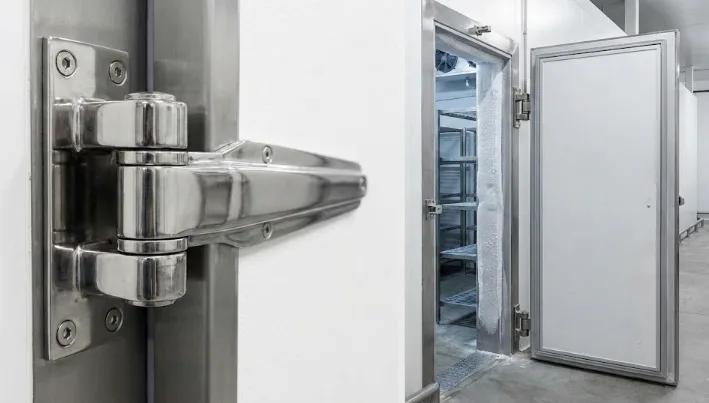
How to Select Cold Storage Hinges for Load, Gasket Compression and Low-Temperature Service
Door Load, Offset, Gasket Compression, Condensation & Low-Temperature Movement Cold storage hinges do more than carry an insulated door. They establish the pivot axis that controls door position, gasket approach, closing behavior,…
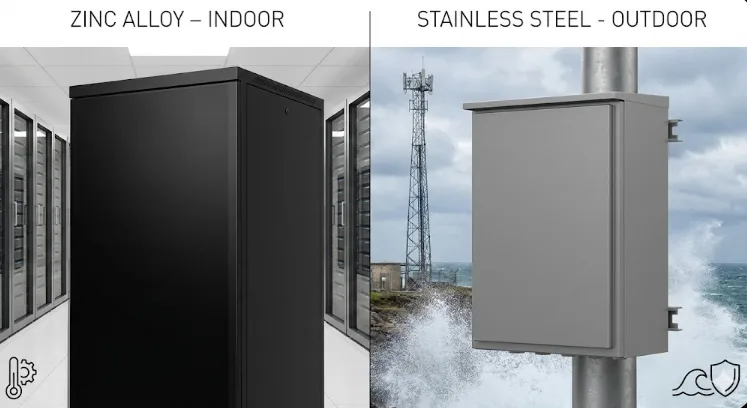
Zinc Die-Cast vs. Stainless Steel Concealed Hinges: A Sourcing Guide to Cost & Performance
In the realm of industrial hardware design, Concealed Hinges are not merely passive connectors; rather, they are critical components that define overall equipment reliability. Consequently, selecting the correct material is a strategic…

Custom Torque Hinges: 6 Critical Specs to Prevent Product Failure
In my consulting career, I have seen too many excellent product designs fail due to one inconspicuous component: the hinge. The disaster scenario is common: The procurement department, rushing to meet a…

2 Nm Torque Hinge Procurement Guide
In the supply chain management of mechanical structural components, 2 Nm (Newton-meters) is often regarded as the key turning point in measuring project complexity. Applications below 2 Nm typically belong to handheld…
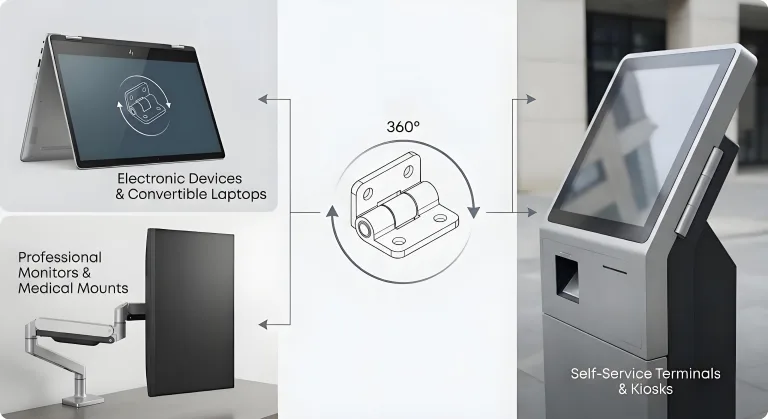
360-Degree Friction Hinges: An Engineering Guide for Electronics and Kiosks
In modern hardware design projects, a clear trend has emerged: user demands for device flexibility have surpassed the limits of single-function capability. Whether for a doctor in a medical environment or an…
0.5 Nm Torque Hinges: Engineering Principles, Failure Modes, and Application Guidelines
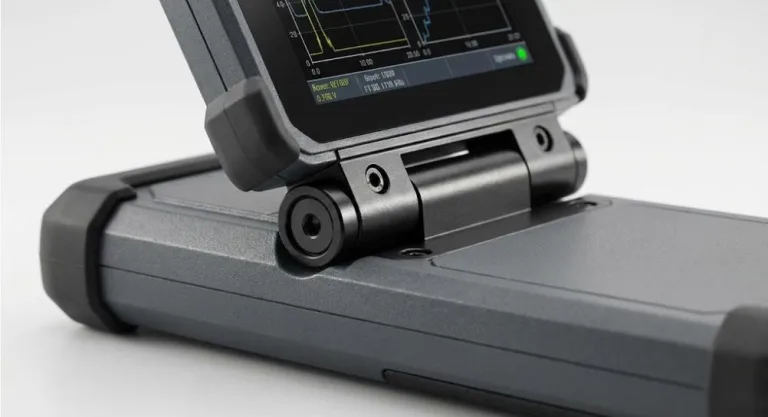
Figure 1: Close-up application of a 0.5 Nm torque hinge on a rugged industrial handheld device, showing the pivot mechanism for screen positioning. Why Focus on the 0.5 Nm Specification? In the…
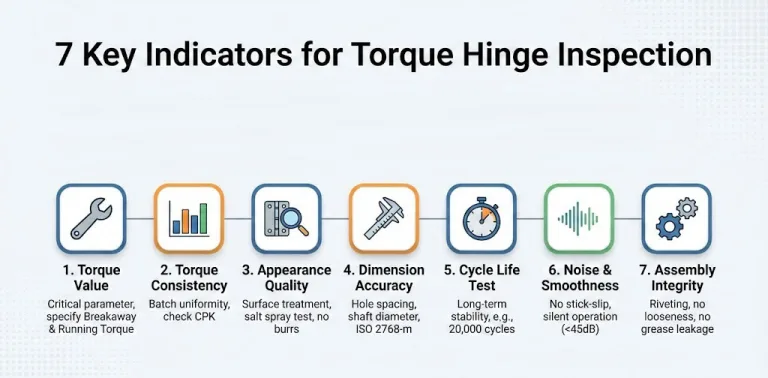
7 Key Indicators for Torque Hinge Inspection (Procurement Guide)
In the procurement of industrial hardware, a Torque Hinge is not just a connector. It is the core component that controls the movement “feel” and positioning stability of a device. Based on…
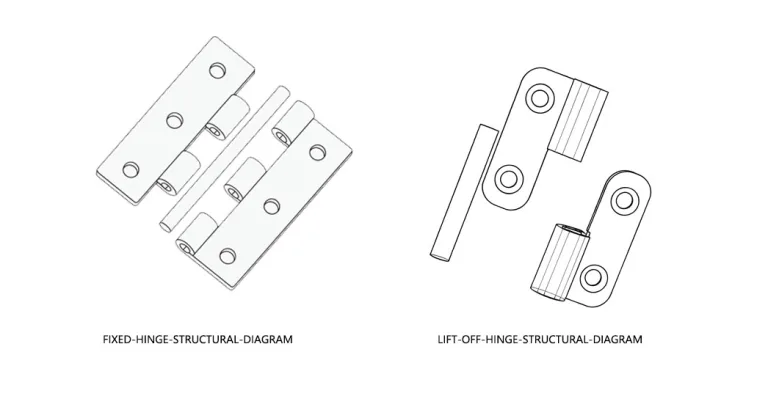
Lift-Off vs Fixed Enclosure Hinges | How to Choose the Right Design
Not every enclosure door needs the same hinge strategy. In industrial enclosure design, the real question is not which hinge looks stronger on paper, but whether the application benefits more from quick…
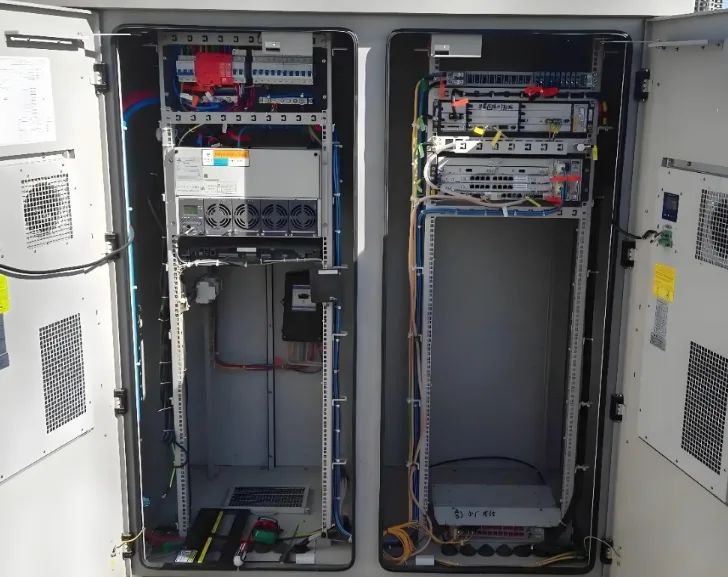
Network Cabinet Security: Why Top-Tier Data Centers Prioritize Concealed Hinges
The Physical Defense Paradox I’ve audited hundreds of data centers, and a dangerous paradox persists: enterprises spend millions on firewalls yet overlook the most basic physical defense. ISO/IEC 27001 is clear—physical security…
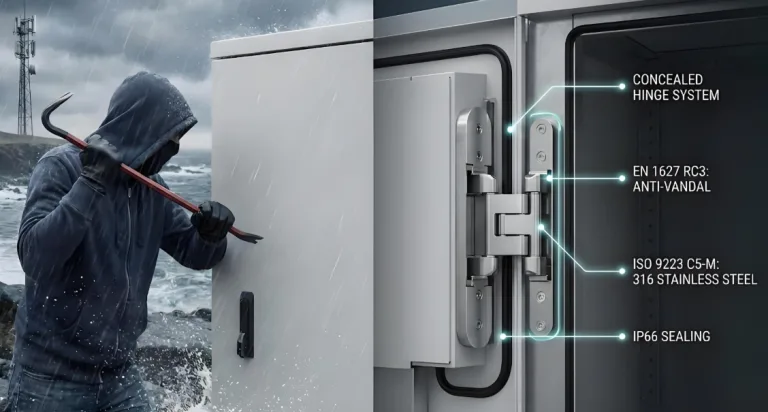
Why Outdoor Cabinets Require Concealed Hinges | Security, IP66, Corrosion
Outdoor cabinets require concealed hinges for three practical reasons: exposed hinges create the easiest physical attack point, internal hinge placement protects long-term sealing performance, and concealed designs hold up better against corrosion,…
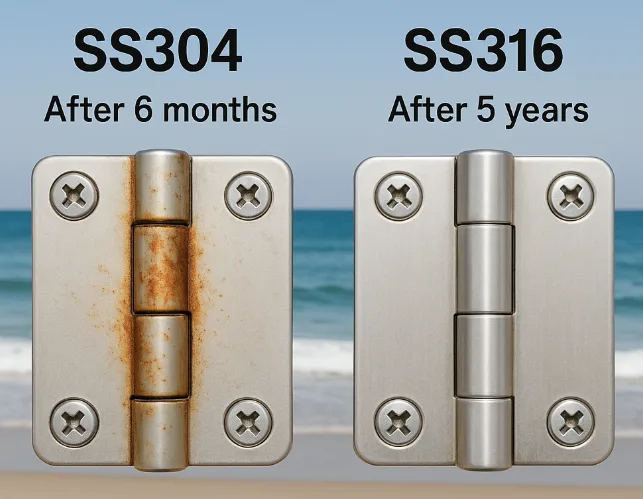
NEMA 4X Hinges for Coastal Projects | SS316, Salt Spray, Sealing
For coastal electrical enclosures, outdoor cabinets, port equipment, and seaside infrastructure, IP65 or IP66 alone is not a sufficient purchasing standard. These ratings address dust and water ingress, but they do not…

Torque Hinge Materials: SS304 vs SS316 vs Hardened Steel
How to Choose Torque Hinge Materials Torque hinge failure is often blamed on poor structural design, but many field failures begin much earlier at the material level. A hinge may look mechanically…
 English
  한국어
한국어  Русский
  Español
  Italiano
  Deutsch
  Français
  Português