

Blog
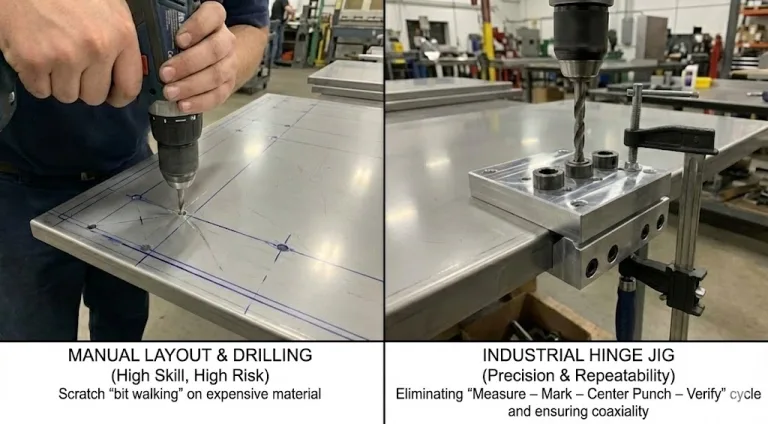
Industrial Hinge Installation: When Do You Need Hinge Jigs?
IP ratings are more than just cosmetic issues; they are production bottlenecks that kill profitability. For engineers and managers, the challenge isn’t just installing a hinge—it’s achieving repeatability at scale without relying…
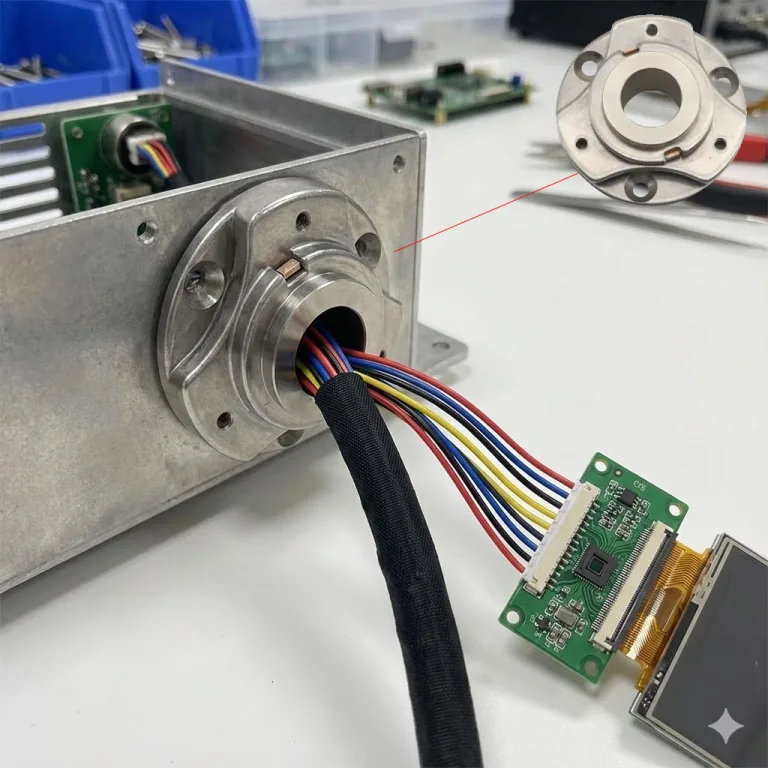
Commercial Printers & Copiers: Torque Hinge Solutions for High-Frequency Use
Commercial copiers, Multi-Function Printers (MFPs), and Automatic Document Feeders (ADFs) are high-intensity devices. The cover and document feeder lids may be opened and closed hundreds of times a day, placing immense stress…
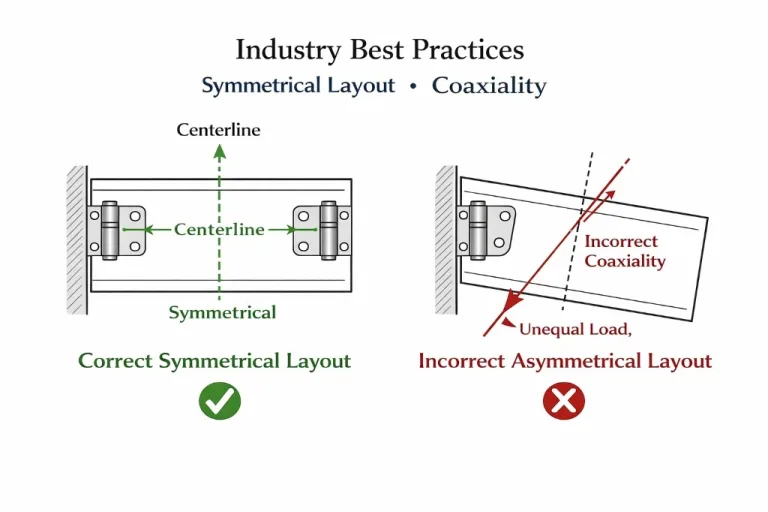
Cabinet Door Safety Hinges | Prevent Falling Doors with Free-Stop Control
Heavy control cabinet doors can fall, slam shut, or release suddenly during maintenance. In industrial automation lines, electrical cabinets, and power distribution facilities, this is a real mechanical hazard that can cause…

Bullet Hinge Strength Guide: How to Calculate Weight Capacity for Gates & Doors
The Industrial Standard for Weld-on Security: Engineering Selection & Load Dynamics Defining the Bullet Hinge A bullet hinge, also referred to as a weld-on hinge, is a two-part mechanical pivot consisting of…

Torque Hinge Design for 5mm Ultra-thin Devices: 30°–150° Screen Free-stop
Achieving 30° to 150° screen free-stop within a 5mm total device thickness is one of the most demanding structural requirements in ultra-thin consumer electronics and precision medical devices. The hinge must deliver…
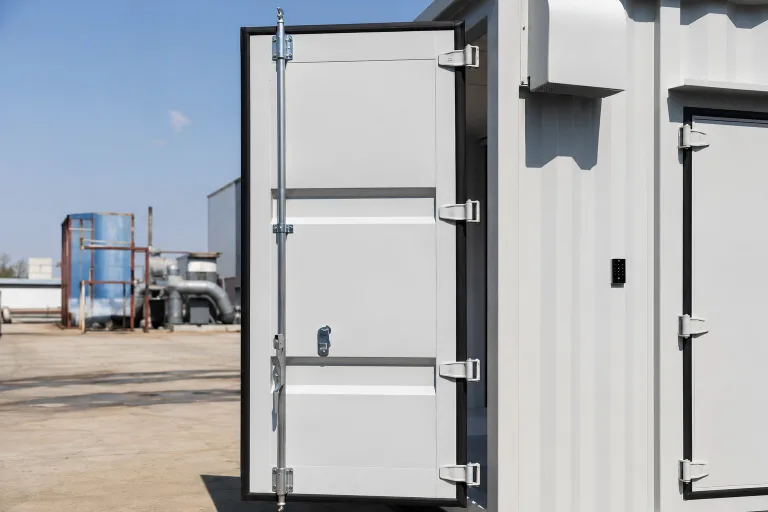
Hinge Spacing for Long Industrial Doors: Load Distribution and Frame Stiffness
On a long industrial door, “use three hinges” is not a load calculation. A tall, narrow door and a shorter, wider door can have the same mass and hinge count while placing…
How to Select Torque Hinges for Medical Devices
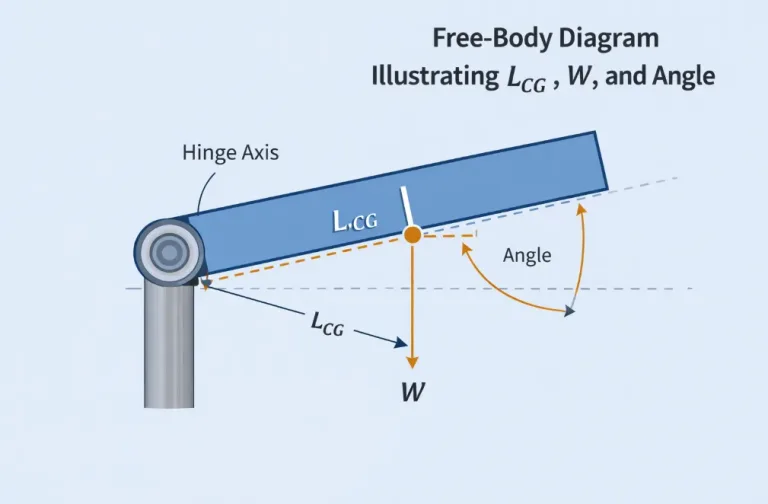
A medical display can stay at 45° on a bench and still move when a user taps the screen. A lid can meet the nominal torque calculation and still drift at another…
Torque Hinge Decay: Why Hinges Lose Strength & How to Test
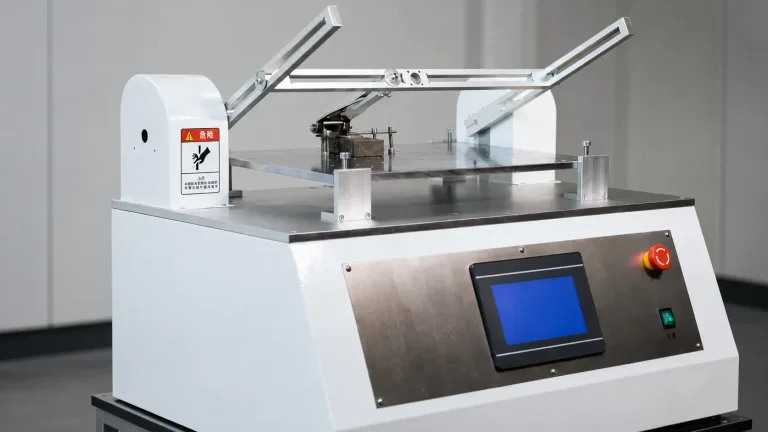
A lid that once held position now moves after release. That observation does not prove torque hinge decay. The external load may have changed, the hinge axis may have shifted, or temperature…
Stainless Steel vs Aluminum Hinges for Washdown Equipment
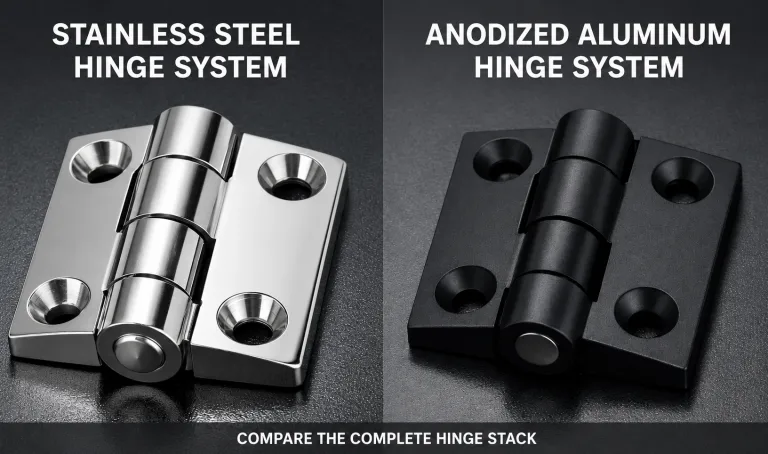
When engineers compare stainless steel vs aluminum hinges for washdown equipment, the decision is not a contest between a “corrosion-proof” metal and a “lightweight” one. A stainless leaf can resist general staining…
10–20kg Heavy-Duty Torque Hinge Guide | No-Math Lookup Table
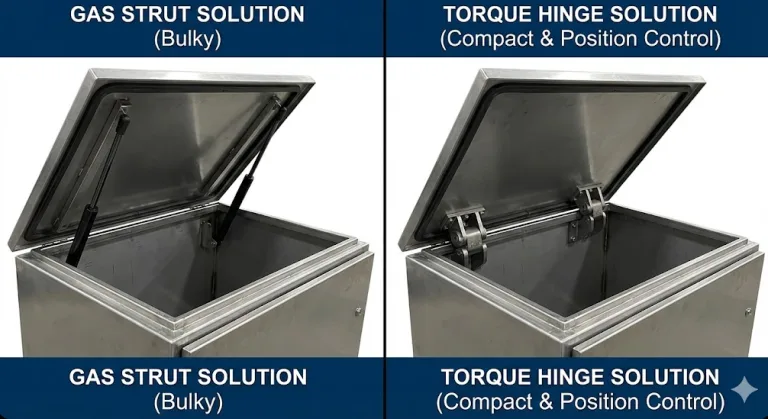
This page helps engineers quickly size heavy-duty torque hinges for 10–20kg industrial lids and access panels without doing full manual calculations. It is most useful for service doors, HMI covers, industrial control…
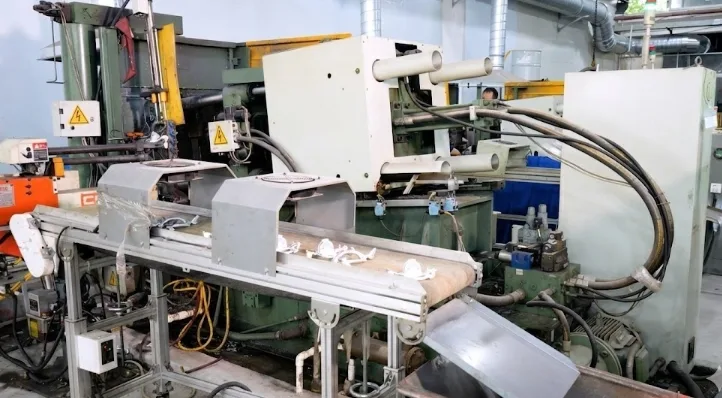
The Custom Torque Hinge Roadmap: 5 Key Milestones from Sketch to Mass Production
Defining a mechanical component solely by its torque rating is a primary cause of project failure in precision equipment development. A simple request for a “2.0 Nm hinge” ignores critical variables such…

The Science of Smoothness: A Guide to Friction Hinge Haptics & Mechanics
Designers want sleek aesthetics. Engineers demand constant torque. To bridge this gap, the friction hinge is the critical solution. It delivers reliable, infinite positioning control without compromising the product’s clean visual lines…
 English
  한국어
한국어  Русский
  Español
  Italiano
  Deutsch
  Français
  Português