

Blog
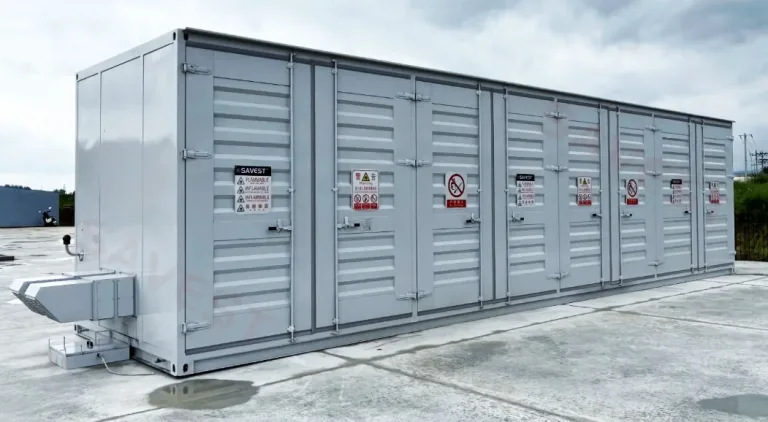
Battery Cabinet Hinges: Load, Corrosion & Access Guide
Battery cabinet hinges are not ordinary cabinet hardware. In energy storage systems, telecom power cabinets, solar battery enclosures, EV infrastructure, and backup power cabinets, the hinge must support a heavy door, resist…
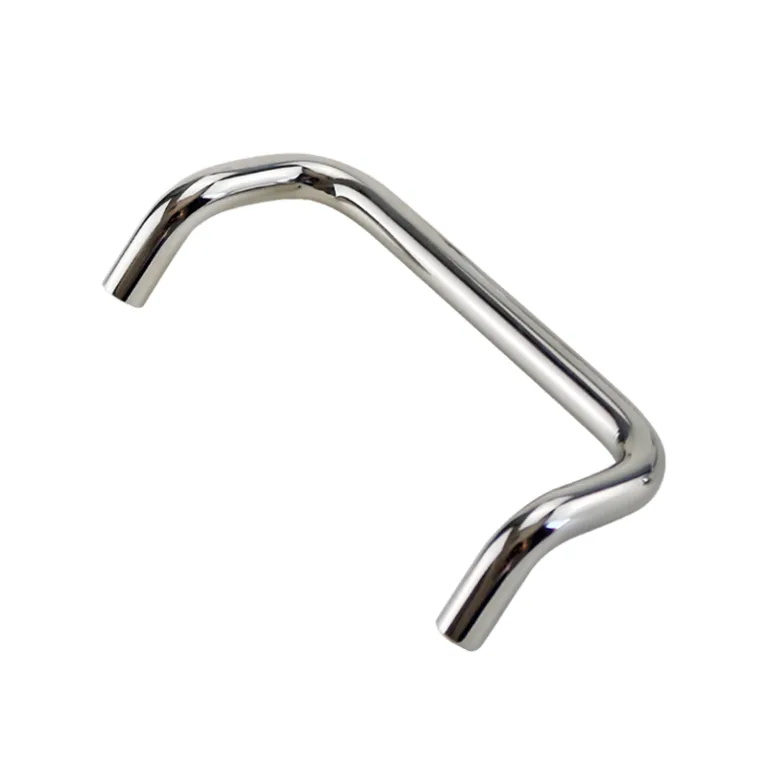
Why Choose 316 Stainless Steel Tubular Handles
I’ve picked out and put in tons of hardware parts on boats and in factories. I can tell you this for sure: 316 stainless steel tubular handles are top-notch. They really stand…
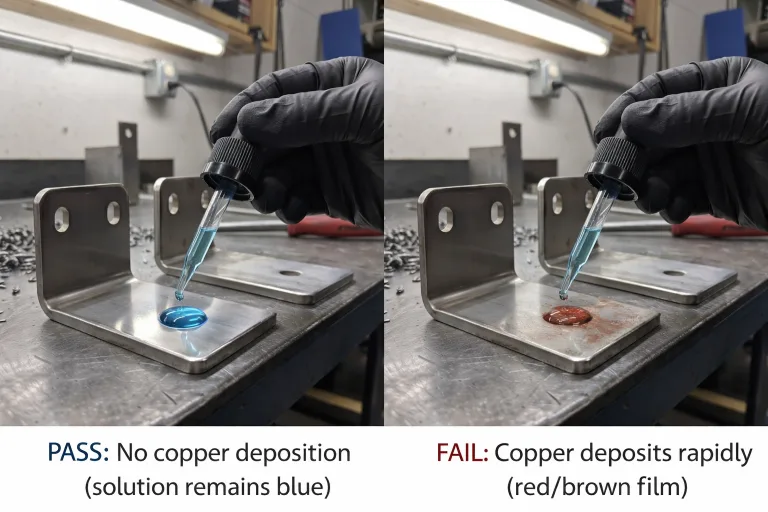
Why Stainless Steel Hinges Corrode | 5 Causes, Verification, Prevention
Why Stainless Steel Hinges Still Corrode Stainless steel hinges are corrosion-resistant, but they are not corrosion-proof. Their durability depends on a micro-thin passive film on the surface. When that film is damaged…
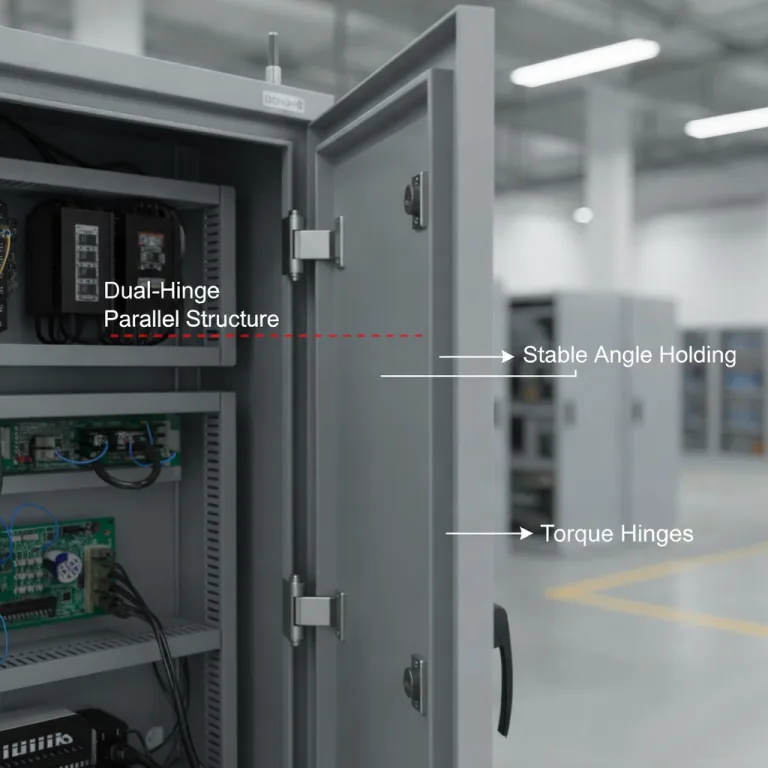
Matched Pair Torque Hinges: Why They Matter in Dual-Hinge Systems
Why Do Torque Hinges Require Matched Pairs? In dual-hinge systems, two hinges with the same model number are not automatically equivalent in real torque behavior. Small left-right differences in torque, breakaway friction,…
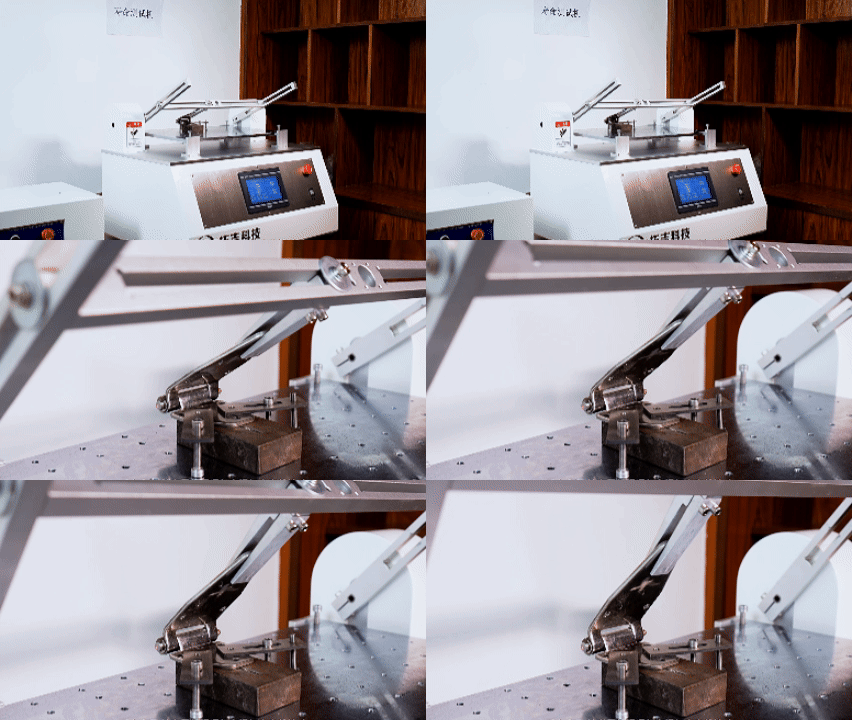
Industrial Hinge Cycle Testing: Load, Angle, Speed and Failure Criteria
Two reports can claim the same cycle count and still describe very different tests. One hinge may have been rotated without a representative door load. The other may have carried the production…
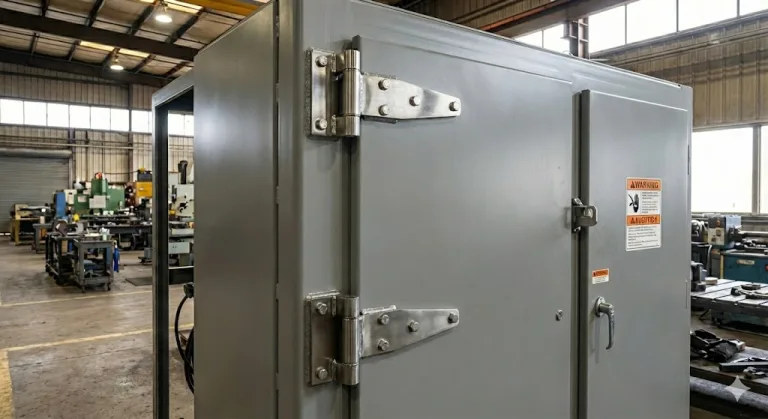
How to Choose Industrial Enclosure Hinges by Door Type and Access
Two enclosure doors can have the same height and weight and still need different hinge architectures. A floor-standing cabinet may carry a display, handle, and grounding strap on a wide door. A…
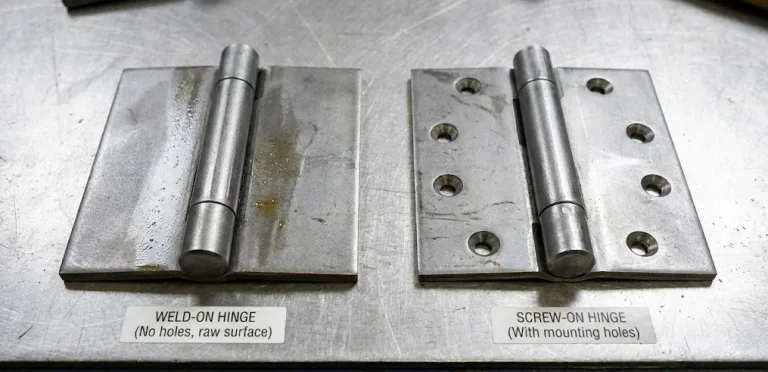
Carbon Steel vs. Stainless Steel Hinges: A Guide to Material Selection & TCO
Engineering Overview Hinges may be small, but they have an outsized impact on enclosure uptime and user experience—smooth operation, long-term durability, and maintenance frequency, especially in outdoor, humid, or salt-spray environments. This…
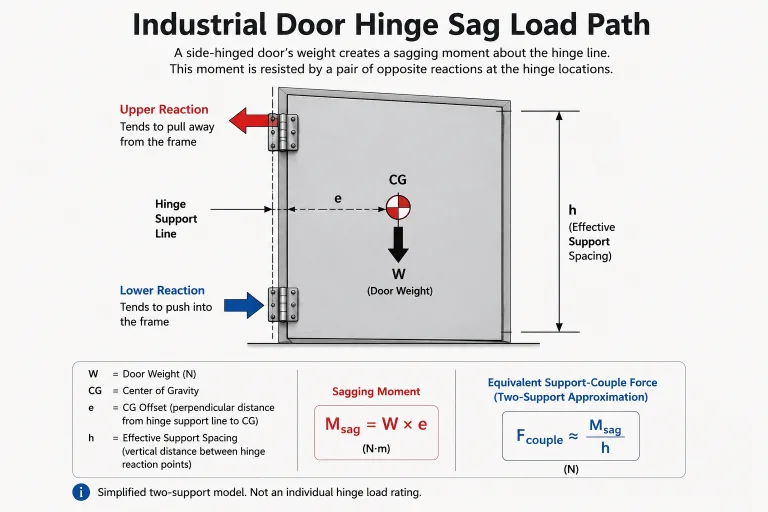
Industrial Door Hinge Sag: Causes, Diagnosis & Fixes
An industrial door that has to be lifted before the latch will engage is showing more than an alignment inconvenience. The geometry of the door system has changed. With industrial door hinge…
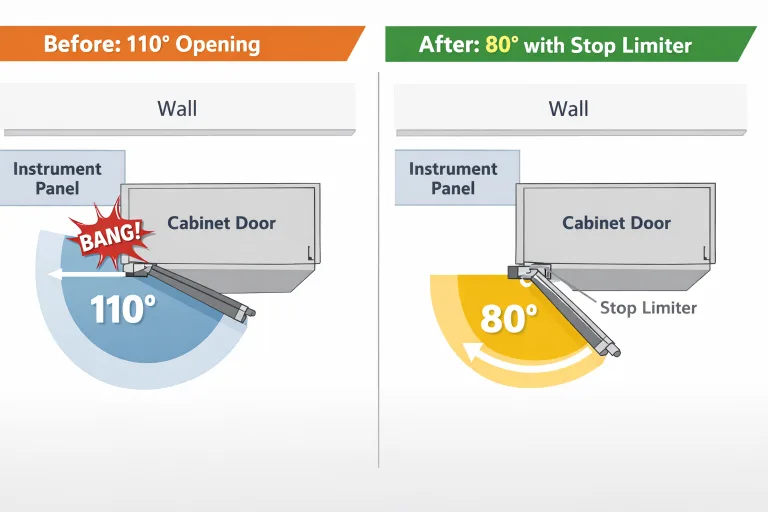
Industrial Stop Hinges (Integrated Stops): A Safety & Selection Guide for Equipment
Introduction: The Background of Limit Requirements in Industrial Scenarios In industrial equipment and vehicle applications, moving doors, lids, or hatches present serious safety hazards when they lack stop functionality—this is exactly what…
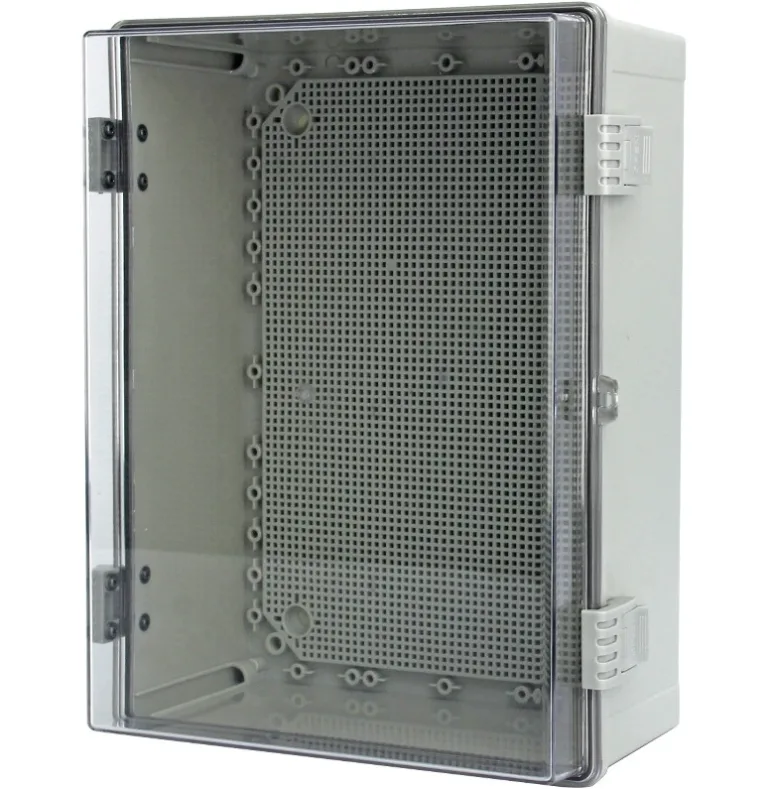
Hinge Alignment: The Hidden Cost of Industrial Cabinet Failure & How to Prevent It
In the design and manufacturing of industrial cabinets, heavy-duty machinery doors, and specialty vehicles, a frequently overlooked detail often leads to expensive consequences: Hinge Alignment. Field engineers frequently encounter the following typical…
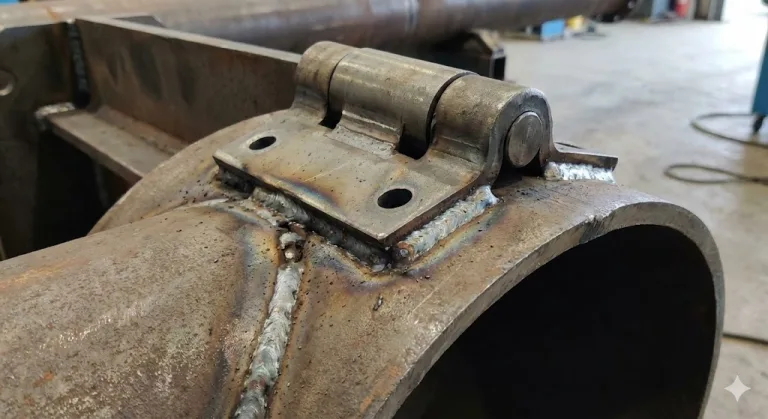
Weld-On Hinge Specs for OEMs | Load, Weldability, Bearings
In OEM projects, weld-on hinges are usually specified when vibration resistance, structural continuity, tamper resistance, and long-term reliability matter more than field removability. The real engineering question is not whether weld-on hinges…
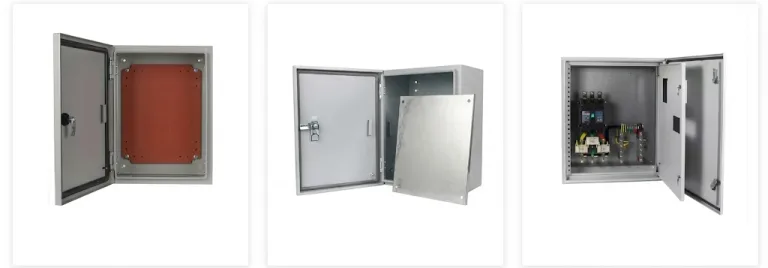
Industrial Removable Pin Hinges: Procurement Guide & Benefits (ANSI/ASTM)
In the world of industrial hardware, Removable Pin Hinges (also known as loose pin, slip joint, or take-apart hinges) are a staple configuration for heavy-duty equipment doors, control cabinets, and inspection panels.…
 English
  한국어
한국어  Русский
  Español
  Italiano
  Deutsch
  Français
  Português