

Blog
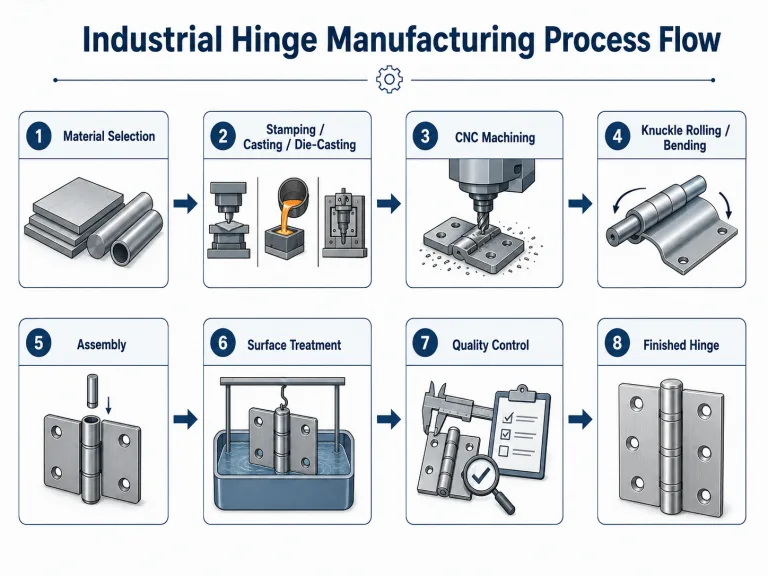
How Industrial Hinges Are Made: The Manufacturing Process
When a buyer evaluates an industrial hinge, the finished part gives away very little. Two hinges can look identical in a photo and behave completely differently in service, because the difference was…
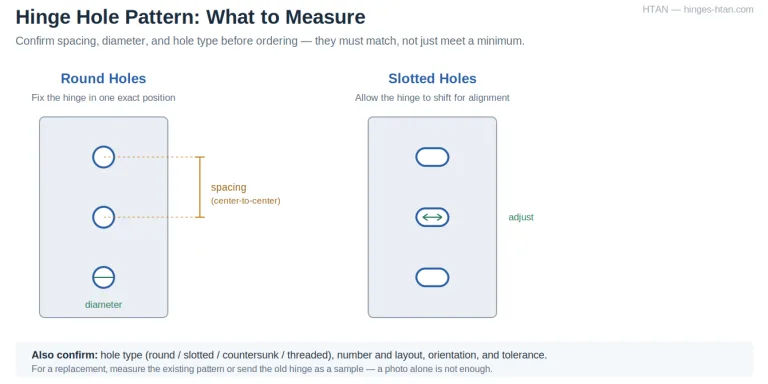
Hinge Mounting Hole Patterns: Confirm Before Ordering
An OEM buyer orders a batch of hinges that match the catalog photo perfectly — right size, right load, right finish. The parts arrive, the line starts, and none of them line…
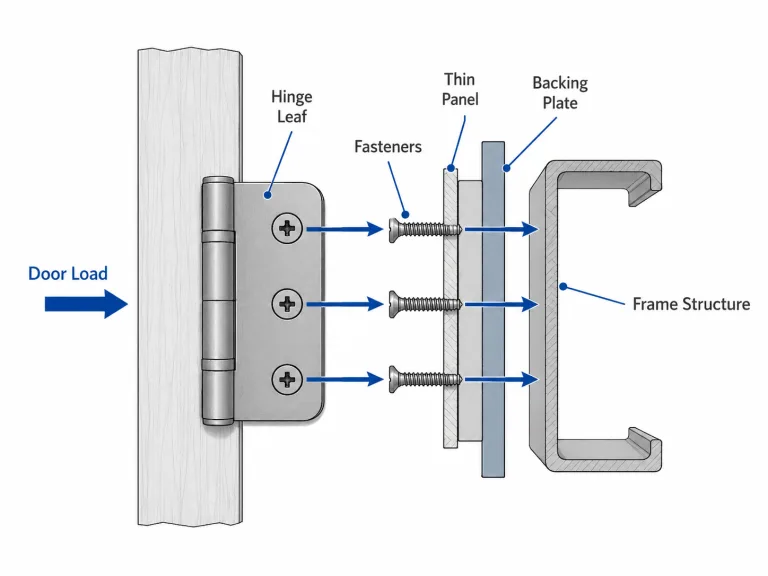
Hinge Mounting Plates: When Door Frames Need Reinforcement
You can choose the perfect hinge — right load rating, right material, right size — and still watch the door fail within months. When that happens, the hinge is usually not the…
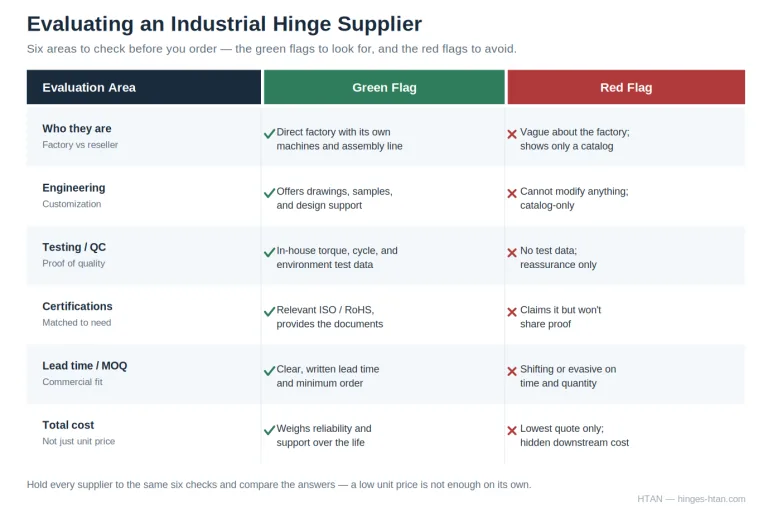
How to Evaluate an Industrial Hinge Supplier
Most hinge problems that show up months after a product ships were actually decided at the sourcing stage, not the design stage. The wrong supplier can send a first sample that looks…
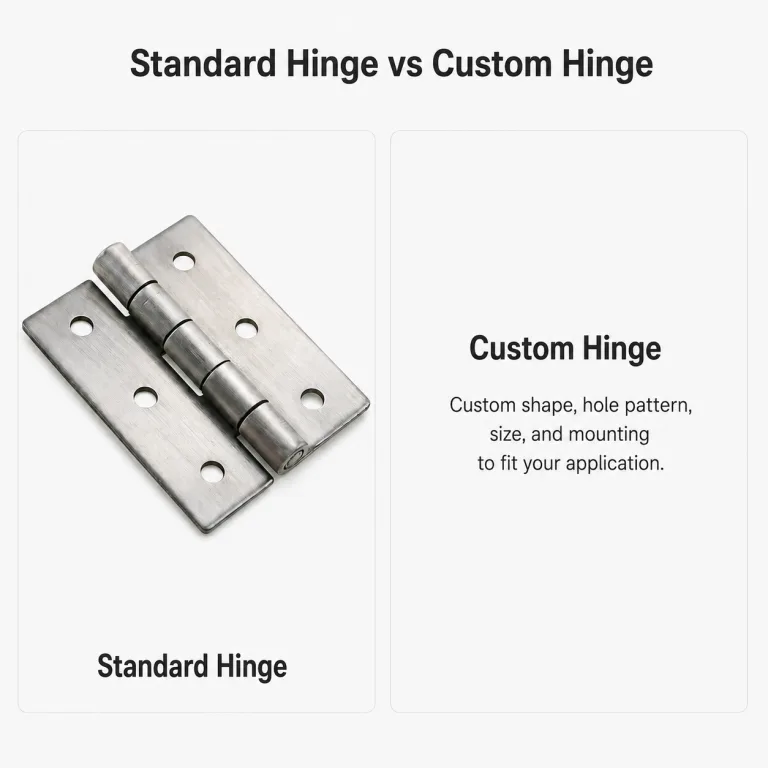
Custom vs Standard Hinges: How to Choose for Your Project
Here is a situation that plays out on a lot of custom door and enclosure projects. The design is finished, the door is heavier, thicker, or shaped differently from a standard cabinet…
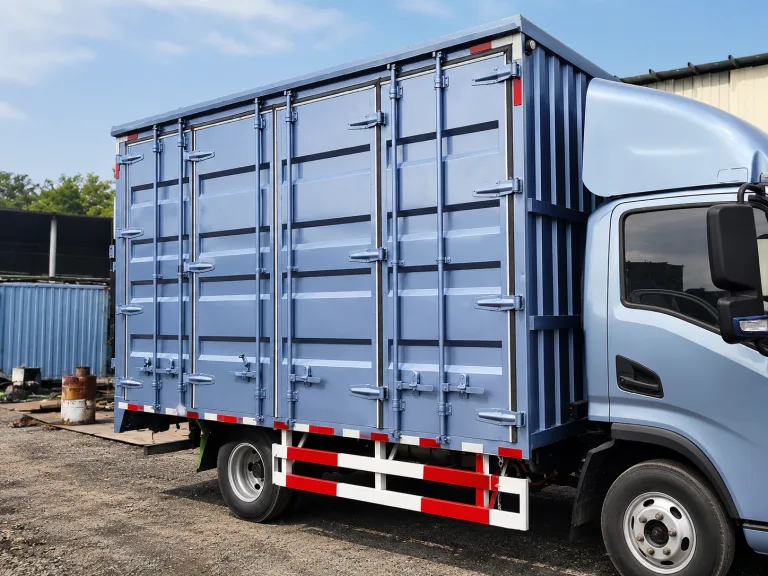
Truck and Trailer Door Hinges: How to Choose for Transport
The door hinges on a truck or trailer have one of the hardest jobs in the whole vehicle. They hold a heavy door on a structure that vibrates, twists, and gets slammed…
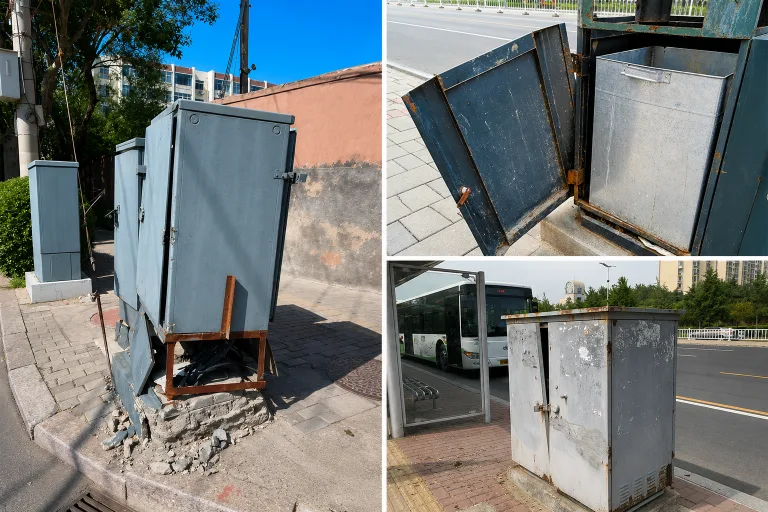
Why Outdoor Hinges Fail First at Knuckles and Fasteners
When an outdoor hinge fails, the damage is almost never spread evenly across the part. Pull a corroded hinge off a weathered cabinet and you will usually see the same picture: the…
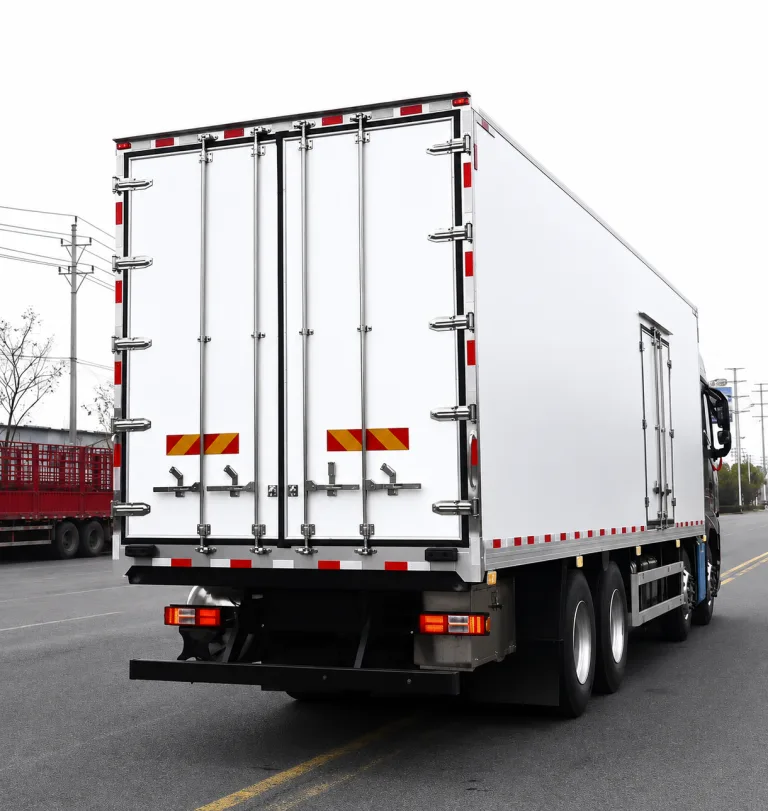
Refrigerated Truck Door Hinges: Vibration, Load, Seal Guide
A hinge on a fixed cold room door spends its whole life standing still. A hinge on a refrigerated truck door does not. It travels thousands of miles, absorbs road shock, vibrates…
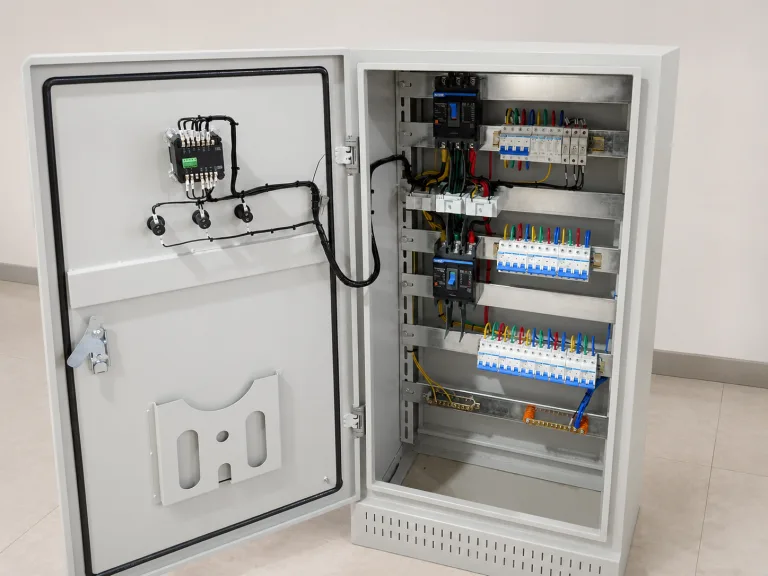
Best Hinges for Electrical Panels: Selection Guide
Choosing a hinge for an electrical panel is not the same as choosing one for a general cabinet. The door on a distribution board, control panel, or outdoor power enclosure has to…
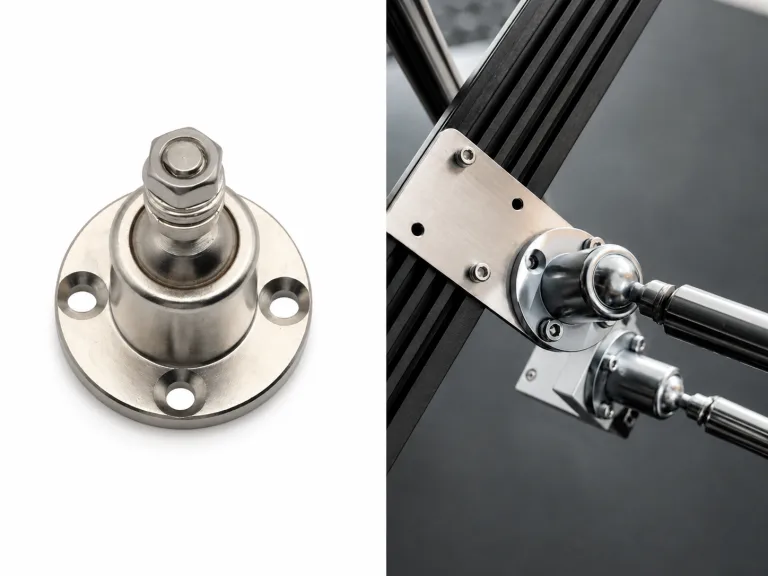
Ball-Joint Torque Hinges: Multi-Direction Positioning
Most positioning hinges answer a one-dimensional question: at what angle around a single axis should the panel stop and stay? But some equipment needs more than that. A camera that has to…
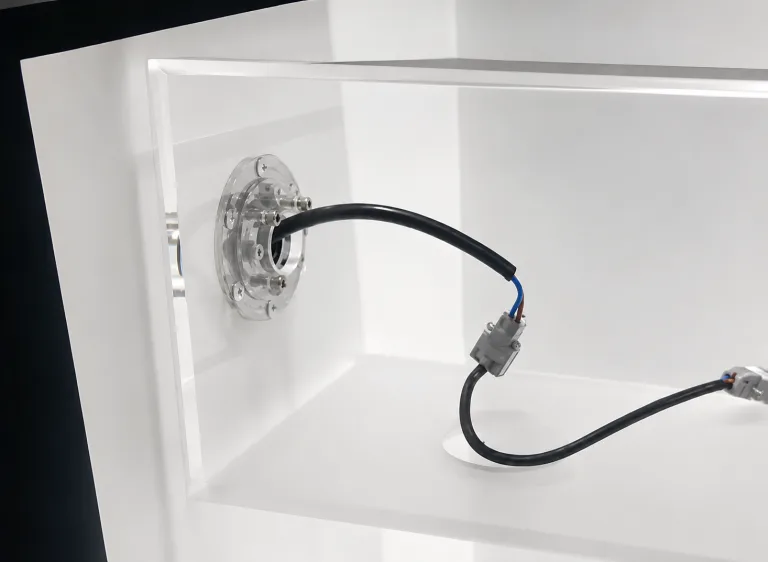
Cable-Hole Torque Hinges: When Wire-Through Makes Sense
In many OEM assemblies, the hardest part of a hinged joint is not holding the panel in position — it is getting the wires across the joint without them snagging, chafing, or…
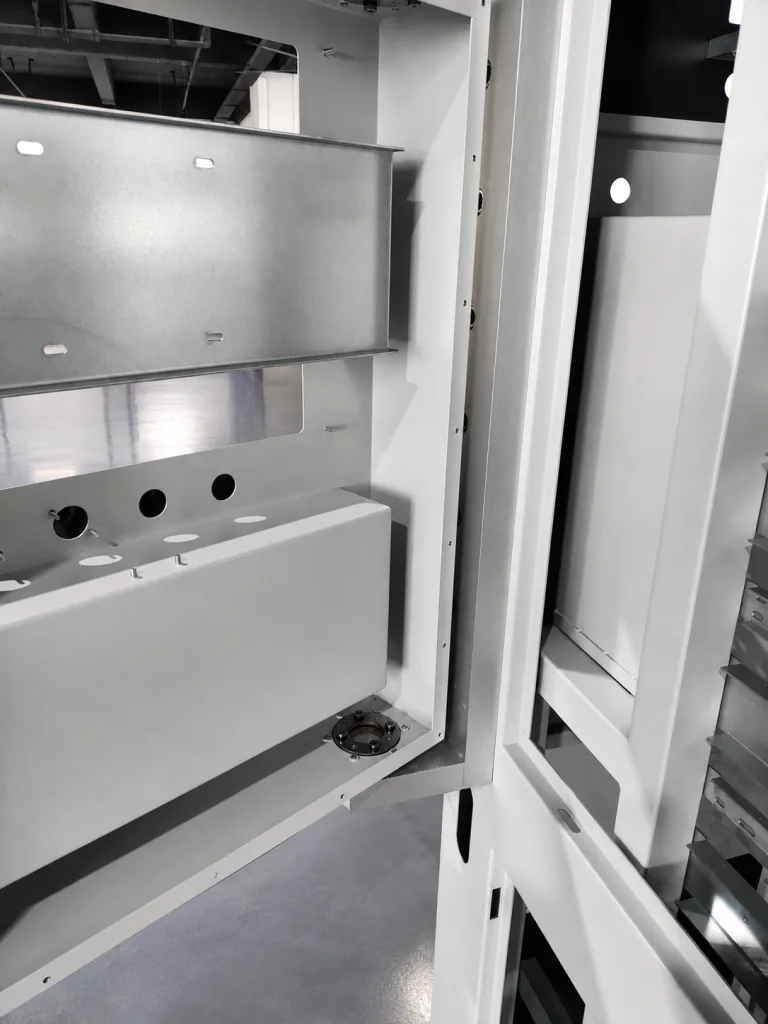
Torque Hinge Sample Testing Checklist for OEM Buyers
Ordering torque hinge samples is not just a purchasing step. For OEM buyers, engineers, and project teams, sample testing is the bridge between a promising hinge specification and a production-ready door, lid,…
 English
  한국어
한국어  Русский
  Español
  Italiano
  Deutsch
  Français
  Português