

Blog
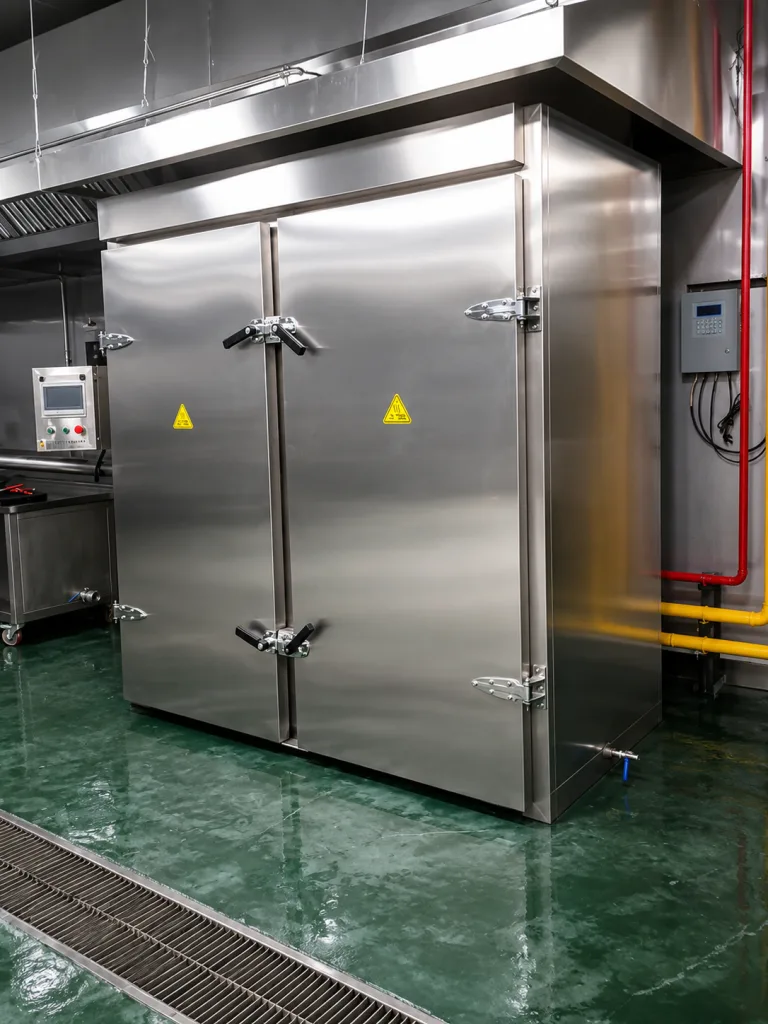
Commercial Kitchen Hinges: Foodservice Selection Guide
In a commercial kitchen, a hinge is one of the hardest-working parts on any piece of equipment. A walk-in cooler door, a pass-through cabinet, or a dishwasher access panel can be opened…
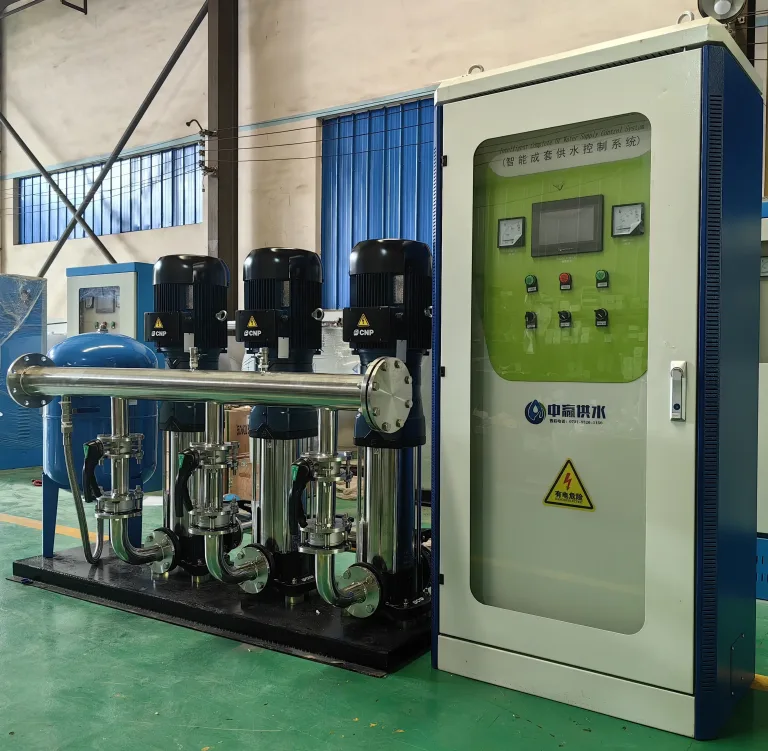
Water Treatment Plant Cabinet Hinges: Corrosion & RFQ Guide
For water treatment plants, cabinet hinges are not a small hardware detail. They affect enclosure access, maintenance speed, corrosion resistance, door alignment, gasket sealing, and long-term service cost. A hinge that works…
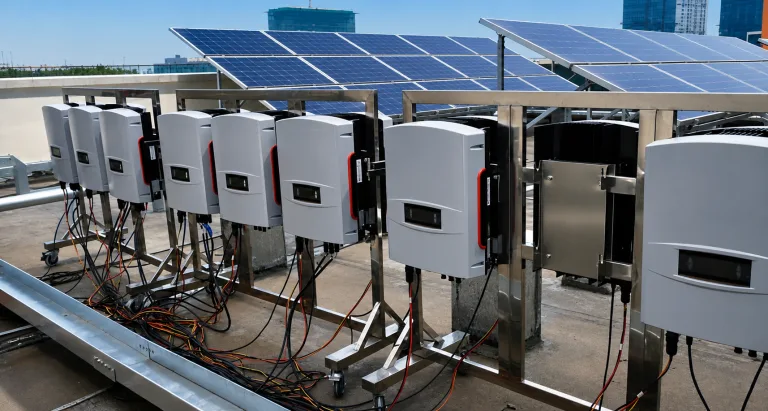
Solar Inverter Enclosure Hinges: Heat & Outdoor Guide
A solar inverter enclosure has a problem most outdoor cabinets do not: the equipment inside generates heat on a daily cycle that follows the sun. The inverter warms up as production ramps…
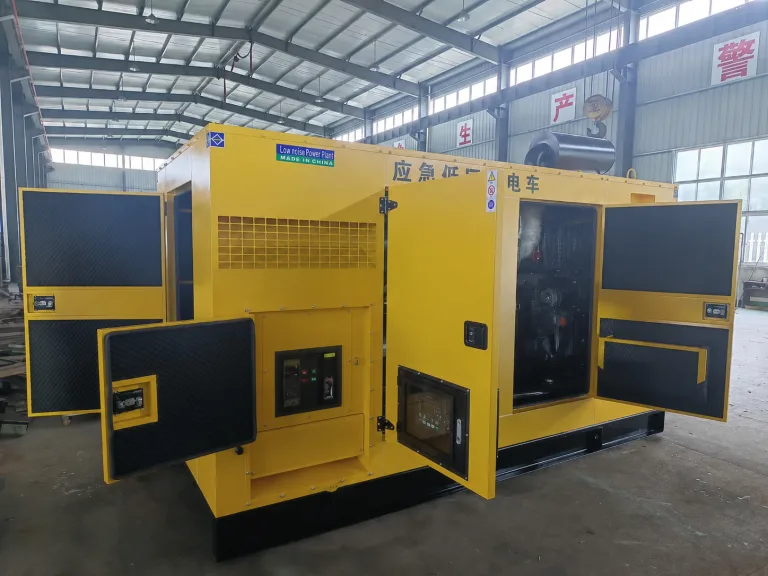
Generator Enclosure Hinges: Vibration & Transport Guide
A generator enclosure door has a harder job than most equipment doors. It sits on a machine that vibrates every time the engine runs, it is often shipped fully assembled to a…
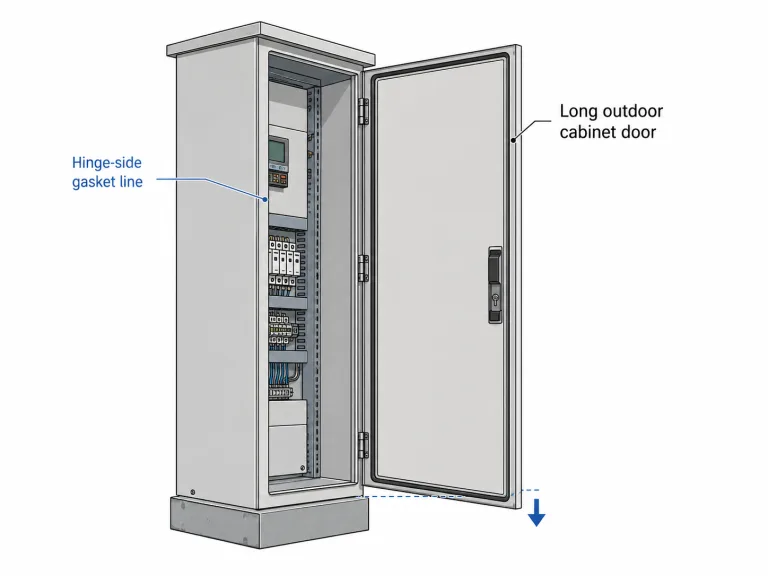
Long Outdoor Cabinet Door Sag: When Continuous Hinges Help
A long outdoor cabinet door may look acceptable after installation, but the problem often appears later. The latch corner begins to drop. The door needs to be lifted before closing. The gasket…
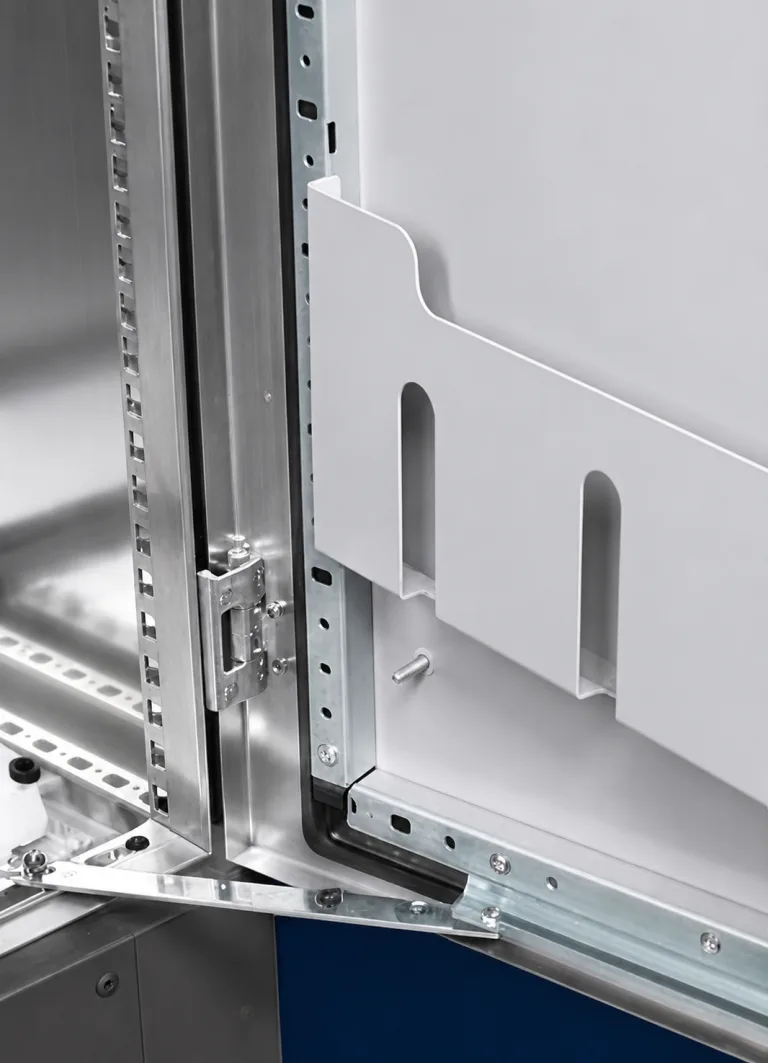
Outdoor Cabinet Hinge Mounting Corrosion: Leak Diagnosis
Outdoor cabinets are usually designed around the obvious protection points: the gasket, latch, door frame, coating system, and enclosure rating. But many field corrosion problems begin in a less visible place —…

Telecom Shelter Cabinet Hinges: Material & Sealing Guide
A telecom shelter cabinet can look like a simple outdoor enclosure during a site walk, but the door hardware is doing more work than many buyers expect. The cabinet may sit outdoors…
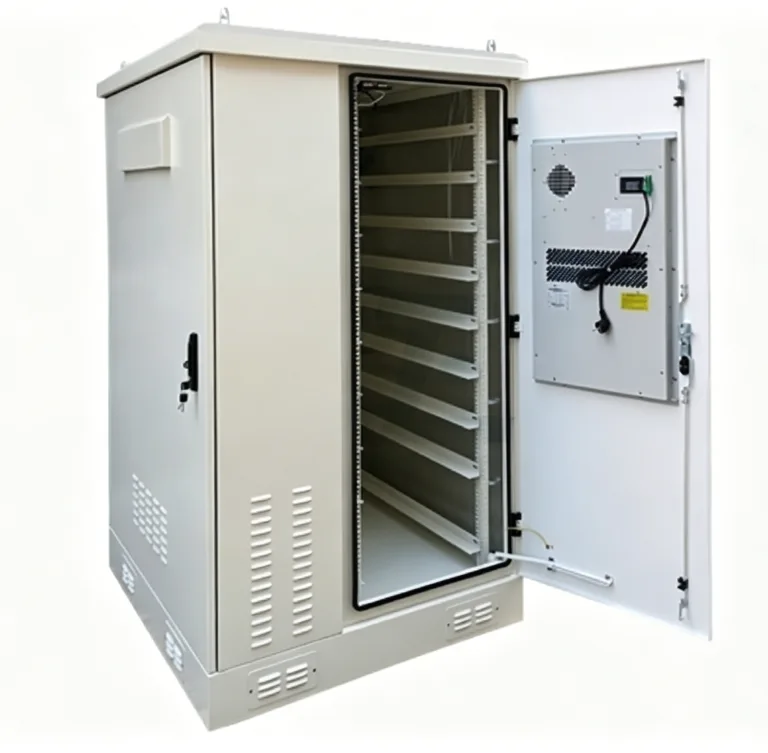
Hinges for Battery Energy Storage Enclosures: BESS Door Guide
Battery energy storage system enclosures are not standard outdoor cabinets with a battery inside. They are integrated fire-safety, thermal-management, and high-voltage equipment shells that often ship across oceans, sit on project sites…
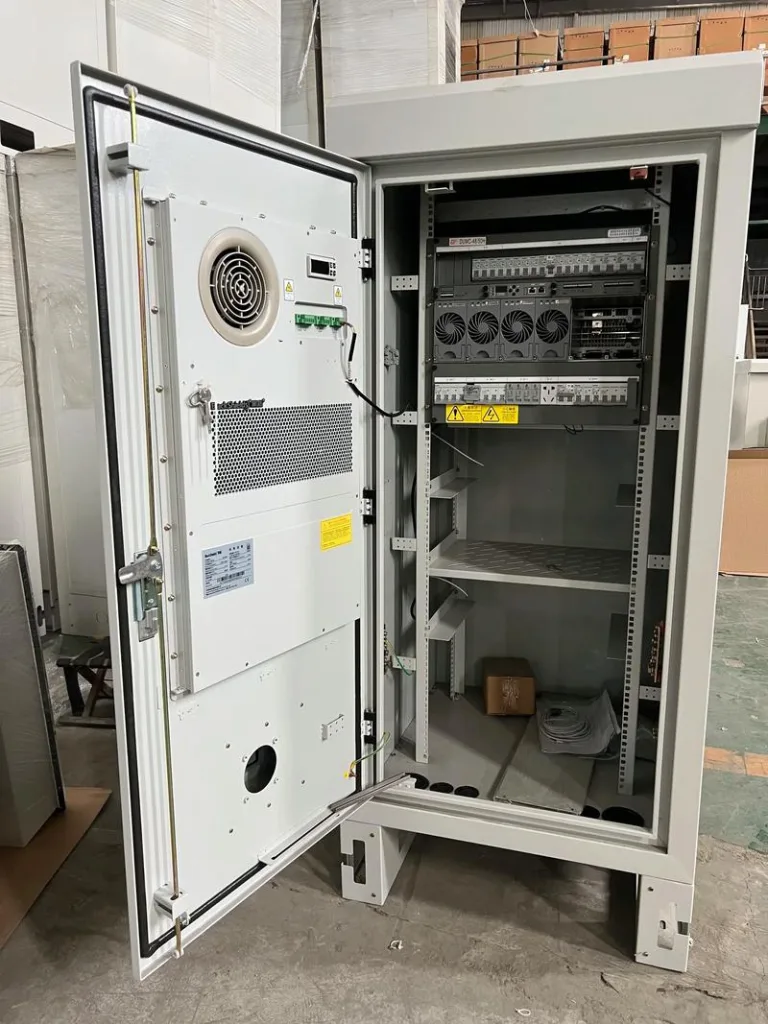
Hinge Gasket Material Selection: EPDM vs Silicone vs Neoprene
Hinge-side sealing problems often start before the enclosure door looks damaged. A cabinet may close correctly during assembly, but the wrong gasket material can lose compression, swell after chemical exposure, crack outdoors,…
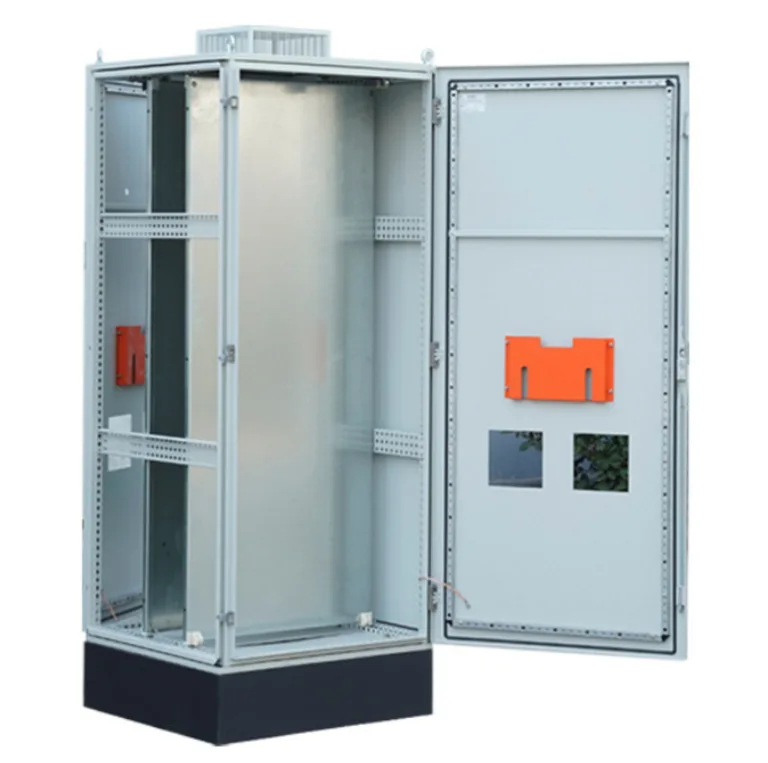
Hinges for EV Charging Enclosures: Weather & Access Guide
EV charging station enclosures are opened for inspection, wiring, control-module service, cable management, and field maintenance. When the hinge is underspecified, the problem is not only a door that feels loose. A…
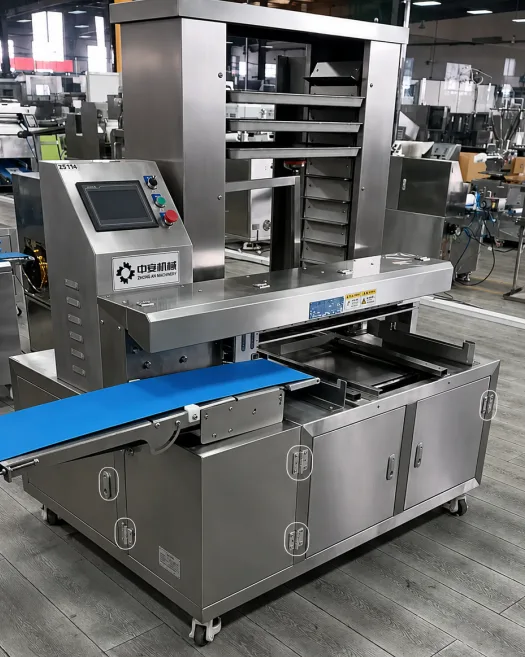
Tool-Free Lift-Off Hinges: 3-A vs EHEDG Sanitation Guide
In food, dairy, beverage, and sanitary equipment, a hinge can become a cleaning problem when operators cannot easily access the area behind the door or panel. A fixed hinge may look acceptable…
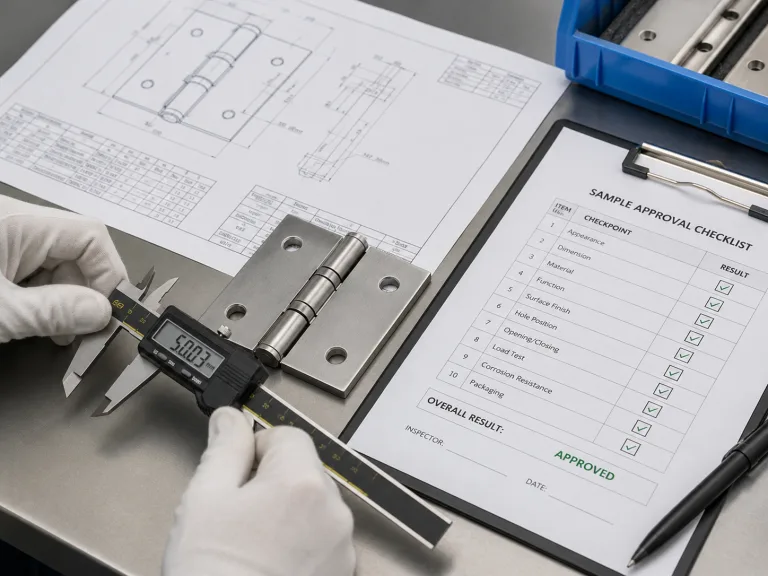
Hinge Sample Approval Checklist for OEM Buyers
Drawing Match, Assembly Fit, Functional Retention & Production Repeatability A hinge sample can match a catalog photo and still be wrong for production. Hole spacing may be slightly off, the leaves may…
 English
  한국어
한국어  Русский
  Español
  Italiano
  Deutsch
  Français
  Português