

Blog

The Science of Smoothness: A Guide to Friction Hinge Haptics & Mechanics
Designers want sleek aesthetics. Engineers demand constant torque. To bridge this gap, the friction hinge is the critical solution. It delivers reliable, infinite positioning control without compromising the product’s clean visual lines…
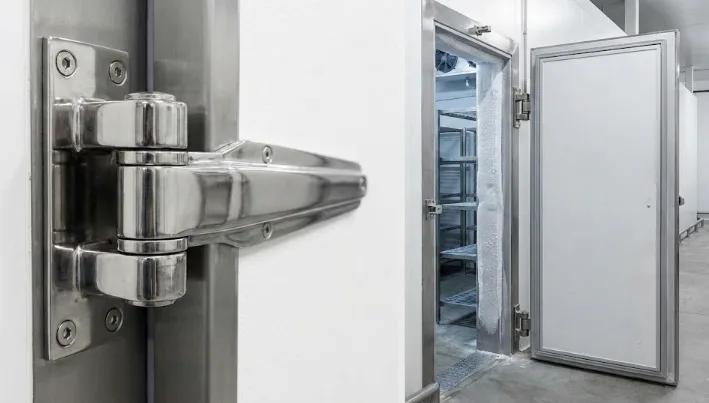
The Engineer’s Guide to Cold Storage Hinges: Sizing, Selection, and Failure Prevention
In facility management, a hinge is rarely just a hinge. It is the primary mechanical component ensuring the thermal integrity of your cold chain. When a procurement officer selects a hinge based…

Zinc Die-Cast vs. Stainless Steel Concealed Hinges: A Sourcing Guide to Cost & Performance
In the realm of industrial hardware design, Concealed Hinges are not merely passive connectors; rather, they are critical components that define overall equipment reliability. Consequently, selecting the correct material is a strategic…
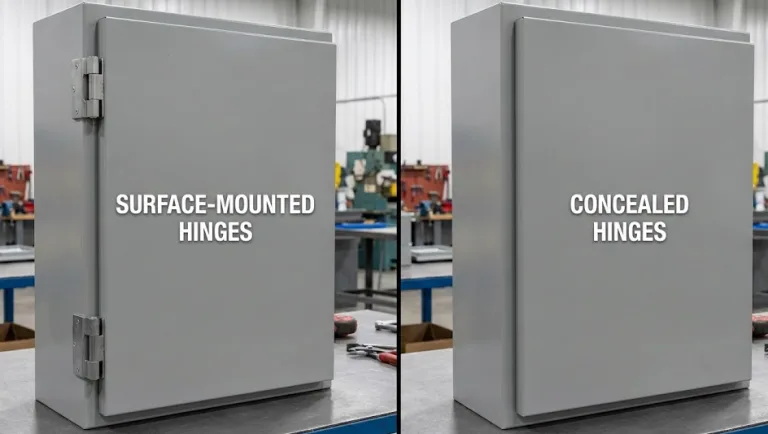
Surface-mounted vs concealed hinges: A TCO Guide for Enclosures
In industrial enclosure projects, I have witnessed too many cases where cheap surface-mounted hinges were selected to “save budget,” only for the results to be disastrous. These disasters range from equipment water…
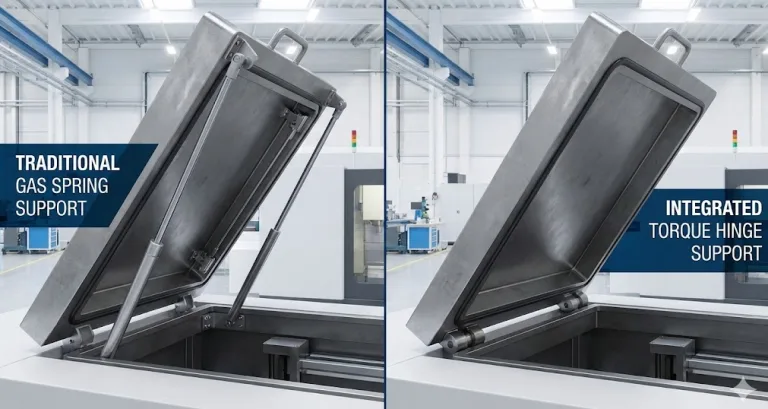
Why Engineers Abandon Gas Springs for Heavy-Duty Torque Hinges: TCO & Reliability
In precision equipment maintenance logs, gas spring seal failure frequently stands out as the leading cause of unplanned downtime. For too long, engineers have had to tolerate the wasted internal space and…

Custom Torque Hinges: 6 Critical Specs to Prevent Product Failure
In my consulting career, I have seen too many excellent product designs fail due to one inconspicuous component: the hinge. The disaster scenario is common: The procurement department, rushing to meet a…

2 Nm Torque Hinge Procurement Guide
In the supply chain management of mechanical structural components, 2 Nm (Newton-meters) is often regarded as the key turning point in measuring project complexity. Applications below 2 Nm typically belong to handheld…
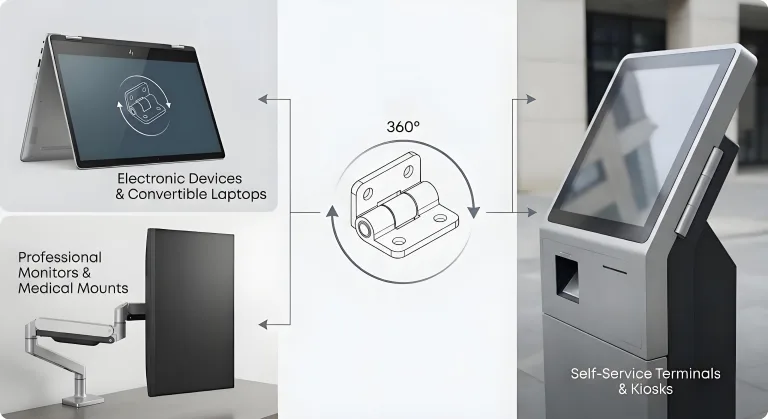
360-Degree Friction Hinges: An Engineering Guide for Electronics and Kiosks
In modern hardware design projects, a clear trend has emerged: user demands for device flexibility have surpassed the limits of single-function capability. Whether for a doctor in a medical environment or an…
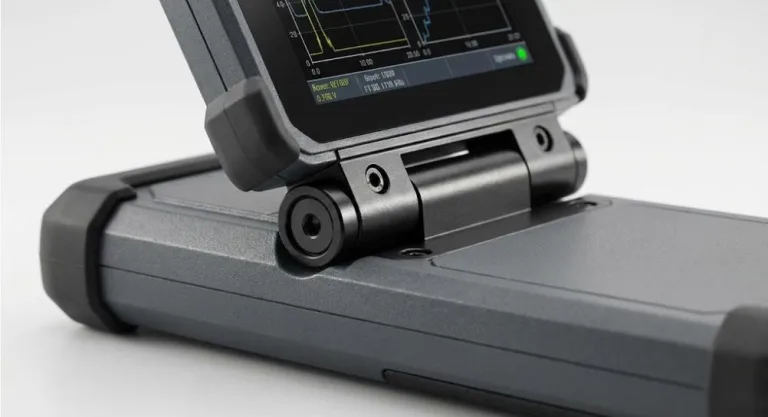
0.5 Nm Torque Hinges: Engineering Principles, Failure Modes, and Application Guidelines
Figure 1: Close-up application of a 0.5 Nm torque hinge on a rugged industrial handheld device, showing the pivot mechanism for screen positioning. Why Focus on the 0.5 Nm Specification? In the…
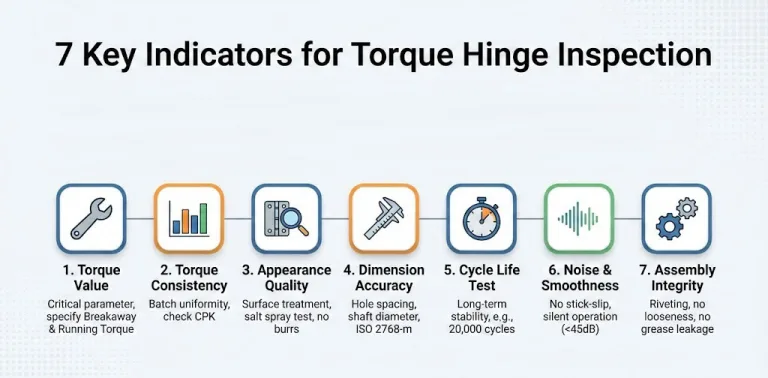
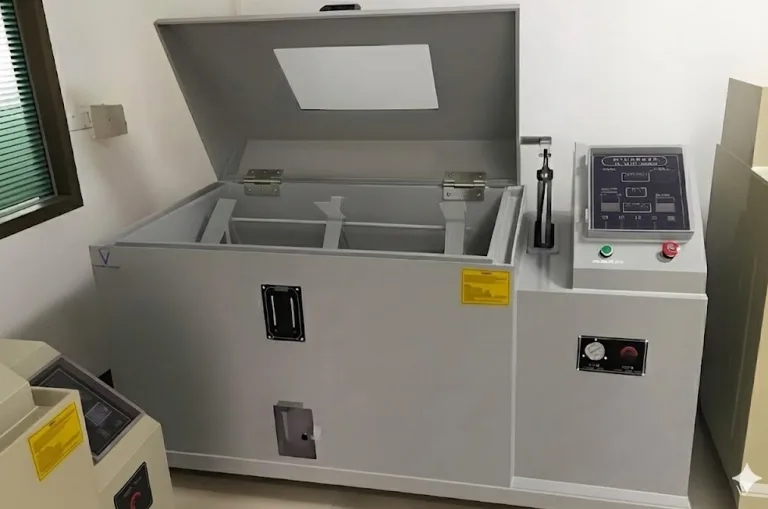
7 Key Indicators for Torque Hinge Inspection (Procurement Guide)
In the procurement of industrial hardware, a Torque Hinge is not just a connector. It is the core component that controls the movement “feel” and positioning stability of a device. Based on…
Accurate Hinge Torque Calculation for 30kg Panels: Industrial Selection Guide
In industrial equipment design, many engineers still rely on “experience” to choose hinges and estimate hinge torque. This may be fine for light panels, but for 30kg heavy-duty panels—like CNC machine doors…
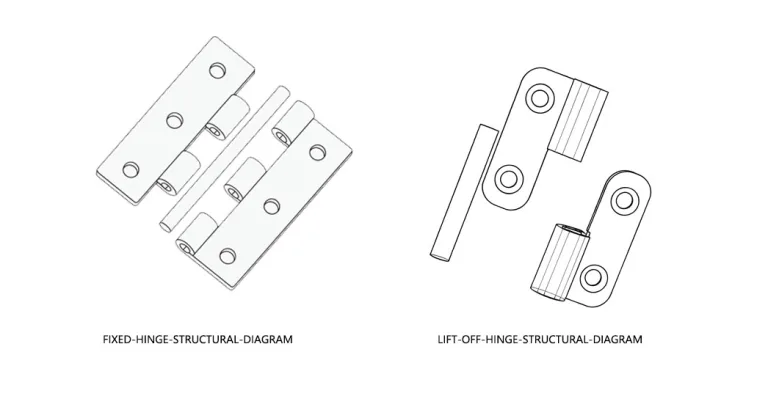
A Technical Comparison of Industrial Enclosure Hinges: Lift-Off vs. Fixed Designs
In the process of industrial cabinet design and procurement, the selection of industrial enclosure hinges plays a critical role in end-user experience and long-term reliability.From the perspective of a senior industry consultant,…
 English
  한국어
한국어  Русский
  Español
  Italiano
  Deutsch
  Français
  Português