

Blog
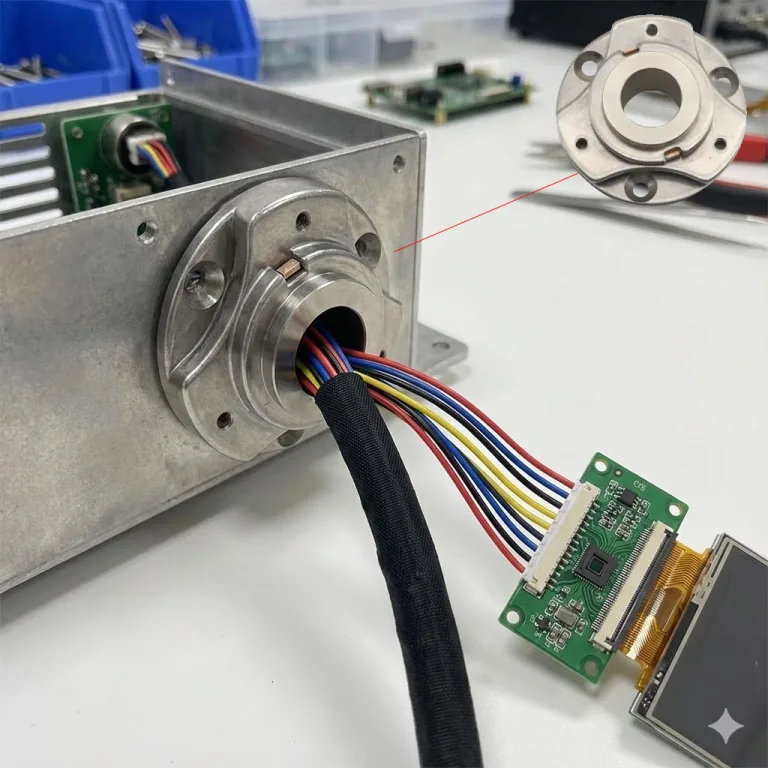
Commercial Printers & Copiers: Torque Hinge Solutions for High-Frequency Use
Commercial copiers, Multi-Function Printers (MFPs), and Automatic Document Feeders (ADFs) are high-intensity devices. The cover and document feeder lids may be opened and closed hundreds of times a day, placing immense stress…
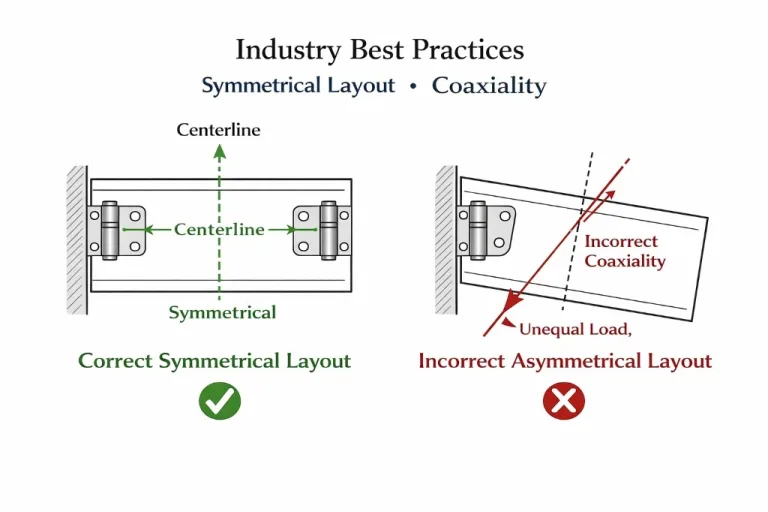
Industrial Control Cabinet Safety: Technical Guide for Positioning Hinges to Prevent Door Fall Injuries
Deploying Positioning Hinges (also known as Constant Torque Hinges) in industrial automation production lines and power distribution facilities is crucial to mitigate the significant physical risk posed by the accidental movement of…
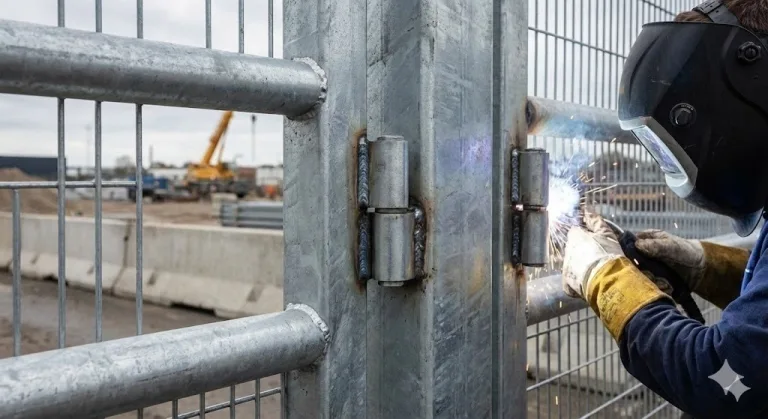
Bullet Hinge Strength Guide: How to Calculate Weight Capacity for Gates & Doors
The Industrial Standard for Weld-on Security: Engineering Selection & Load Dynamics Defining the Bullet Hinge A bullet hinge, also referred to as a weld-on hinge, is a two-part mechanical pivot consisting of…

Torque Hinge Design for 5mm Ultra-thin Devices: 30°–150° Screen Free-stop
Achieving 30° to 150° screen free-stop within a 5mm total device thickness is one of the most demanding structural requirements in ultra-thin consumer electronics and precision medical devices. The hinge must deliver…

Load Distribution in Industrial Cabinets: Continuous vs. Butt Hinges
In the engineering of industrial enclosures—such as electrical control cabinets and server racks—the technical selection of Continuous Hinges vs. Butt Hinges determines the integrity of the primary load-bearing interface. These components must…
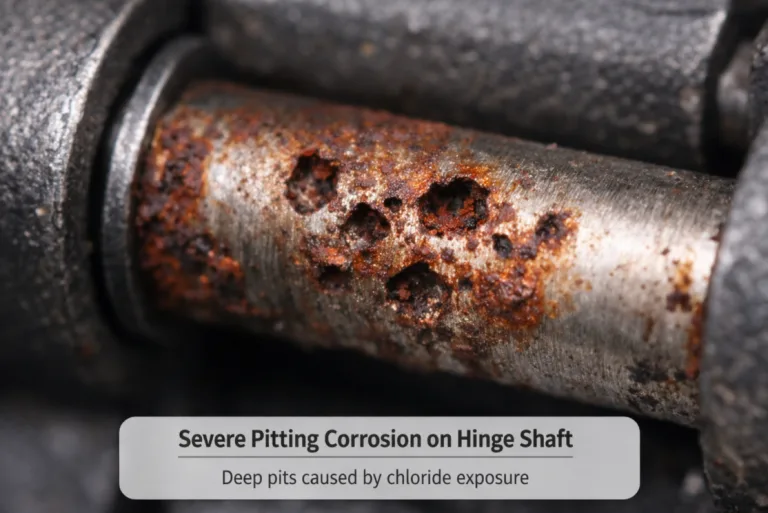
Torque Hinge Selection for Medical Devices: 3 Failure Cases & Solutions
Proper torque hinge selection is a critical yet often overlooked step in designing reliable medical and laboratory equipment. Whether for a centrifuge lid or a medical monitor, the right hinge ensures safety…
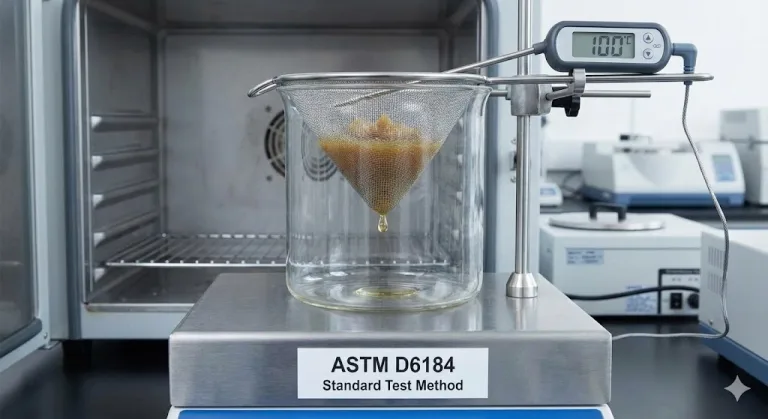
The Torque Decay Crisis: 6 Myths Killing Your Hinge Reliability
In precision mechanical design, there is nothing more frustrating than this scenario: your tolerance calculations are flawless and the prototype passed 20,000 cycles, yet six months after shipping, you are hit with…
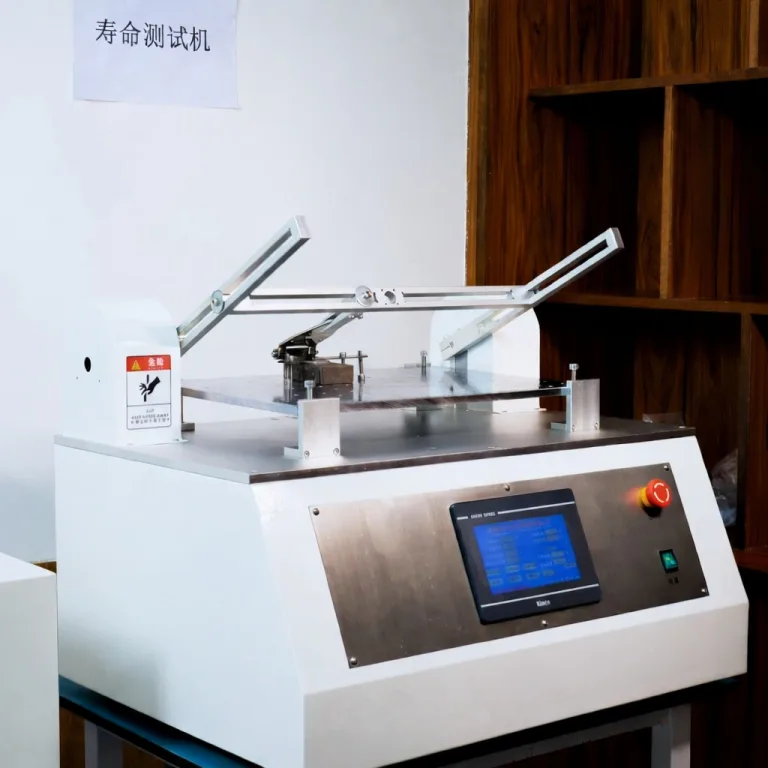
Is It a Quality Issue? Why Torque Hinges Lose Strength and How to Prevent It
For any high-end equipment, the initial ‘feel’ of the lid or screen is a signature of quality. Torque hinges (or friction hinges) are the hidden components responsible for this premium, precise positioning.…
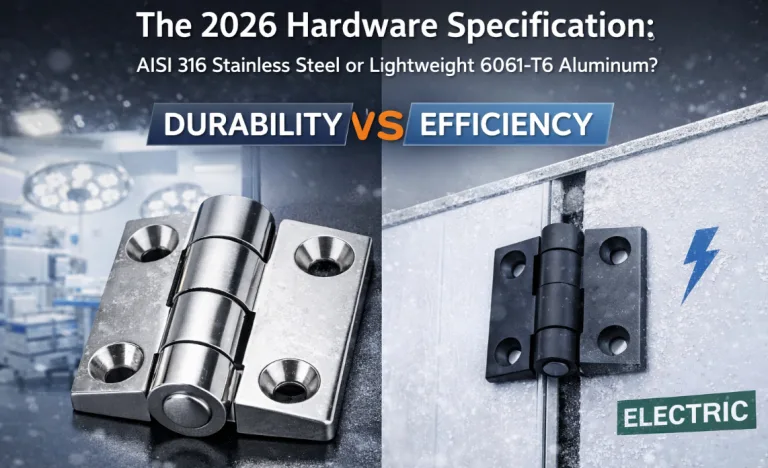
2026 Hinge Guide: Stainless Steel vs. Aluminum for Medical & Cold Chain
For engineers designing medical devices or cold chain transport units, the 2026 hardware specification is defined by a single trade-off: Durability versus Efficiency. According to the Association for Supply Chain Management (ASCM)…
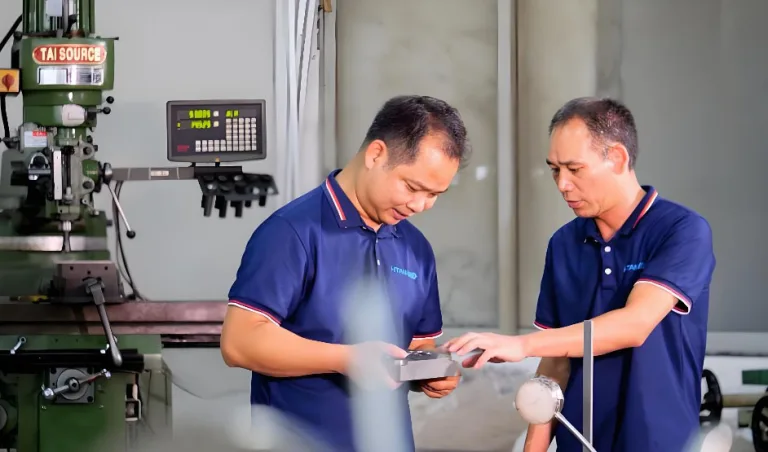
Beyond Golden Samples: 3 Advanced QC Protocols for Custom Hinge Procurement
A simple hinge failure in a medical device or EV charger can lead to disastrous recalls, yet many companies still rely on ‘Golden Samples’ to approve suppliers. This approach is flawed because…
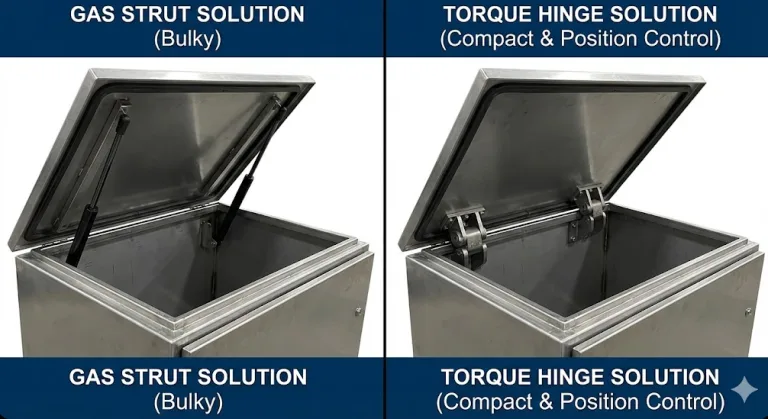
Heavy-Duty Torque Hinge Selection Guide (10-20kg): The No-Math Lookup Table
When an industrial access panel reaches the 10kg to 20kg (22-44 lbs) weight class, it ceases to be a simple structural component; it becomes the core of the Human-Machine Interface (HMI) experience.…
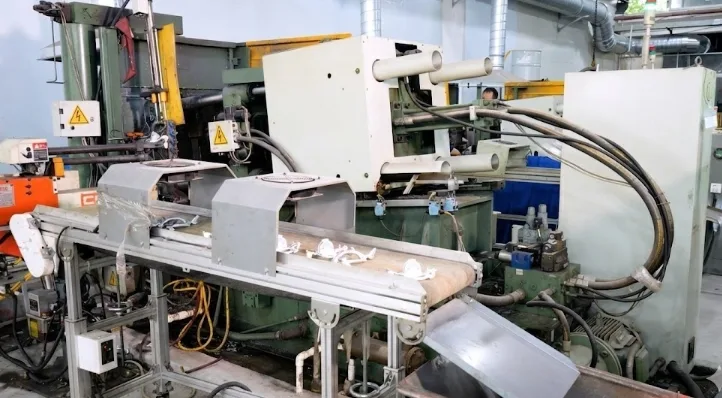
The Custom Torque Hinge Roadmap: 5 Key Milestones from Sketch to Mass Production
Defining a mechanical component solely by its torque rating is a primary cause of project failure in precision equipment development. A simple request for a “2.0 Nm hinge” ignores critical variables such…
 English
  한국어
한국어  Русский
  Español
  Italiano
  Deutsch
  Français
  Português