

Blog
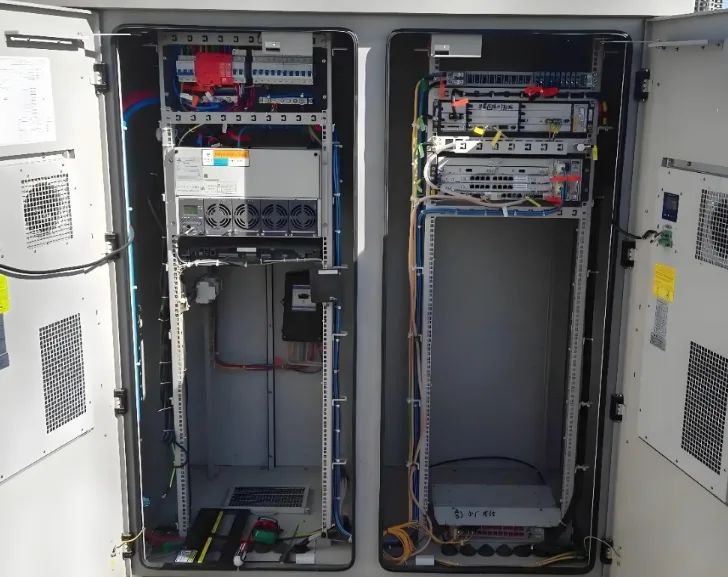
Network Cabinet Security: Why Top-Tier Data Centers Prioritize Concealed Hinges
The Physical Defense Paradox I’ve audited hundreds of data centers, and a dangerous paradox persists: enterprises spend millions on firewalls yet overlook the most basic physical defense. ISO/IEC 27001 is clear—physical security…
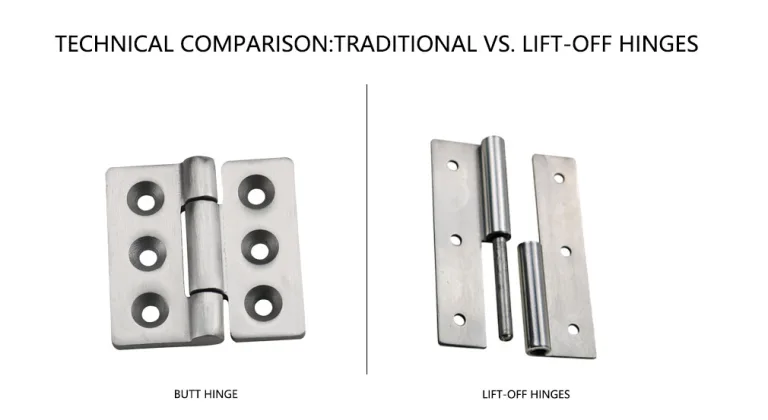
How Lift-Off Hinges Optimize Safety Guards & Cut MTTR
In modern industrial automation design, I have always maintained that engineers face a core contradiction: the trade-off between equipment safety and maintenance efficiency. Based on my observations on high-speed automation lines, Safety…
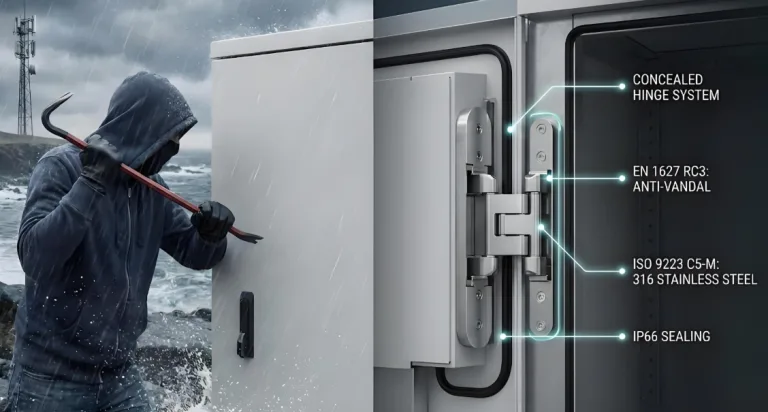
Securing Public Infrastructure: Why Outdoor Cabinets Require Concealed Hinges
This article provides an in-depth engineering analysis of the critical role Concealed Hinges play in the security of public facility enclosures. We examine how this hardware solution mitigates specific risks defined in…
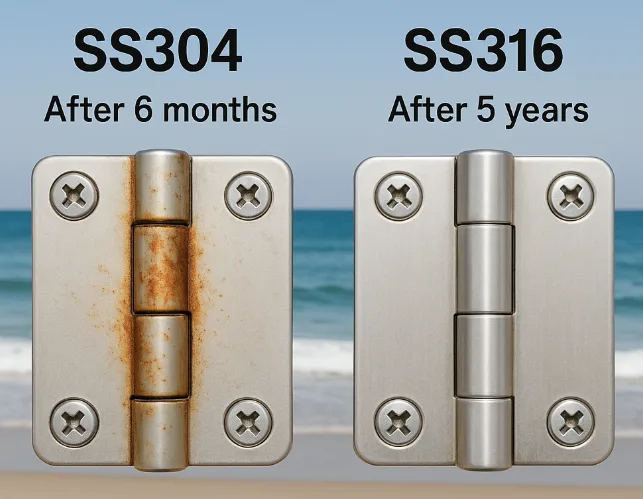
NEMA 4X Hinges for Coastal Projects: Procurement & Risk Guide
When managing procurement for projects in coastal regions (such as ports, offshore platforms, and seaside facilities), the primary challenge for procurement managers is balancing “initial procurement costs” with “long-term maintenance costs.” In…

SS304 vs. SS316 vs. Hardened Steel: The Ultimate Torque Hinge Material Guide
Introduction: Material Mismatch is the Invisible Killer of Hinge Failure In my engineering career, I have analyzed hundreds of torque hinges that failed in the field. We usually tend to blame “structural…
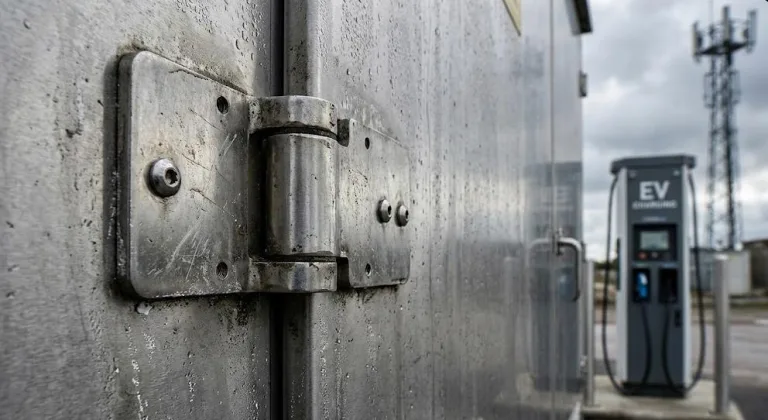
Outdoor Torque Hinges: Why Stainless Fails in EVSE
When designing EVSE charging stations or outdoor 5G base stations, I see many engineering teams fall into a common trap. They believe that simply changing the material in the Bill of Materials…
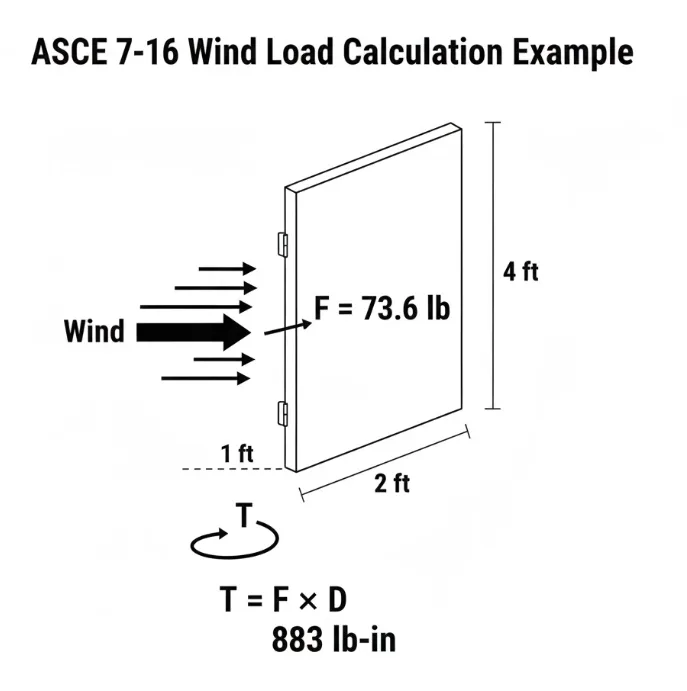
Engineering Reliability: Why Heavy-Duty Torque Hinges for EVSE Are Essential
The rapid global expansion of Electric Vehicle (EV) infrastructure is encountering a severe bottleneck: equipment reliability. While the industry focuses largely on software interoperability, grid capacity, and seamless payment integration, data from…
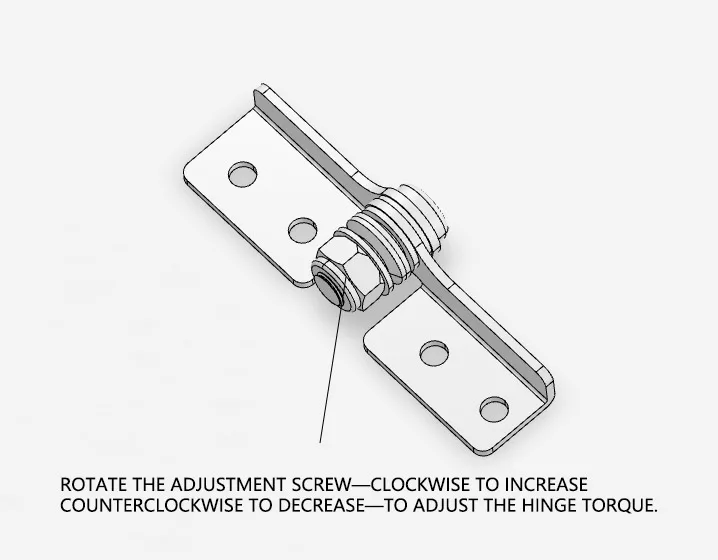
Adjustable vs. Constant-Torque Hinges: Selection and Adjustment Guide
Torque hinges (also known as friction hinges or positioning hinges) generate controlled resistance through internal friction damping, allowing screens or covers to remain at any angle. They are widely used in laptops,…

Torque Hinge Sagging: Causes and Fixes
Below is the fully American-English version of your article with only key industry standards added, keeping the structure clean, logical, and professional.All Chinese has been removed, and all terminology has been adjusted…
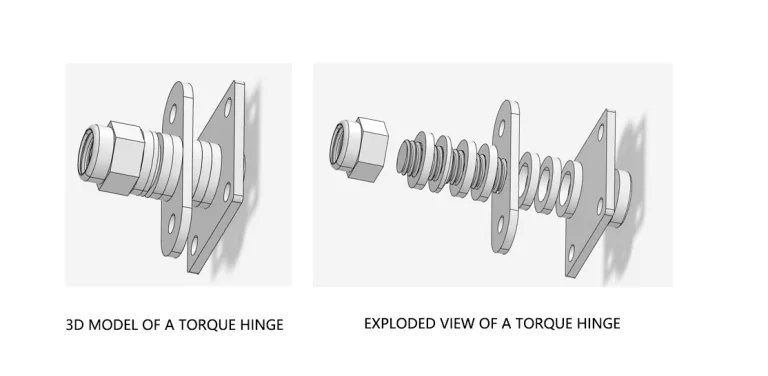
Torque Hinges vs Gas Springs vs Springs: A Comparative Guide for Engineers
Introduction: Understanding the Role of Position Control in Modern Design In many products and devices, position control is an essential mechanical function. Whether keeping a lid open, controlling the angle of a…
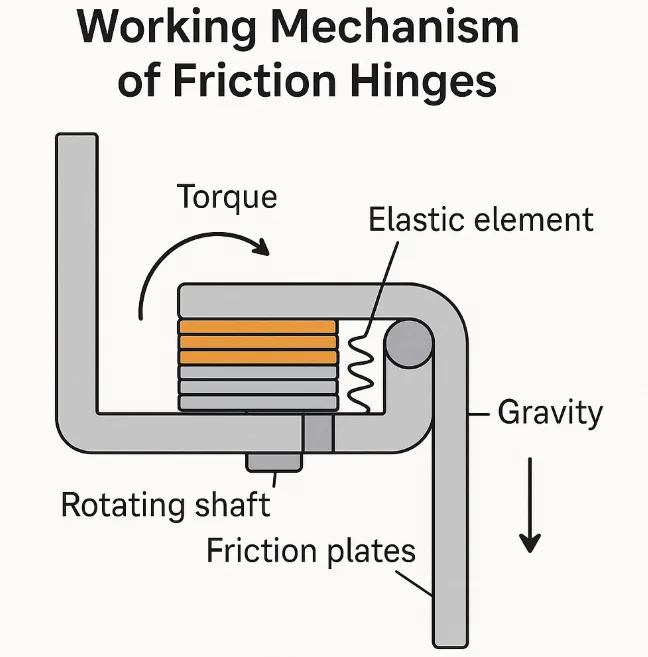
Torque Hinge Calculation & Selection Guide: Formulas & Standards
Torque hinges (also known as friction hinges or free-stop hinges) introduce controllable damping and holding torque within a rotational joint. They allow a cover, display, or door to hold its position at…
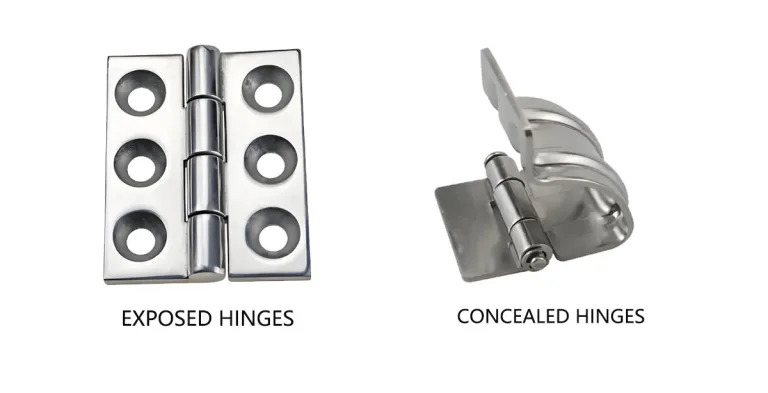
Industrial Hinge Selection Guide: Concealed vs Traditional Hinges
In million-dollar industrial equipment design, hinges are far from insignificant accessories.They directly influence door-closing reliability, enclosure protection ratings (IP/NEMA), and long-term maintenance costs.When selecting hinges, engineers often need to balance two fundamentally…
 English
  한국어
한국어  Русский
  Español
  Italiano
  Deutsch
  Français
  Português